

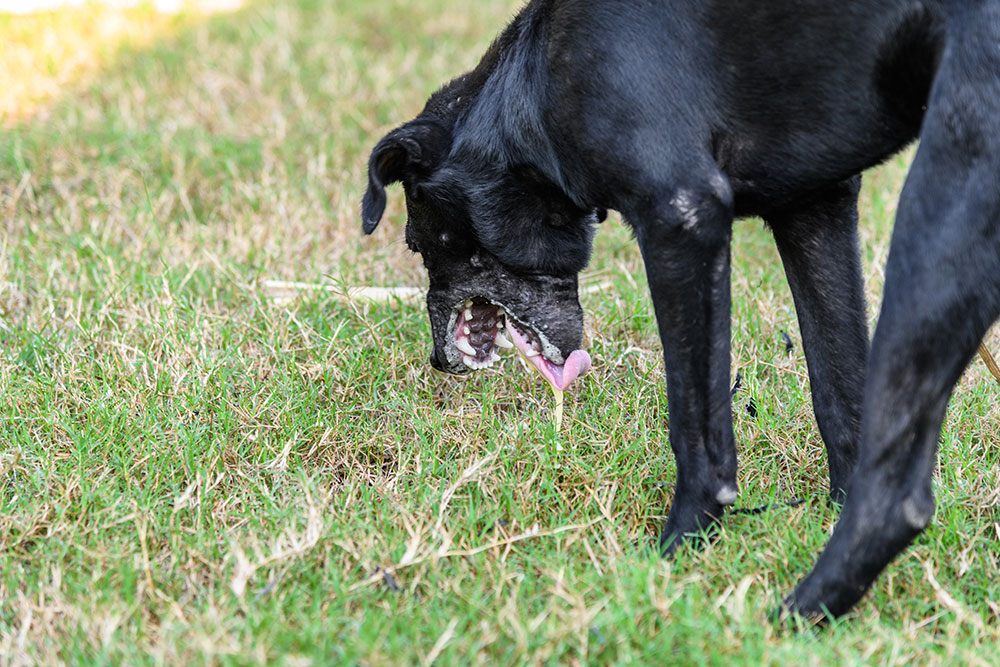
A dog who vomits once after a fatty meal is probably fine. Your dog who vomits repeatedly, hunches over their abdomen, refuses food, and looks genuinely miserable may have pancreatitis, and the difference between those two presentations matters. Pancreatitis, an inflammation of the pancreas, ranges from mild and self-limiting to severe and life-threatening. Cats present differently than dogs, often with more subtle signs, and the condition is frequently triggered by things you might not immediately connect to pancreatic inflammation.
Peak Pet Urgent Care in Reno sees pancreatitis presentations across the severity spectrum, and recognizing the signs that call for same-day evaluation is part of what we help you with every day. Our urgent care services handle cases that can’t wait for a scheduled appointment, and our diagnostics help us assess disease severity quickly so treatment can begin without delay. Contact us or come in directly when your pet seems painful and unwell. Pancreatitis responds well to early, appropriate care.
Important Points
- Pancreatitis is inflammation of the pancreas that can range from mild and self-limiting to severe and life-threatening; the digestive enzymes that should activate in the intestine instead activate inside the pancreas and start digesting the surrounding tissue.
- Dogs typically present obviously sick with vomiting, abdominal pain, and food refusal; cats are dramatically more subtle, often showing only lethargy, hiding, and decreased appetite, which is why the threshold for evaluating a cat is genuinely lower.
- Common triggers include fatty table scraps and sudden diet changes (especially after holidays), breed predisposition (Miniature Schnauzers, Yorkies, Cocker Spaniels), excess weight, and underlying conditions like diabetes and Cushing’s disease.
- Same-day evaluation is appropriate for any pet with persistent vomiting, complete food refusal, visible abdominal pain, pronounced lethargy, signs of dehydration, or a history of pancreatitis with returning symptoms.
What Is Pancreatitis and Why Can It Turn Serious?
The pancreas is a small organ tucked between the stomach and the first part of the small intestine. It produces digestive enzymes that break down food in the intestines and produces insulin and other hormones that regulate blood sugar. When the pancreas becomes inflamed, those digestive enzymes activate prematurely while still inside the pancreas itself, and they begin digesting the surrounding tissue. The result is the pain, vomiting, and systemic illness we recognize as pancreatitis.
There are two main forms:
- Acute pancreatitis comes on suddenly and can range from mild to severe. Most dogs presenting to urgent care with pancreatitis fall into this category.
- Chronic pancreatitis is a longer-term, lower-grade inflammation that may flare periodically. Repeated episodes can lead to permanent damage including diabetes (when insulin-producing cells are destroyed) and exocrine pancreatic insufficiency (when enzyme-producing cells fail).
Cats and dogs both develop pancreatitis, but the presentations differ significantly. Dogs typically show more obvious illness: vomiting, abdominal pain, refusal to eat. Cats are often much quieter, presenting with little more than lethargy, hiding, and decreased appetite. Feline pancreatitis frequently goes undiagnosed because the signs are so subtle. Without treatment, pancreatic inflammation can spread to surrounding organs, trigger a systemic inflammatory response, and in severe cases lead to organ failure or complications like diabetic ketoacidosis or DIC.
What Are the Signs of Pancreatitis in Dogs and Cats?
Pancreatitis produces a recognizable cluster of GI and systemic signs that overlap between species, with dogs typically looking obviously ill and cats looking deceptively quiet. Knowing what each species tends to do helps you decide when to act, since the cat who is “just a little off” can be hiding meaningful pancreatic inflammation that has been building for days.
Signs that overlap between species:
- Vomiting or retching
- Sudden refusal to eat
- Abdominal pain
- Diarrhea
- Fever
- A general sense that your pet is just not themselves
How Dogs Typically Present
Dogs with pancreatitis usually look genuinely sick. The classic presentation includes:
- Repeated vomiting (often multiple times per hour in severe cases)
- Significant abdominal pain often visible as hunching, restlessness, or the “prayer position” with chest down and rear elevated
- Complete refusal of food
- Lethargy and weakness
- Dehydration developing rapidly
- Sometimes diarrhea (occasionally with blood)
- Low-grade fever in some cases
The signs of pancreatitis are usually obvious enough that you know something is seriously wrong. The challenge is distinguishing pancreatitis from other acute GI conditions like foreign body obstruction, gastritis, or intestinal infection, all of which can look similar from the outside.
How Cats Typically Present
Cats are infuriatingly subtle with pancreatitis. The signs may include nothing more than:
- Lethargy or hiding
- Decreased appetite (sometimes complete refusal, sometimes just eating less than usual)
- Mild vomiting (often less frequent than in dogs)
- Weight loss over time with chronic cases
- Reduced grooming
- Just seeming “off” from their normal routine
Notice what’s missing: dramatic vomiting, obvious pain behavior, fever. Cats with serious pancreatitis often look only mildly ill until the disease has advanced significantly. This is why any meaningful change in your cat’s normal routine, particularly decreased appetite for more than a day or two, deserves prompt evaluation rather than waiting to see what happens. The threshold for bringing your cat in is genuinely lower than for dogs because of how subtly they present illness.
When Is Pancreatitis an Emergency?
Pancreatitis becomes a same-day call when symptoms are severe enough that home monitoring is no longer reasonable, or when the picture suggests the inflammation is spreading beyond the pancreas itself. Mild cases can sometimes be managed on an outpatient basis with anti-nausea medications, pain control, and dietary modification, but several presentations need urgent evaluation rather than another night of watching.
Signs that warrant immediate evaluation:
- Persistent or worsening vomiting
- Complete refusal of food and water
- Visible signs of pain (hunching, vocalizing, restlessness)
- Pronounced lethargy or weakness
- Signs of dehydration
- Distended or rigid abdomen
- Pale or yellowed gums
- A history of pancreatitis with returning symptoms
Untreated severe pancreatitis can lead to complications including:
- Severe dehydration with hypovolemic shock
- Secondary bacterial infections
- Systemic inflammatory response affecting multiple organs
- Hepatic lipidosis in cats from prolonged poor food intake
- Permanent pancreatic damage leading to diabetes or pancreatic insufficiency
- In worst cases, death
Signs of dehydration include sunken eyes, dry or tacky gums, skin that doesn’t snap back when gently lifted between the shoulder blades, decreased urine output, and lethargy.
If you’re unsure whether your pet’s symptoms warrant urgent care, calling and describing what you’re seeing is always reasonable. Our what to expect page outlines what happens when you walk in.
What Triggers Pancreatitis in Dogs and Cats?
Pancreatitis often involves multiple factors interacting rather than a single clear cause. Understanding the most common triggers helps with both prevention and identifying contributing factors when an episode happens.
Rich Foods and Sudden Diet Changes
Fatty table scraps, rich meals, and sudden diet changes are the most common triggers, particularly in dogs. Veterinary clinics see predictable surges in pancreatitis cases after holidays and gatherings: Thanksgiving leftovers, Christmas ham trimmings, Fourth of July barbecue scraps. The combination of high fat content and unfamiliar foods overwhelms the pancreas in some pets.
Practical prevention tips for events:
- Feed your pet their normal meal beforehand so they’re less interested in scavenging
- Brief all guests on a no-table-scraps policy
- Use a baby gate to keep pets out of the kitchen during food prep
- Secure trash with a lidded or locked container
- Pick up plates and food immediately after meals
- Keep food and dessert tables accessible to humans only
Breed Predisposition
Any dog or cat can develop pancreatitis, but some breeds carry higher genetic predisposition. Miniature Schnauzers are particularly notorious because of their tendency toward high blood triglyceride levels (hyperlipidemia), which directly increases pancreatitis risk. Other higher-risk breeds include Yorkshire Terriers, Cocker Spaniels, Cavalier King Charles Spaniels, Shetland Sheepdogs, and Toy Poodles. For breed-predisposed dogs, proactive dietary management is particularly worthwhile.
Excess Weight and Underlying Health Conditions
Excess body weight increases inflammation throughout the body and significantly raises pancreatitis risk. Pet obesity prevention is one of the most impactful things you can do for long-term health, and choosing the right food for your specific pet shapes the day-to-day picture.
Several underlying conditions elevate pancreatitis risk:
- Diabetes is closely linked with pancreatitis (and the relationship goes both ways)
- Cushing’s disease affects metabolic regulation
- Hypothyroidism in dogs can be associated with elevated triglycerides
- Inflammatory bowel disease in cats frequently overlaps with pancreatic inflammation as part of triaditis
Certain medications can trigger pancreatitis as a side effect, including some chemotherapy drugs, certain seizure medications, and corticosteroids in some cases. Pet-proofing tips help reduce exposure to household toxins and inappropriate foods, and the Pet Poison Helpline provides 24/7 expert guidance when accidental exposure happens.
What Does a Pancreatitis Workup Look Like?
A pancreatitis workup combines a thorough exam, pancreas-specific bloodwork, and abdominal imaging to confirm the diagnosis, assess severity, and rule out the conditions that mimic it. The process usually moves quickly once your pet arrives, because the earlier treatment begins, the less ground the inflammation has to cover before it starts resolving.
The diagnostic sequence:
- Triage and stabilization: assessing how sick your pet is, starting IV fluids if needed, providing pain control
- History and physical exam: discussing recent events (diet, exposures, prior episodes), abdominal palpation, hydration assessment
- Blood work: including pancreas-specific markers (cPL for dogs, fPL for cats) that confirm pancreatic inflammation, complete blood count, and chemistry panel
- Abdominal ultrasound: visualizes the pancreas directly, assesses severity, identifies involvement of surrounding organs, and rules out conditions that mimic pancreatitis (foreign bodies, masses, gallbladder issues)
- Additional testing like blood gas analysis, coagulation panels, or abdominal fluid analysis may be added when needed
Imaging matters because many conditions produce similar bloodwork patterns. Your pet with elevated pancreatic enzymes and a normal-appearing pancreas on ultrasound may have a different problem entirely. The combination of clinical signs, lab values, and imaging gives the clearest picture of severity and helps shape treatment intensity.
For our urgent care setting, in-house diagnostics let us reach a working diagnosis efficiently and start treatment without delay.
How Is Pancreatitis Treated as an Emergency?
Treatment focuses on resting the pancreas, supporting the body while inflammation resolves, and preventing the complications that turn moderate pancreatitis into a critical case. Most pets with moderate to severe disease need a period of in-clinic care with IV fluids, pain control, and anti-nausea medication; the inflammation usually starts settling within the first 24 to 48 hours of appropriate support.
The key components of treatment:
- IV fluid therapy to replace losses and maintain organ perfusion
- Anti-nausea medications (maropitant and ondansetron control vomiting effectively in most cases)
- Multimodal pain management often including opioids
- Antacid therapy with famotidine, omeprazole, or sucralfate
- Antibiotic therapy when secondary bacterial infection is suspected (not routinely needed)
- Careful nutritional reintroduction with low-fat highly digestible meals as tolerance returns
Most pets begin to improve within the first 24 to 48 hours of treatment. Mild cases may go home within a day with oral medications and a strict diet plan. Moderate to severe cases typically require 2 to 5 days of hospitalization.
For pets requiring extended hospitalization or ongoing critical care, we coordinate transfer to a 24-hour facility seamlessly. Our role at Peak Pet Urgent Care is bridging the gap between routine care and emergency hospitalization.
Why Is Nutrition Critical During Recovery?
Old veterinary teaching held that pancreatitis patients should be fasted for several days to “rest” the pancreas. Current evidence suggests that earlier nutritional reintroduction (often within 24 to 48 hours) actually improves outcomes by maintaining gut health and reducing systemic inflammation. The new approach: small, low-fat, highly digestible meals introduced as soon as vomiting is controlled, gradually increasing as tolerance improves.
For cats, this is especially urgent. Cats who stop eating for more than a few days are at significant risk of hepatic lipidosis, a potentially fatal liver condition where fat accumulates in the liver during periods of low food intake. When your cat’s appetite doesn’t return on its own, options include:
- Appetite stimulants like mirtazapine
- Hand-feeding small amounts of palatable food
- Esophageal feeding tube placement in more advanced cases
Feeding tube resources help families learn to manage tube feeding at home, if you need to go home with one.
What Is Triaditis in Cats?
Triaditis is concurrent inflammation of the pancreas, liver, and intestines in cats, and it is a uniquely feline phenomenon driven by the close anatomic connection between these three organs. Because the pancreatic duct, bile duct, and small intestine all join very close together in cats, inflammation in any one of these organs tends to spread to the others, and treating just one component often isn’t enough.
Triaditis refers to concurrent inflammation of the pancreas, liver (cholangitis), and intestines (inflammatory bowel disease). Diagnosis requires a comprehensive workup including:
- Bloodwork looking at pancreatic enzymes, liver values, and inflammatory markers
- Abdominal ultrasound assessing all three organ systems
- Endoscopy or biopsy sometimes to confirm intestinal involvement
Treatment addresses all three organs simultaneously, often combining:
- Anti-nausea and pain medications
- Nutritional support (often through a feeding tube initially)
- Corticosteroids or other immunosuppressives for the inflammatory bowel component
- Antibiotics if there’s evidence of bacterial cholangitis
- Diet modification with a hydrolyzed or novel protein diet
- Long-term monitoring through serial bloodwork and ultrasound
Triaditis can be slow to resolve and often requires ongoing management with the regular veterinary team. We coordinate with referring DVMs and the family veterinarian to support continuity of care for these complex cases.
How Do You Care for Your Pet at Home and Prevent Future Episodes?
Once your pet has had pancreatitis, prevention becomes ongoing work. The good news is that most prevention strategies are simple and sustainable.
Preventing Recurrence
Consistent dietary management is the single most impactful prevention strategy:
- Feed a veterinarian-recommended low-fat, highly digestible diet at every meal
- Measure portions consistently to maintain healthy weight
- Keep treats simple, low-fat, and limited in quantity
- Avoid all table scraps and human food (even small amounts)
- Maintain consistent mealtimes
- Brief the entire household and any pet sitters on the dietary plan
Weight management matters enormously. Overweight pets have higher baseline inflammation and are more prone to pancreatic flares. For pets with chronic pancreatitis or repeated episodes, ongoing monitoring with periodic recheck bloodwork helps catch early changes before they become full episodes.
What to Watch for After Discharge
The first two weeks after a pancreatitis episode are the most important monitoring window. Track:
- Daily appetite (is your pet eating their meals consistently?)
- Water intake
- Energy level (returning to baseline activity?)
- Stool quality
- Any abdominal discomfort behaviors like hunching, restlessness, or vocalizing
Call us right away if vomiting returns, appetite drops again, pain behavior reappears, or your pet seems to be regressing rather than improving. Early intervention on a recurring episode often catches it before it becomes severe.
Follow through on any scheduled recheck bloodwork or ultrasound to confirm pancreatic enzyme values are returning toward normal and inflammation is resolving. Sometimes pancreatitis takes longer to fully resolve than the visible symptoms suggest, and serial monitoring catches lingering issues.
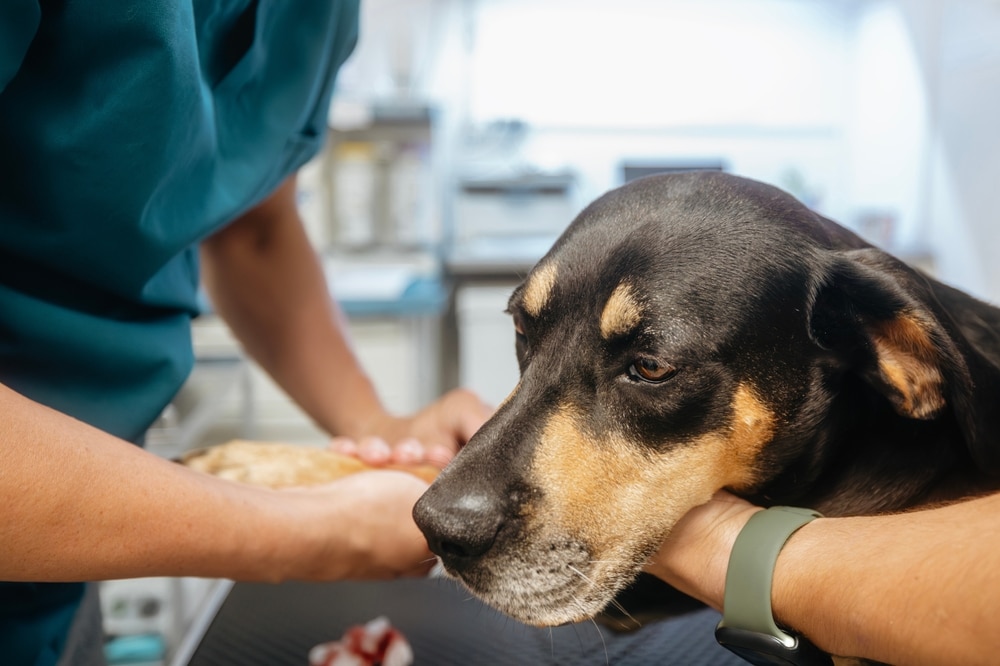
Frequently Asked Questions About Pancreatitis in Pets
Can my pet have pancreatitis without vomiting?
Yes, particularly in cats. Cats often present with little more than lethargy and decreased appetite. In dogs, vomiting is more common but not universal. Any combination of decreased appetite, abdominal discomfort, and unusual quietness warrants evaluation, vomiting or not.
How long does recovery take?
Mild cases typically resolve within a week with proper treatment. Moderate cases may take 2 to 4 weeks for full recovery. Severe cases can take longer, and some pets develop chronic pancreatitis with periodic flares for life. Long-term dietary management makes a substantial difference in recurrence rates.
Can pancreatitis come back?
Yes. Pets who’ve had one episode are at increased risk for future episodes, especially without dietary modification. Strict adherence to a low-fat diet and avoidance of table scraps significantly reduces recurrence rates. Some breeds are prone to repeated episodes regardless of management.
Will my pet need a special diet for life?
Often yes. Pets who’ve had pancreatitis usually do best on a long-term low-fat, highly digestible diet. The dietary commitment dramatically reduces the risk of repeat episodes.
Getting Timely Care for Pancreatitis
Pancreatitis is frightening when it happens, but the great majority of cases respond well to prompt, appropriate treatment. Outcomes are consistently better when families recognize that something is wrong and act on it without waiting to see if things improve overnight. Trust your instincts. If your pet seems painful, isn’t eating, or just isn’t themselves, that’s reason enough to be seen. Our team at Peak Pet Urgent Care is here for those moments when something feels off and your regular vet isn’t available right now. Walk in or contact us, and we’ll work through what’s happening and what comes next.




Leave A Comment