


Pets are curious by nature. They sniff, lick, chew, and taste their way through the world, and that sense of adventure does not come with a built-in filter for what is safe. Every year, veterinary clinics across the country treat thousands of pets for accidental poisonings, many of which involve everyday items sitting in plain sight at home. So how do you know which common household items are actually dangerous for your pet? The answer covers more ground than most owners expect, from the food in your pantry to the plants on your windowsill to the cleaning supplies under the sink. The good news is that most accidental poisonings are preventable, and when exposures do happen, acting quickly can make all the difference. The team at Peak Pet Urgent Care provides same-day triage and stabilization for suspected poisonings, so if your pet gets into something they should not have, contact us right away.
Why Does Every Minute Matter in a Pet Poisoning?
When it comes to toxic exposures, time is one of the most important factors in determining the outcome. Some substances, like xylitol (a sugar substitute found in gum, candy, peanut butter, and baked goods), can cause a dangerous drop in blood sugar within 15 to 30 minutes of ingestion in dogs. Others, like certain mushrooms, may not show symptoms for hours while organ damage is already underway.
Several factors influence how serious an exposure becomes:
- The substance itself and its level of toxicity
- The amount ingested relative to your pet’s body weight
- Your pet’s species, since dogs and cats metabolize substances differently
- How quickly treatment begins
Professional guidance matters because accurate dosing calculations and decontamination decisions require veterinary expertise. Inducing vomiting, for example, can be lifesaving in some situations and dangerous in others. Peak Pet Urgent Care triages suspected toxin cases with immediate phone assessment, and the team can begin stabilization with in-house diagnostics and IV fluid support as soon as your pet arrives at urgent care.
Which Foods Are Most Dangerous for Pets?
The kitchen is one of the most common sources of pet poisoning, and several foods that are perfectly safe for people can cause serious harm to dogs and cats. Here are the ones that veterinarians see most often:
- Chocolate contains theobromine and caffeine, both of which are toxic to pets. Dark chocolate and baking chocolate carry the highest risk, but even milk chocolate can be dangerous in large amounts. Chocolate toxicity is especially common around holidays when candy is left within reach.
- Grapes and raisins can cause acute kidney failure in dogs. There is no established safe dose, and some dogs react severely to even a small amount.
- Xylitol is found in sugar-free gum, mints, some peanut butters, toothpaste, and baked goods. In dogs, it triggers a rapid insulin release that can lead to dangerously low blood sugar, seizures, and liver failure.
- Onions and garlic damage red blood cells in both dogs and cats, with cats being especially sensitive. Cooked, raw, and powdered forms are all harmful.
- Macadamia nuts cause weakness, vomiting, tremors, and elevated body temperature in dogs, often within 12 hours of ingestion.
- Alcohol in any form, including unbaked bread dough (which ferments in the stomach), can cause vomiting, disorientation, difficulty breathing, and in severe cases, coma.
Many of these potentially dangerous items are easy to overlook in a busy household. If you are unsure whether something your pet ate qualifies as a pet emergency, do not wait to find out. Seeking urgent care early gives your pet the best chance at a full recovery.
What Household Hazards Are Hiding Beyond the Kitchen?
Food is just the beginning. Homes are full of non-food items that pose serious risks to pets, and many of them are seasonal or easy to miss.
Which Common Plants Are Toxic to Pets?
Plants are one of the most overlooked household dangers, and some of the most popular varieties are among the most toxic.
Indoor plants to watch for:
- Lilies are the single biggest plant-related threat to cats. True lilies, including Easter, tiger, and Asiatic varieties, are extremely toxic. Even a small nibble on a leaf or a sip of vase water can cause kidney failure. Lily toxicity in cats is a genuine emergency that requires immediate veterinary treatment.
- Sago palms are dangerous for both dogs and cats. Every part of the plant is poisonous, but the seeds carry the highest concentration of toxin. Sago palm toxicity can cause severe liver damage and can be fatal even with treatment.
- Pothos and philodendron contain calcium oxalate crystals that cause intense oral pain, drooling, and swelling of the mouth and tongue.
- Dieffenbachia produces similar irritation and can make swallowing difficult.
Outdoor plants to be aware of:
- Azaleas and rhododendrons contain grayanotoxins that affect the heart and can cause vomiting, weakness, and cardiac abnormalities.
- Oleander is highly toxic in every part of the plant and can cause fatal heart rhythm changes.
- Autumn crocus causes severe gastrointestinal distress and can lead to organ damage days after ingestion.
- Tulip and daffodil bulbs are the most toxic part of these plants, and dogs that like to dig are at particular risk.
A note about bouquets: Premade floral arrangements often combine pet-safe flowers with toxic ones, and they rarely come with ingredient labels. Any bouquet containing lilies is a serious concern in a home with cats. Vase water is an often-missed hazard as well, since flower food packets and plant compounds leach into the water over time.
Before bringing new plants into your home, check a comprehensive list of toxic and non-toxic plants to be sure they are safe. Pet-friendly alternatives like spider plants, Boston ferns, and African violets let you enjoy greenery without the risk.
Are Wild Mushrooms in Your Yard Dangerous to Pets?
Wild mushrooms pop up quickly after rain, and here in Reno, shifting weather in spring and fall can bring them into yards and parks with little warning. The problem is that identifying toxic species is extremely difficult, even for experienced foragers. Dogs are at the highest risk because they tend to investigate with their mouths first.
Mushroom toxicity in pets falls into several categories:
- Gastrointestinal toxins cause vomiting, diarrhea, and abdominal pain within a few hours
- Hepatotoxic mushrooms, including Amanita species, are the most dangerous. Symptoms may not appear for 6 to 24 hours, by which time significant liver damage may already be underway
- Neurotoxic mushrooms can cause tremors, seizures, and disorientation
- Nephrotoxic varieties lead to delayed kidney failure
The gap between ingestion and symptoms is what makes mushroom poisoning especially dangerous. A dog that seems fine after eating a mushroom may already be in trouble.
Prevention tips:
- Walk your yard regularly and remove mushrooms after rain, pulling them at the base rather than mowing over them
- Keep dogs leashed in wooded areas or unfamiliar parks
- If ingestion is suspected, collect as much of the mushroom as possible and photograph the stem, cap, and gills
Online communities focused on mushroom and plant identification can be a helpful resource for concerned pet owners. Following their posting guidelines will get you the fastest and most accurate identification help. Treat any mushroom ingestion as an emergency and contact Peak Pet Urgent Care immediately.
Can Backyard Grapevines Poison Your Dog?
Grapes and raisins bridge the gap between food dangers and plant dangers, especially for pet owners with backyard grapevines. Dogs may sample grapes directly off the vine, and even a small amount can trigger acute kidney failure. Research has identified the toxic component in grapes and raisins as tartaric acid, though why some dogs react severely while others show no symptoms from the same amount remains unclear. Because of this unpredictability, every grape or raisin exposure should be treated as an emergency. Call Peak Pet right away at (775) 484-8400.
How Dangerous Are Rodenticides and Insect Baits to Pets?
Rodent poisons and insect baits are designed to be attractive, which makes them just as appealing to pets as they are to pests. Rodenticide safety is a major concern because many of these products cause delayed symptoms. Anticoagulant rodenticides, for example, may not produce visible signs of internal bleeding for three to five days after ingestion.
Other rodenticide types work through different mechanisms, including neurotoxins that cause seizures and compounds that lead to dangerous calcium buildup in the body. Labels that say “pet safe” can be misleading if the bait is placed where pets can access it.
Safer pest control strategies include using tamper-resistant bait stations placed in areas pets cannot reach, choosing snap traps over poison, and keeping your veterinarian informed about any pest control products used in or around your home.
What About Recreational Drugs and Edibles?
Pets can be exposed to recreational and illicit substances more easily than many owners realize. Cannabis edibles, vape oils, and discarded materials left within reach are common sources of exposure. Marijuana safety is an increasing concern as cannabis products become more widely available, and edibles are particularly risky because they often contain both THC and additional toxic ingredients like chocolate or xylitol.
Signs of exposure can include disorientation, dilated pupils, drooling, vomiting, tremors, and changes in heart rate. Toxicities from illicit and abused drugs, including opioids and stimulants, present with more severe neurologic and cardiac symptoms.
If your pet has been exposed, being honest with the veterinary team about what your pet may have ingested allows for faster, more targeted treatment. Your care team is focused on helping your pet, not passing judgment.
Are Human Medications Safe for Pets?
Human medications are one of the top causes of pet poisoning, and it does not take much to cause serious harm. High-risk categories include:
- Pain relievers like ibuprofen and acetaminophen (Tylenol is especially dangerous for cats, even in small doses)
- ADHD medications containing amphetamines, which can cause rapid heart rate, tremors, and seizures
- Blood pressure medications, which may cause dangerous drops in blood pressure or heart rate in pets
Childproof caps are not pet-proof. A determined dog can chew through a plastic bottle in seconds. Store all medications in a closed cabinet, and never give your pet any human medication without direct guidance from your veterinarian.
Can Household Chemicals and Garage Products Harm Your Pet?
Antifreeze (ethylene glycol) is one of the most dangerous household chemicals for pets. It has a sweet taste that attracts animals, and even a small amount can cause rapid, fatal kidney failure without immediate treatment.
Common cleaners, solvents, and detergent pods also pose risks, particularly if a pet walks through a spill and then grooms their paws. Fertilizers containing bone meal, blood meal, or cocoa-based products can be toxic if eaten. Cats are especially vulnerable to certain insecticides, including pyrethrins and permethrin-based flea products designed for dogs.
Store chemicals on high shelves or in locked cabinets, clean up spills immediately, and read labels carefully before using any product around your pets.
What Should You Do First If Your Pet Is Poisoned?
If you suspect your pet has been exposed to something toxic, stay calm and act quickly.
- Remove your pet from the source. Move them away from the substance and prevent further ingestion.
- Do not induce vomiting unless specifically instructed by a veterinarian. Some substances cause more damage coming back up.
- Collect information. Note what your pet ate, how much, and when. Bring packaging, a photo, or a sample if possible.
- Call for help immediately. Reach Peak Pet Urgent Care at (775) 484-8400, the Pet Poison Helpline at 855-764-7661, or ASPCA Poison Control at 888-426-4435. A consultation fee may apply for poison hotlines.
- Head to the clinic. Call on your way so the team can prepare for your arrival.
How Can You Pet-Proof Your Home Room by Room?
Prevention is the most effective form of treatment. A quick walk-through of your home can eliminate risks before they become emergencies.
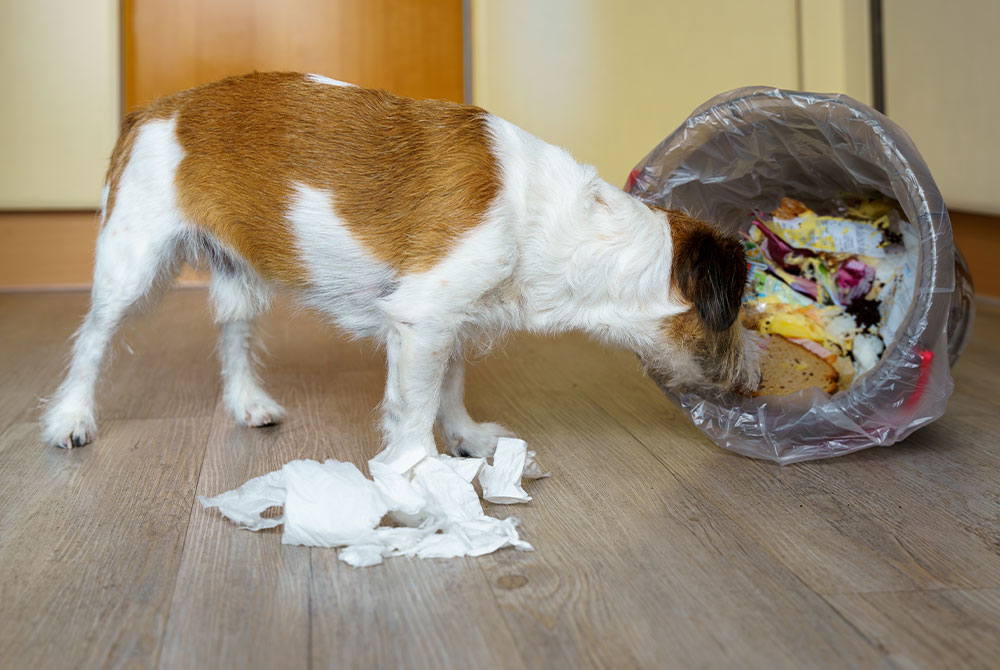
- Kitchen: Store chocolate, grapes, onions, and xylitol-containing products in closed cabinets. Keep trash cans secured with a lid or behind a door.
- Bathroom: Move all medications, supplements, and personal care products to a high cabinet or locked drawer.
- Living areas: Choose pet-safe houseplants, keep candles and essential oil diffusers out of reach, and pick up small items that could be chewed or swallowed.
- Garage and laundry room: Store antifreeze, cleaners, pesticides, and detergent pods on high shelves. Wipe up any spills immediately.
- Yard and garden: Remove wild mushrooms after rain, fence off grapevines, and choose pet-safe plants for garden beds.
Pet-proofing your home does not have to happen all at once. Start with one room and work your way through, and revisit seasonally to account for holiday decorations, visiting guests, and new products.
Frequently Asked Questions About Pet Poisoning
How quickly do poisoning symptoms appear? It depends on the substance. Some toxins cause symptoms within minutes, while others, like anticoagulant rodenticides and certain mushrooms, may not produce visible signs for hours or even days. When in doubt, do not wait for symptoms to appear before seeking help.
Are all sugar-free products dangerous for pets? Not all, but many sugar-free products contain xylitol, which is extremely toxic to dogs. Always check ingredient labels on gum, candy, peanut butter, and baked goods. Xylitol may also be listed as “birch sugar.”
Should I give my pet activated charcoal at home? Only if a veterinarian specifically instructs you to do so. Activated charcoal can help absorb certain toxins, but it is not appropriate for every situation and can cause aspiration if given incorrectly.
Is hydrogen peroxide safe to use to make my pet vomit? Hydrogen peroxide can be used to induce vomiting in dogs under direct veterinary guidance, but it should never be used in cats and is not safe for every type of ingestion. Always call your veterinarian first.
Prevention and Quick Action Are Your Pet’s Best Protection
Many common household items, from food and plants to medications and cleaning supplies, can be harmful to pets. But with a little awareness and a few simple habits, most accidental poisonings are preventable. Save your emergency numbers where you can find them quickly, do a walk-through of your home to spot potential hazards, and reach out at the first sign of trouble.
Peak Pet Urgent Care is Reno’s locally owned urgent care clinic for the moments that feel too urgent to wait. Whether your pet just got into something they should not have or you want help identifying risks in your home, our team is here to help. Walk in or call us at (775) 484-8400, and if something feels urgent to you, it is urgent to us. Reach out today and let us help your pet get back to their peak.



Leave A Comment