

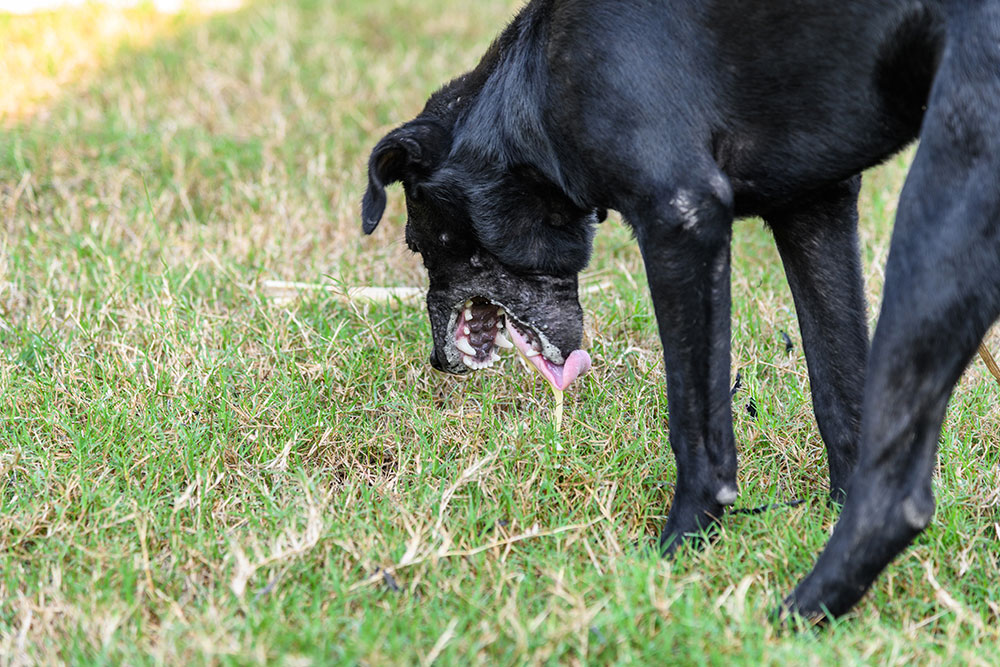
If you have been wiping up vomit more times than you can count lately, you are probably somewhere between exhausted and genuinely worried. A one-time episode after a questionable snack? Probably nothing. But a pattern that keeps repeating week after week, or vomiting that comes back even after you thought it was resolved, is your pet’s way of signaling that something more is going on. Chronic vomiting is not a diagnosis on its own; it is a symptom, and finding the cause means looking carefully at diet, organ health, and GI function together.
At Peak Pet Urgent Care in Reno, we are set up for exactly this kind of investigation. With in-house lab work, digital X-ray, and endoscopy services all available on a walk-in basis seven days a week, we can start building a real picture of what is happening rather than just treating symptoms and hoping for the best. Check in online or stop by when your pet’s stomach issues have gone on long enough.
When Does Vomiting Signal Something Serious?
Not every vomiting episode is cause for alarm. Hairballs are a fact of life for many cats, and the occasional grass-eating episode in dogs is pretty much a rite of spring. But there is a meaningful difference between that and vomiting that keeps happening, keeps coming back, or starts coming along with other symptoms.
Signs that warrant a prompt visit to us include:
- Unexplained weight loss, even with a normal or increased appetite
- Hairballs more than once a month
- Low energy or lethargy
- Changes in thirst or urination patterns
- Concurrent diarrhea
- Blood in the vomit, whether bright red or dark and coffee-ground-like
- Abdominal pain or sensitivity to touch
These signs can point to broader health concerns, and senior pet health issues in particular can escalate faster than they do in younger animals. If you are unsure whether the situation is urgent, our walk-in model means you can come in and let us help you figure that out rather than watching and wondering at home.
What Could Be Causing the Vomiting?
Could Food Be the Problem?
Food is often the first place to look, and it can be sneaky. A pet can eat the same food for years and then develop a sensitivity to it seemingly out of nowhere. Food allergies involve an immune system reaction to specific proteins, while food intolerances are more of a straightforward digestive complaint, but both can result in chronic vomiting. Dietary indiscretion (think counter-surfing, table scraps, or a trash can that did not quite stay closed) can also irritate the GI tract over time in ways that look a lot like a more serious problem.
When choosing pet food for a pet with GI symptoms, it helps to work with a veterinarian to identify what is actually driving the reaction rather than just switching brands and hoping for improvement.
Could an Organ Be Involved?
Sometimes vomiting is not really a stomach problem at all. Several conditions that affect organs outside the GI tract can cause persistent nausea and vomiting.
Chronic kidney disease is one of the most common culprits, particularly in older cats. As kidney function declines, waste products accumulate in the bloodstream and cause nausea. Gall bladder disease and liver disease both disrupt normal digestion in ways that show up as vomiting. Endocrine conditions are also worth considering: feline hyperthyroidism in older cats commonly causes vomiting alongside weight loss and increased appetite, while pancreatitis can present as chronic, intermittent vomiting that comes and goes without a dramatic flare. Diabetes and Addison’s disease round out the list of systemic conditions that can mimic a straightforward GI problem.
Our in-house lab capabilities mean we can run comprehensive blood panels during your visit to start sorting through these possibilities right away.
Is the GI Tract Itself the Problem?
When the digestive system is the primary issue, the list of potential causes is long but workable.
Inflammatory bowel disease is one of the leading diagnoses in chronically vomiting cats and dogs. It involves ongoing inflammation of the GI lining that disrupts digestion and absorption, often producing a combination of vomiting, weight loss, and diarrhea. GI obstructions from swallowed objects are another common culprit; partial obstructions are particularly tricky because they can cause vomiting that waxes and wanes, making it easy to mistake them for something less urgent. Gastric ulcers from NSAID use or toxin exposure, bilious vomiting syndrome (the classic early-morning yellow bile episode on an empty stomach), pyloric stenosis, and GI lymphoma are all conditions that warrant consideration, particularly in older pets.
What About Toxins?
Pets are curious in ways that do not always serve their best interests. Common household hazards including lilies (especially dangerous for cats), sago palms, azaleas, antifreeze, and rodenticides can all cause vomiting, and many of them damage the kidneys or liver in ways that produce ongoing GI symptoms even after the initial exposure. Toxic plants are among the most common accidental hazards, and intermittent access to the same plant can make the vomiting look chronic rather than event-driven. If you suspect your pet has gotten into something, poison control resources are available, and you can contact us directly for guidance on next steps.
Could It Be How (or How Fast) They Are Eating?
The Scarf-and-Barf Problem
Some pets eat like they are in a competition, and when food goes down that fast, it can come back up looking almost exactly the same as it went in. This is especially common in multi-pet households where there is a sense of food competition, or in pets who came from situations where food was scarce. Solutions include slow-feed bowls, interactive feeders that make mealtime a puzzle rather than a race, feeding smaller more frequent meals, or separating pets at mealtimes to take the competition pressure off.
Stress as a Hidden Trigger
This one surprises a lot of pet owners, but stress and anxiety are legitimate causes of vomiting in both dogs and cats. Construction noise, a new baby, schedule changes, travel, or even household tension can all tip a sensitive pet’s GI system into overdrive. Cats are particularly prone to feline stress-related GI upset, and the signs can be easy to miss if you are not looking for them. If vomiting tends to coincide with specific events or changes in routine, and improves when life settles down, stress may be a piece of the puzzle worth addressing directly.
How Do We Figure Out What’s Going On?
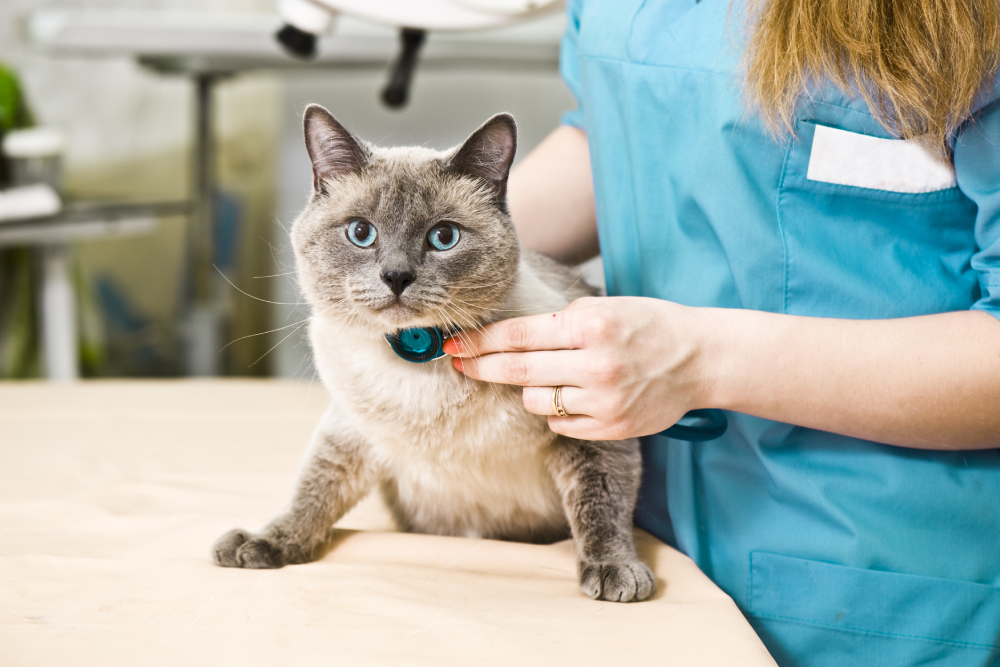
Diagnosis starts with a thorough physical exam and a detailed history. When you vomited, how often, what did it look like, what has changed in the diet lately, any new medications or supplements? These details help us narrow down the list significantly before we even run a test.
From there, baseline diagnostics typically include bloodwork to check organ function, hydration, and signs of infection or anemia; urinalysis for kidney health and signs of infection; and fecal testing to rule out parasites. Imaging gives us another layer of information. Digital X-rays can identify obstructions, gas patterns, and structural abnormalities, while ultrasound lets us look at soft tissue structures in more detail, including intestinal wall thickness, lymph node changes, and organ architecture. We have both digital X-ray and ultrasound available in-house, so that evaluation can happen during your visit rather than requiring a referral elsewhere.
When Is a Diet Trial the Right Next Step?
How Diet Trials Work
If initial diagnostics do not explain the vomiting, a structured elimination diet trial is often the logical next step. This means feeding either a novel protein and carbohydrate your pet has never eaten before, or a hydrolyzed diet where proteins are broken down small enough to avoid triggering an immune response. The most critical part is strict compliance: no treats, no table scraps, no flavored medications, and no food sharing with other pets. Even a small amount of the old food can invalidate the results. For GI symptoms, most trials run three to four weeks but sometimes up to three months. It is also worth noting that over-the-counter limited-ingredient foods are not reliable for diagnostic trials due to potential cross-contamination.
What the Results Tell Us
If vomiting improves during the trial and comes back when the original food is reintroduced, food sensitivity is likely the answer, and the long-term plan is simply maintaining the diet that works. If there is no improvement despite perfect compliance, the investigation shifts to primary GI disease, systemic illness, or structural issues.
When Is a Biopsy Needed?
Endoscopy
When imaging and bloodwork leave questions unanswered, endoscopy allows us to look directly at the esophagus, stomach, and upper small intestine using a flexible camera and collect tissue samples without surgery. It is done under anesthesia with a relatively quick recovery. Our team can discuss whether endoscopy is the right next step.
Exploratory Surgery
Exploratory surgery is recommended when imaging points to something that needs hands-on evaluation, when tissue is needed from areas endoscopy cannot reach, or when full-thickness GI biopsy samples from multiple locations will provide more information than surface samples alone. We have expert surgeons for cases that require abdominal exploratory and typically receive biopsy results back within a few days.
What Biopsies Actually Reveal
Biopsy results distinguish between IBD, lymphoma, other cancers, infections, and different inflammatory patterns in ways that no blood test or imaging alone can. This matters enormously because the treatment for IBD and the treatment for GI lymphoma look very different. Accurate diagnosis enables targeted treatment rather than an educated guess.
What Does Treatment Look Like?
Treatment depends entirely on what is driving the vomiting, which is the whole reason the diagnostic process is worth doing carefully.
Food-responsive vomiting is managed by maintaining the diet that worked during the trial. IBD typically requires a combination of anti-inflammatory or immune-modulating medications, dietary adjustments, and sometimes probiotics, with the exact combination adjusted based on how each individual pet responds. When organ disease is the underlying issue, treatment focuses there: kidney disease management with hydration support, specialized diets, and medications; hyperthyroidism treated with medication or other options; pancreatitis managed with pain relief, anti-nausea care, and dietary changes. Treating the core problem often resolves or significantly improves vomiting on its own. For obstructions requiring immediate intervention, our foreign body retrieval services are available for cases that cannot wait.
How You Can Help During the Process
You are one of our most important diagnostic tools. Keeping a simple symptom diary, including timing, frequency, what the vomit looks like, recent diet changes, and any behavior shifts, gives us real information to work with at every visit. Encouraging your pet to stay hydrated, following medication schedules consistently, and calling us promptly if vomiting increases, your pet stops eating, or seems painful is all genuinely helpful.
If something changes between visits, do not wait to mention it. We are a walk-in clinic open every day, and a return visit to reassess when something shifts is always appropriate.
Frequently Asked Questions About Chronic Vomiting in Pets
How do I know if vomiting is an emergency?
Blood in the vomit, abdominal pain or distension, collapse, inability to keep water down, or extreme lethargy alongside vomiting all warrant immediate attention. When in doubt, come in and let us take a look.
What is the difference between vomiting and regurgitation?
Vomiting involves visible abdominal effort and usually produces partially digested food or bile. Regurgitation is passive, with food coming up without heaving, often looking the same as it went in. The distinction matters because they point to different parts of the digestive process and different conditions.
Can food allergies start suddenly?
Yes. Pets can develop sensitivities to proteins they have eaten for years. It is not unusual for a food that was perfectly fine before to become a problem over time.
How soon will a diet trial show results?
Most pets show meaningful improvement within three to four weeks if food sensitivity is the cause. The key is sticking to the trial diet completely without any exceptions during that window.
Will my pet need a biopsy?
Not every pet will. Many cases are resolved through bloodwork, imaging, and dietary changes. Biopsy becomes the next step when those tools leave important questions unanswered.
There Is an Answer Out There
Chronic vomiting is frustrating, worrying, and honestly just a lot to manage. But there is a path forward. With a thoughtful diagnostic approach and treatments matched to what is actually causing the problem, most pets feel significantly better. We take a methodical, compassionate approach to working through these cases, and we will be honest with you about what the findings mean and what your options are at every step.
When you are ready to stop guessing (and cleaning vomit off your rug), visit us for urgent veterinary care in Reno. We are here for exactly this.




Leave A Comment