

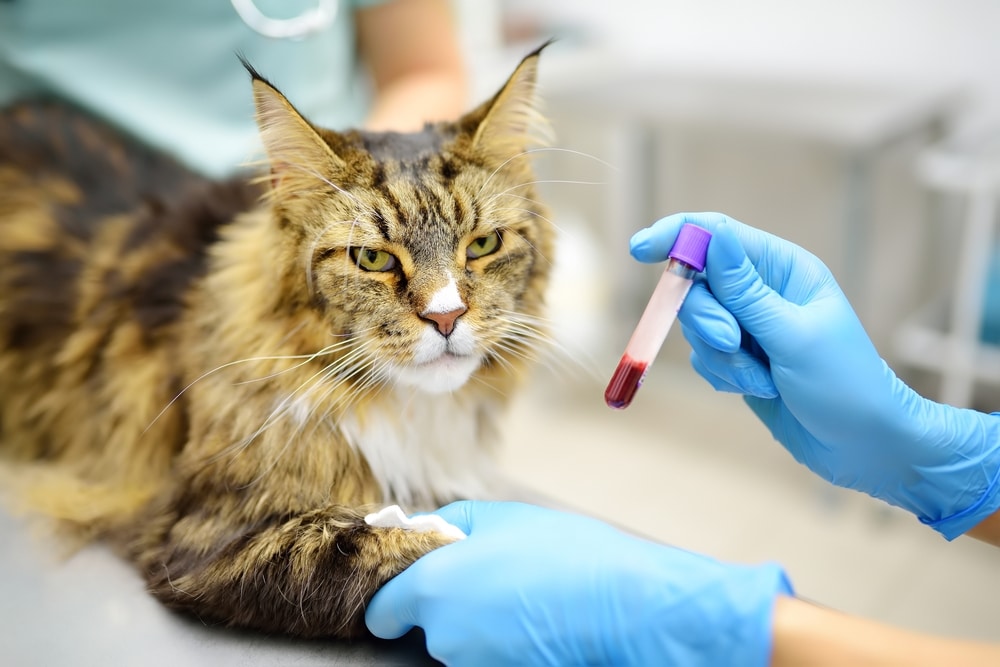
A pet that was fine yesterday and is suddenly weak, breathing fast, or covered in unexplained bruises is one of the most alarming situations a pet owner can face. Auto-immune blood diseases, where the immune system mistakenly destroys the body’s own red blood cells or platelets, are among the conditions that bring pets to urgent care with little warning. These disorders can progress from subtle signs to serious illness within hours, and the difference between a good outcome and a crisis often comes down to how quickly the pet is evaluated.
At Peak Pet Urgent Care, we are designed for exactly these situations: same-day, walk-in evaluation for pets that are sick and need answers now. Our urgent care team can run blood work, assess your pet’s condition, and coordinate with your primary veterinarian or an emergency facility if the situation requires it. We are open seven days a week. If your pet is showing signs of auto-immune blood disease, contact us or walk in for evaluation.
When the Immune System Attacks the Blood
The immune system is designed to protect your pet from genuine threats. Anemia develops when the immune system makes a critical error: it begins destroying its own red blood cells faster than the body can replace them. Without adequate red blood cells to carry oxygen, tissues throughout the body suffer, and the symptoms that result can range from subtle fatigue to acute cardiovascular crisis.
The mechanism varies between cases. Some involve immune complexes depositing in blood vessel walls and triggering inflammation. Others involve cytotoxic antibodies attaching directly to red blood cells and flagging them for destruction. The outcome in either case: a body actively working against itself, often with alarming speed.
Understanding the two most common forms, IMHA and IMTP, helps pet owners recognize when to seek same-day urgent care rather than waiting for a routine appointment.
IMHA: When Red Blood Cells Are the Target
Recognizing the Signs Before They Escalate
Immune-mediated hemolytic anemia (IMHA) occurs when antibodies attach to red blood cells and mark them for destruction. As red cell numbers fall, the body struggles to deliver oxygen to organs and tissues.
Signs of IMHA, from early to serious:
- Unusual tiredness or reluctance to move, exercise, or play
- Faster breathing than normal, even when resting
- Pale or jaundiced gums (yellow coloration means bilirubin from destroyed red cells is accumulating)
- Dark brownish or reddish urine from hemoglobin being filtered by the kidneys
- Loss of appetite, even for foods your pet normally loves
Some breeds carry a higher predisposition to IMHA, including Cocker Spaniels, Irish Setters, and several other breeds. This is worth knowing if you have a breed with known risk and notice early signs.
The Clotting Paradox: A Complication That Can’t Wait
Here is what makes IMHA particularly dangerous: while the body destroys red blood cells, the clotting system simultaneously becomes dysregulated, creating a real risk of dangerous clot formation in the lungs, abdomen, or limbs. Blood clotting complications are among the most serious secondary risks of IMHA and require prompt veterinary management.
Signs of a possible clot requiring immediate emergency care:
- Sudden difficulty breathing or respiratory distress
- A limb that is swollen, cold, or painful compared to the others
- Collapse or sudden severe weakness
For signs at this severity level, please contact a 24-hour emergency facility directly. Peak Pet Urgent Care is designed for sick-but-stable pets; a collapsing pet needs a full emergency facility immediately for intensive care and hospitalization.
For earlier, less acute signs of IMHA, same-day evaluation at Peak Pet is the right call. Contact us or walk in.
IMTP: When Platelets Are Under Attack
Immune-mediated thrombocytopenia (IMTP) occurs when the immune system destroys platelets, the cell fragments responsible for clot formation. Without adequate platelets, bleeding becomes a serious and unpredictable risk.
Signs of IMTP:
- Unexplained bruising on the belly, inner thighs, or gums, with no history of trauma
- Tiny pinpoint red or purple dots on the skin or gums (petechiae), most visible on the belly or inner lip
- Nosebleeds that occur without an obvious trigger
- Blood in the urine or stool
- Minor cuts or wounds that bleed for longer than expected
IMTP is particularly concerning because internal bleeding can occur without any visible external sign. A pet who appears to have a few bruises may be hemorrhaging internally.
Evans Syndrome: Both Problems at Once
Some pets develop concurrent immune-mediated conditions, meaning simultaneous immune destruction of both red blood cells and platelets. This combination is known as Evans syndrome and requires treatment that addresses both components together. Managing one without accounting for the other can worsen the overall picture, which is why rapid, comprehensive blood work is the essential first step. Our team at Peak Pet can run a full CBC on-site to identify both problems in a single visit.
Tick-Borne Diseases as a Hidden Trigger
In northern Nevada and the broader western region, tick exposure is a year-round reality rather than a seasonal one. This matters directly for auto-immune blood disease because tick-borne infections can directly trigger or convincingly mimic IMHA and IMTP.
Tick-borne diseases that affect blood:
- Lyme disease: can trigger immune reactions affecting blood and joint health
- Rocky Mountain spotted fever: causes serious blood vessel and platelet damage that can look identical to primary IMTP
- Ehrlichia and Anaplasma: both target white blood cells and platelets; without a tick panel, ehrlichiosis is clinically indistinguishable from primary IMTP
- IMHA secondary to Babesia: Babesia parasites invade red blood cells and simultaneously trigger immune-mediated destruction
Testing for tick-borne disease is a standard part of the auto-immune blood disorder workup at Peak Pet. Treating what looks like a primary auto-immune condition without ruling out infection can lead to incomplete treatment and relapse.
The Diagnostic Workup at Peak Pet Urgent Care
When you walk in with a pet showing signs of a blood disorder, here is what the evaluation typically involves:
- Triage assessment: gum color, heart rate, breathing effort, and overall stability evaluated immediately; sickest pets are seen first
- History: when symptoms started, how rapidly they progressed, any tick exposure, recent medications or dietary changes
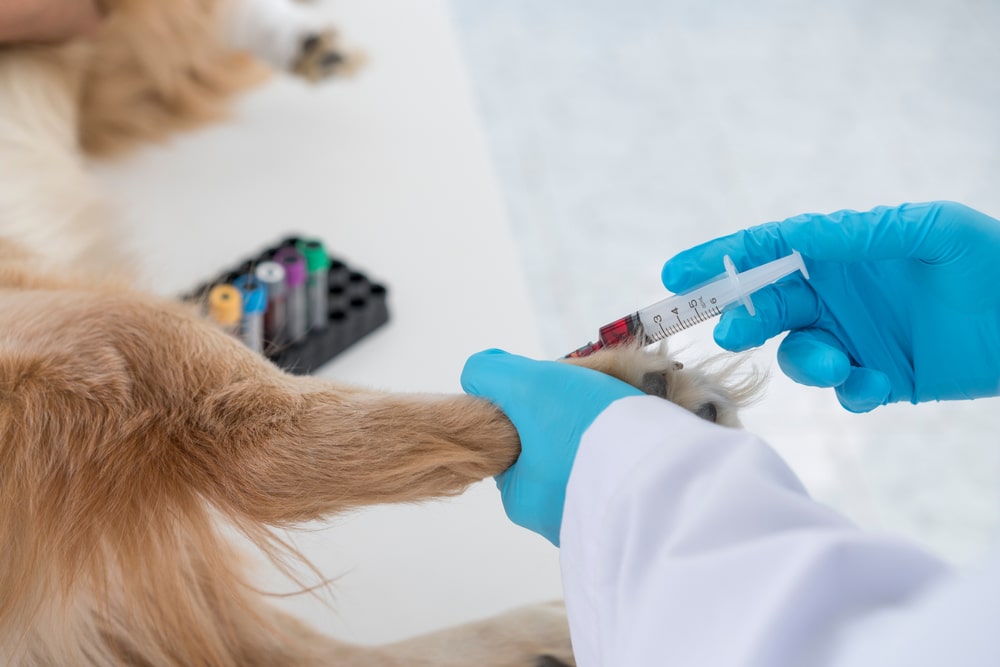
- Complete blood count (CBC) and blood smear: quantifies red blood cells, white blood cells, and platelets; microscopic exam reveals signs of immune-mediated destruction such as red cell clumping (agglutination) or abnormal cell shapes (spherocytes)
- Chemistry panel: kidney and liver function to guide safe medication choices and identify organ involvement
- Tick-borne disease panel: screens for the major vector-borne infections active in our region
- Digital radiography or ultrasound when internal hemorrhage or organ involvement is suspected
Our in-house lab provides results quickly, which is what same-day urgent care actually requires. A discharge summary goes to your primary veterinarian after every visit so your regular vet stays in the loop and can coordinate follow-up care.
How These Conditions Are Treated
Treatment has two goals: stopping the immune attack and supporting the pet’s body while blood counts recover.
Treatment approaches by situation:
- Immunosuppression: Corticosteroids (typically prednisolone) are the cornerstone of treatment, slowing or stopping the immune destruction. Additional immunosuppressants are added when the initial response is insufficient.
- Anti-clotting medications: For IMHA patients at high risk for thrombosis based on blood work findings.
- Antimicrobials: When a tick-borne organism is identified as the trigger, targeted treatment addresses the infection driving the immune response.
- Supportive care: IV fluids, oxygen support if breathing is labored, and stomach protectants for steroid-related GI effects.
- Blood transfusions: Sometimes needed for severely anemic patients to bridge the critical period while treatment takes effect.
For stable patients who can be managed on an outpatient basis, Peak Pet can initiate treatment and coordinate follow-up with your primary vet. For pets who need hospitalization or around-the-clock monitoring, we will arrange transfer to an appropriate emergency facility and communicate everything we have found.
Tick Prevention Reduces Blood Disorder Risk
Consistent, prescription-grade tick prevention is directly protective against the tick-borne infections that trigger secondary blood disorders. In northern Nevada where tick activity is year-round, gaps in prevention create real exposure windows.
Tick prevention through veterinarian-recommended products is significantly more reliable than over-the-counter options, particularly in regions with established tick populations. Talk to your primary vet about the right prevention protocol for your pet’s lifestyle.
Warning Signs That Mean Walk In Today
Do not wait for a scheduled appointment if your pet is showing any of these signs:
- Sudden weakness, stumbling, unsteadiness, or collapse
- Pale, white, or yellowish gums
- Unexplained bruising or pinpoint spots on skin or gums
- Rapid or labored breathing at rest
- Dark, discolored, or blood-tinged urine
- Significant lethargy that keeps a pet from rising or responding normally
For a sick-but-stable pet with concerning signs like pale gums, fatigue, bruising, or abnormal urine, walk in to Peak Pet for same-day evaluation.
Frequently Asked Questions
What is the difference between anemia and thrombocytopenia?
Anemia is a low red blood cell count that impairs oxygen delivery, causing fatigue, pale gums, and labored breathing. Thrombocytopenia is a low platelet count that impairs clotting, causing bruising, bleeding, and petechiae. Both are serious and require same-day evaluation. Some pets develop both simultaneously (Evans syndrome).
When should I go to urgent care versus the emergency vet?
If your pet is collapsing, cannot breathe, or is uncontrollably bleeding, go directly to an emergency hospital. For a pet who is sick and declining but still stable, walk-in urgent care at Peak Pet is the right fit. If you’re not sure, give us a call. We’re here to help.
Can these conditions be managed at home once started on treatment?
Many patients are stable enough for outpatient management with close monitoring and regular rechecks. Others require hospitalization. We will assess your pet’s stability and coordinate the right level of ongoing care.
Do these conditions come back?
Relapses occur in some patients, which is why long-term monitoring through your primary vet is important even after a pet appears to have recovered fully.
Getting Your Pet Evaluated When It Matters
Auto-immune blood diseases can move from subtle to serious in hours. Peak Pet Urgent Care exists precisely for the situations where your regular vet is unavailable and a true emergency hospital feels like more than you need: same-day, walk-in care from a team that takes your concerns seriously and acts quickly.
We are open Friday through Monday from 9am to 9pm, and Tuesday through Thursday from 11am to 9pm, in Reno’s Double R corridor. Walk in or contact us at (775) 484-8400 to let us know you are coming.





Leave A Comment