

Difficulty Breathing in Pets: Causes and When to Seek Urgent Care
Breathing problems in pets can range from mild and manageable to life-threatening, and the difference is not always obvious at first glance. A dog that snores loudly may just have a flat face, or they may be developing a serious airway obstruction. A dog who is sneezing may have allergies, or a grass awn lodged in a nostril. A cat that breathes with an open mouth is almost always in distress, but causes range from heart disease to anaphylaxis to asthma. Knowing what to look for and when to act can make the difference between a routine visit and a medical emergency.
At Peak Pet Urgent Care, breathing difficulties are one of the most common reasons pets come through our doors, and we are equipped to assess and stabilize respiratory patients quickly. Our urgent care services include the diagnostics and treatments needed to evaluate airway problems, start oxygen support, and determine next steps. If your pet is breathing faster than normal, making unusual sounds, or seems to be working harder to breathe, do not wait. Call us at (775) 484-8400 or walk in for a same-day evaluation in Reno.
What Do Different Breathing Sounds in Pets Mean?
Different breathing sounds give different clinical clues. Recognizing them helps you describe what you are observing when you call or come in, and helps us narrow the cause before imaging even begins.
When Coughing Becomes Concerning
An occasional cough to clear the throat is normal. Coughing that is frequent, worsening, or changing in character is something else.
A dry, honking cough is the hallmark of kennel cough (contagious tracheobronchitis) or a collapsed trachea, which causes a distinctive honk especially triggered by excitement, collar pressure, or heat. Neither are an emergency unless paired with other symptoms like lethargy or blue-tinged gums.
A wet, gurgly cough points toward fluid in the airways from pneumonia, aspiration, or heart disease. Signs of heart disease in dogs often include a cough that worsens when lying down or after exertion.
Any cough that is new, persistent beyond 48 to 72 hours, accompanied by reduced energy, or noticeably worsening warrants evaluation. This falls squarely within what urgent care covers at Peak Pet.
Sneezing and Nasal Discharge
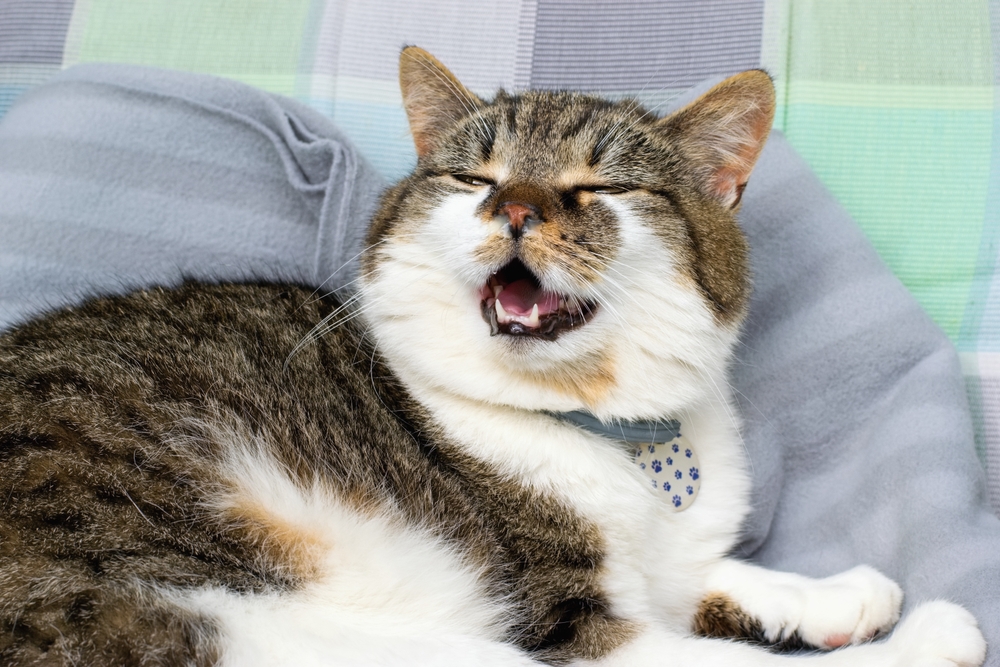
Repeated sneezing with discharge, particularly if one-sided or blood-tinged, suggests nasal inflammation, infection, or a foreign body. Feline upper respiratory infection is among the most common causes of sneezing and discharge in cats. In the Reno area, outdoor exposure to dry grasses and foxtails can result in plant material lodging in the nasal passage, causing violent, persistent sneezing with bloody discharge. Any pet you suspect may have inhaled a foreign body should be seen promptly. Sneezing and nosebleeds can also be a sign of nasal tumors or fungal disease; whatever the cause, prompt evaluation is needed.
Wheezing and Rapid Breathing
Wheezing is a high-pitched whistling sound produced by narrowed airways. In cats, it is the classic presentation of feline asthma, a condition of airway inflammation and bronchoconstriction that can cause a pet to crouch with their neck extended while breathing hard.
Anaphylaxis produces sudden, severe breathing difficulty as throat tissues swell. For both a severe asthma attack and anaphylaxis, you might see your pet breathing rapidly and struggling to take in a breath. Both cases need prompt treatment.
Snoring, Snorting, and Stridor
Laryngeal paralysis produces a raspy, “stridorous” sound particularly on inhalation, most commonly in older large-breed dogs. These are urgent presentations that need to be seen immediately.
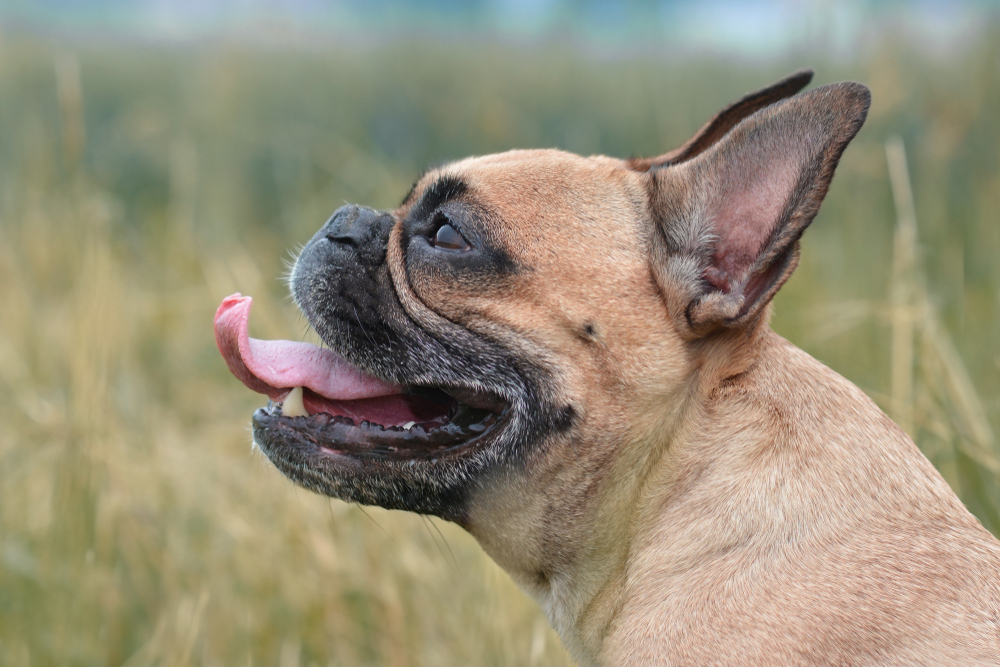
Brachycephalic breeds including Bulldogs, Pugs, Boston Terriers, Shih Tzus, and Persian cats produce characteristic snoring and snorting that reflects the anatomical restriction of their compressed airways, called brachycephalic obstructive airway syndrome. These sounds are not cosmetic: they indicate real work of breathing that worsens with heat, excitement, and age.
Snoring sounds can also occur in cats with nasopharyngeal polyps, requiring surgical removal to clear their airways.
Reverse Sneezing
Reverse sneezing produces a dramatic snorting or honking episode that looks alarming but is typically harmless in isolated, brief occurrences in otherwise healthy small-breed dogs. Allergies are a common cause. Frequent or prolonged episodes warrant evaluation.
What Does Fast Breathing at Rest Mean?
A resting respiratory rate above 30 breaths per minute, or a significant increase from your pet’s normal baseline, is worth evaluating the same day. Count the chest rising and falling for 30 seconds while your pet is calm or asleep, then multiply by two.
Heart Disease and Fluid in the Lungs
Congestive heart failure produces fluid accumulation in the lungs or around them, making breathing progressively harder with each passing hour. Dogs often develop a cough that worsens at night and reduced exercise tolerance. Cats tend to breathe faster without coughing and hide the effort until it becomes extreme. Pets with a known heart condition who show increased resting respiratory rate should be seen urgently.
Cancer and Chest Masses
Cancer in pets can cause respiratory difficulty by spreading to the lungs, producing pleural effusion (fluid around the lungs), or compressing airways with masses. Chylothorax, a specific type of pleural effusion where lymphatic fluid accumulates, requires drainage and often surgical management.
Thoracic Trauma
Thoracic trauma from vehicle strikes, falls, or animal attacks can produce lung bruising, pneumothorax (air in the chest cavity), or hemothorax (blood around the lungs) that may not be visually obvious on initial assessment. Any pet involved in significant trauma who is breathing abnormally needs immediate evaluation.
Urgent vs. Emergency: Which Does Your Pet Need?
This is one of the most important distinctions for Peak Pet clients to understand. Urgent care fills the gap between your regular veterinarian and a life-threatening emergency, and respiratory problems span that entire range.
| Situation | Where to Go |
| New cough persisting more than 48 hours | Peak Pet Urgent Care |
| Nasal discharge that is worsening, one-sided, or blood-tinged | Peak Pet Urgent Care |
| Increased sneezing or new breathing sounds without acute distress | Peak Pet Urgent Care |
| Brachycephalic dog struggling more than usual in heat | Peak Pet Urgent Care |
| Resting respiratory rate trending upward | Peak Pet Urgent Care |
| Regular vet unavailable; pet not in acute crisis | Peak Pet Urgent Care |
| Labored breathing with visible chest and belly effort | Nearest 24/7 Emergency Facility |
| Open-mouth breathing in a cat | Nearest 24/7 Emergency Facility |
| Cyanosis: Blue, purple, or gray gums | Nearest 24/7 Emergency Facility |
| Sudden respiratory distress that came on rapidly | Nearest 24/7 Emergency Facility |
| Collapse, anaphylaxis, or thoracic trauma | Nearest 24/7 Emergency Facility |
If you are not certain which category applies, call us at (775) 484-8400. We will help you triage over the phone.
Appropriate for Urgent Care at Peak Pet
Same-day urgent care is the right choice for respiratory concerns that need evaluation today but do not yet involve collapse, cyanosis, or severe visible distress. We handle the diagnostic workup, stabilize your pet, and coordinate transfer when a higher level of care is needed.
How Are Breathing Problems Evaluated at Peak Pet?
When a respiratory patient arrives, assessment is immediate. Gum color, breathing effort, and posture are evaluated before paperwork. Oxygen support begins if indicated before history is taken.
Diagnostics
- Physical examination of lung sounds, tracheal palpation, throat and mouth
- Blood panels for infection, organ function, and metabolic contributors
- Heartworm screeningwhen cardiac involvement is suspected
- Chest radiographs to assess lung patterns, heart size, fluid, and masses
- Point-of-care ultrasound to detect pleural fluid and guide immediate drainage when needed
- Rhinoscopy: direct visualization of the nasal passages using a small camera for persistent or unexplained nasal symptoms, foreign body identification, and nasal mass evaluation- available in-house so most cases do not require referral.
How Are Respiratory Problems Treated?
Treatment is matched to the specific diagnosis and the pet’s stability at presentation.
Medications
- Bronchodilators for asthma; inhaled therapy via spacer device for cats
- Diuretics to remove lung fluid in cardiac disease
- Antibiotics or antifungals for respiratory infections
- Corticosteroids for airway inflammation and severe asthma
- Epinephrine for anaphylaxis
Procedures and Surgery
Depending on the cause, surgery needed could range from retrieving a grass awn from a nostril to widening a pet’s nostrils to removing fluid off the chest. We’ll let you know if we’re able to perform the surgery in house, and if not, we’ll refer you to a trusted partner.
What Should You Know About Brachycephalic Dogs in Reno’s Climate?
Flat-faced breeds face particular challenges in Reno’s desert climate. Key protective measures for families with brachycephalic dogs:
- Limit outdoor activity to early morning and evening in summer
- Never leave these dogs in a vehicle under any circumstances
- Keep your pet at a lean body weight
- Learn your dog’s baseline: what their normal breathing looks and sounds like in cool conditions versus warm
- Come in promptly when breathing seems harder than usual, before it becomes a crisis
Surgical correction of airway anatomical components is worth discussing with our team for dogs with moderate to severe BOAS. Earlier surgery in young, healthy dogs produces better outcomes than waiting until breathing difficulty is severe.
Frequently Asked Questions
Can cats really have asthma?
Yes. Feline asthma is common and produces airway inflammation and bronchoconstriction. Affected cats may have episodes of crouching, neck extension, and labored breathing with audible wheezing. Many respond well to inhaled bronchodilators and corticosteroids delivered through a feline-specific spacer device.
Is reverse sneezing dangerous?
Brief, isolated episodes in otherwise healthy small-breed dogs are usually harmless. Frequent, prolonged, or newly developing reverse sneezing should be evaluated, particularly in brachycephalic breeds where it can signal airway obstruction requiring surgical correction.
My older dog started coughing at night. Could it be heart disease?
Nighttime coughing that worsens when lying down, combined with reduced exercise tolerance in an older dog, is a pattern worth investigating for cardiac involvement. A chest X-ray can reveal heart size changes and lung fluid that would confirm or rule out this possibility. This is a same-day evaluation rather than something to wait out.
What is rhinoscopy, and when does my pet need it?
Rhinoscopy uses a small camera inserted into the nasal passage to directly visualize the internal nasal structures. It is used for persistent or one-sided nasal discharge that does not resolve with standard treatment, suspected foreign bodies in the nose, or evaluation of nasal masses.
How do I count resting respiratory rate?
Watch the chest rise and fall while your pet is asleep or deeply relaxed. Count the rises for 30 seconds and multiply by two. A rate consistently above 30 per minute, or one significantly higher than your pet’s usual baseline, is worth a call to us.
When should I come to urgent care rather than waiting for my regular vet?
If your pet’s breathing has changed noticeably in the last 24 to 48 hours, seems to be worsening, or is accompanied by reduced energy or appetite, same-day evaluation at urgent care is appropriate. Do not wait several days for a regular appointment when breathing is the concern.
The Bridge Between Routine and Emergency
Urgent care exists precisely for situations like these: something has changed, it needs to be evaluated today, but it may not yet warrant the cost and resources of a 24-hour emergency facility. Peak Pet Urgent Care is that bridge for Reno-area pet owners, with the diagnostics, surgical capabilities, and clinical experience to handle most respiratory presentations without a separate referral.
If your pet’s breathing has changed, call us at (775) 484-8400, walk in any day of the week, or contact us with questions.





Leave A Comment