

Understanding Anal Sacculectomy: Surgical Removal of Anal Glands
The scooting. The licking. The unmistakable look your dog or cat gives you while dragging themselves across a freshly cleaned carpet. Anal gland problems are one of the more undignified experiences in pet life, and yet they are genuinely common, often uncomfortable, and sometimes more serious than they appear. For most dogs, impacted anal glands resolve with expression and a little supportive care. But when glands become infected, abscessed, or repeatedly problematic despite regular maintenance, the conversation shifts toward whether surgical removal is the right long-term answer. That decision deserves a real clinical opinion, not a wait-and-see approach while a pet is clearly miserable.
Peak Pet Urgent Care in Reno fills the gap between a regular vet visit and a full emergency room, and anal gland issues fall squarely in our wheelhouse. Walk-in visits are welcome, and our surgical services include anal sacculectomy for cases that need more than a quick fix. Contact us or check in online to get your pet seen without the wait.
What Are Anal Glands and Why Do They Cause So Much Trouble?
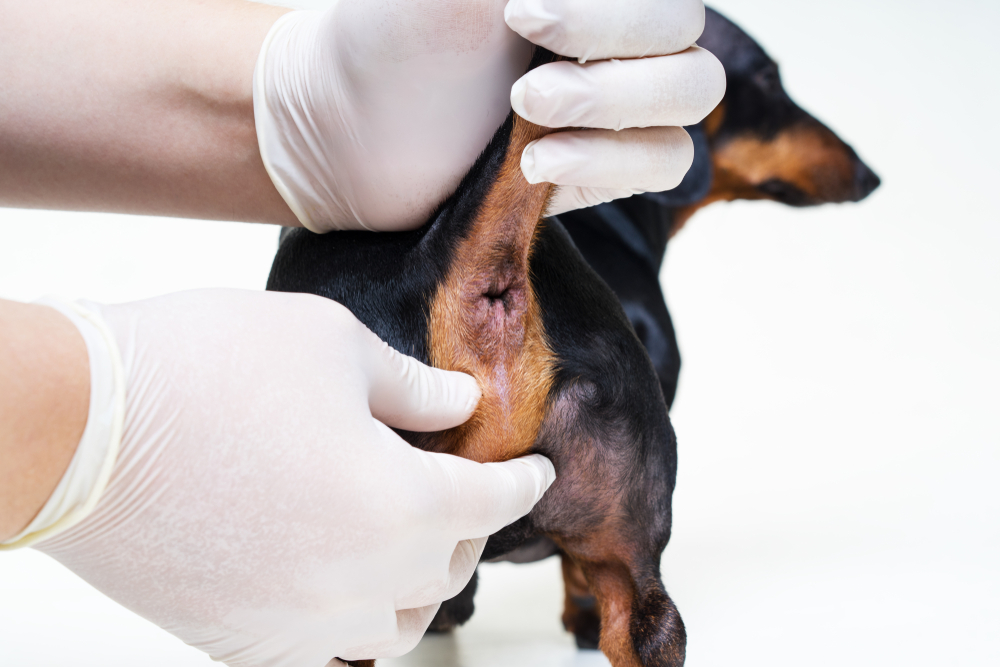
Anal sacs are two small glands located just inside a dog’s or cat’s rectum, one on each side. They produce a pungent, oily secretion used for scent marking and identification. They are small, normally pea- to grape-sized, with a tiny duct leading to small holes on either side of the anus. We get it; it’s gross and not a part of the body that any pet owner wants to have to inspect. Under normal circumstances, you don’t need to. The glands should empty naturally during defecation. Some dogs express them when startled or fearful.
When they don’t empty properly, the fluid thickens, builds up, and causes discomfort. Anal gland problems range from simple impaction, where the gland is full but not infected, to abscess and rupture, which is painful, messy, and requires prompt treatment. Dogs tend to be more expressive about their discomfort, but cats develop anal sac disease too, and they often mask the signs until things have progressed.
Signs that anal glands need attention include:
- Scooting across the floor
- Licking or biting at the tail base or hindquarters
- Visible swelling or redness near the rectum
- A fishy or unusually strong odor
- Reluctance to sit or difficulty getting comfortable
- Straining or pain during defecation
Many dogs with chronic issues benefit from periodic expression of anal glands at grooming or veterinary appointments. For some, this is a manageable routine. For others, it becomes a cycle that never fully resolves, which is where further evaluation matters.
What Can Go Wrong With Anal Glands?
Not all anal gland problems are equal. Understanding what is actually happening helps explain why some cases respond to medical management while others require surgery.
Impaction is the most common issue: the fluid thickens and cannot exit normally. Manual expression clears blocked anal glands , but if it recurs frequently, something is perpetuating the problem.
Infection and abscess occur when bacteria multiply in the stagnant fluid. The gland becomes swollen, painful, and warm. Left untreated, an anal gland abscess can rupture through the skin, creating an open wound that requires more involved treatment.
Chronic inflammation, or anal sacculitis, is often connected to underlying drivers. Dog allergies, both environmental and food-related, cause inflammation throughout the skin and gastrointestinal tract that directly affects anal gland function. Soft or poorly formed stools, which don’t apply enough pressure to empty the glands during defecation, are another common contributor. Certain breeds also tend to be predisposed, including flat-faced breeds, Spaniels, and German Shepherds. Cats are generally less prone to anal gland issues than dogs, but anal sac disease in cats does occur, and it follows a similar pattern of impaction, infection, or abscess when it does.
Anal sac tumors are less common but important to recognize. Apocrine gland adenocarcinoma of the anal sac is a malignant cancer that can be present without obvious external swelling, and it sometimes causes elevated calcium levels detectable on bloodwork. Any firm, asymmetric, or non-resolving anal sac abnormality warrants thorough evaluation.
Improper expression from untrained hands can also contribute to recurring problems. Anal glands are delicate structures. Don’t automatically have your dog’s glands expressed at grooming appointments unless they are having issues. Manual expression, especially if done frequently or with force, can build up scar tissue and make it harder for your dog to naturally express with normal defecation.
Because pets are so good at hiding pain, an anal gland problem can go from “That smells weird” to “Why are you scooting so much?” to “There’s a hole where there shouldn’t be one leaking fluid on my couch” in 24 hours. We’re here for this exact situation, offering urgent care in Reno for your pets when a problem can’t wait.
How Are Anal Gland Problems Diagnosed?
A thorough physical examination includes rectal palpation to assess the size, consistency, and symmetry of both glands. If infection is suspected, the contents may be examined under a microscope, known as a cytology. When a mass is detected or infection does not respond to treatment as expected, biopsy can distinguish infection and inflammation from neoplasia (cancer). Blood work can help point to signs of an infection, or pick up a high calcium level which is sometimes seen with anal gland tumors. A fecal test should be performed to look for intestinal parasites, which can cause a loose stool, contributing to anal gland problems.
Our in-house laboratory allows for same-day results on many tests, which means a treatment plan can be developed during the visit rather than waiting days for answers. Digital X-ray and ultrasound are available for cases where imaging helps clarify what is happening around the glands or in the surrounding tissue.
What Comes Before Sacculectomy: Medical Management Options
When anal glands become impacted or develop an abscess (a painful pocket of infection that can rupture through the skin), expressing them manually is rarely sufficient on its own. For these cases, we typically flush the affected sac to clear out thickened or infected material, then instill medication directly into the gland- usually a combination of antibiotics and anti-inflammatory agents- to treat the infection at the source. Some pets will need sedation or full anesthesia, depending on how painful they are and if the gland has ruptured.
Non-cancerous anal sac disease, which includes impaction, infection, and abscessation, often responds well to this approach, especially when caught early. Depending on the severity, your pet may also need oral antibiotics and pain management to support healing.
When Is Anal Sacculectomy the Right Answer?
Most anal gland problems do not require surgery. But there are specific situations where removal is clearly the better path forward:
- Recurrent infections despite appropriate antibiotic treatment and regular expression, particularly when the same gland keeps failing
- Ruptured abscess with extensive tissue involvement that cannot heal without removing the source
- Confirmed anal sac tumor, where anal sac adenocarcinoma requires surgical removal as part of the treatment plan
- Structural abnormalities in the duct that prevent normal emptying and create a perpetual impaction problem
Anal sacculectomy removes one or both anal sacs entirely, eliminating the source of infection, pain, or tumor burden. The decision to proceed with surgery is made based on the individual pet’s history, examination findings, and diagnostic results. Not every dog with chronic anal gland issues is a surgical candidate, and not every dog needs both glands removed. Our team will walk through the clinical picture with you and help determine what makes the most sense for your pet.
What to Expect With Anal Sacculectomy
The surgery is performed under general anesthesia. The technique involves careful dissection to remove the gland while protecting the nerves responsible for normal sphincter function, which is the most important technical consideration in this procedure. When performed by an experienced surgeon with appropriate technique, the risk of post-operative fecal incontinence is low.
Recovery After Anal Sac Removal
Post-operative care focuses on keeping the surgical site clean, managing pain appropriately, and protecting the area from self-trauma. What to expect and manage during recovery:
- Pain control: Prescription pain medications go home with every surgical patient. Staying on schedule with medications, especially in the first 48 to 72 hours, makes a meaningful difference in comfort.
- Activity restriction: Leash walks only for the first two weeks, no running, jumping, or roughhousing. Keeping activity limited protects the incision while it heals.
- Preventing licking and scooting: An Elizabethan collar is essential. Even a brief licking episode can introduce bacteria or damage sutures.
- Stool quality: Loose stools or straining during defecation put pressure on the healing incision. Dietary adjustments or a short course of stool softener may be recommended depending on the individual pet.
- Incision monitoring: Mild swelling and bruising are expected in the first 24 to 48 hours. Progressive swelling, discharge, opening of the incision, or straining that worsens should prompt a call to us.
Sutures are typically removed at a recheck appointment 10 to 14 days after surgery. We provide a discharge summary to the family veterinarian after every procedure so the primary care team stays informed throughout recovery.
If anything looks concerning between appointments, reach out to us directly. We are open seven days a week and would rather answer a question early than have you wait and wonder.
Preventing Anal Gland Problems Before They Start
For dogs who tend toward anal gland issues, consistent prevention is more effective than reactive treatment. Strategies that reduce frequency and severity:
- Regular expression: Many groomers perform external anal gland expression as part of routine grooming. Veterinary practices can perform an internal anal gland expression, which results in a more fully emptied gland and may be a safer option, especially for pets with chronic issues. It’s also something you can learn to do at home, but typically safer to leave for professionals. We can advise on appropriate timing and technique.
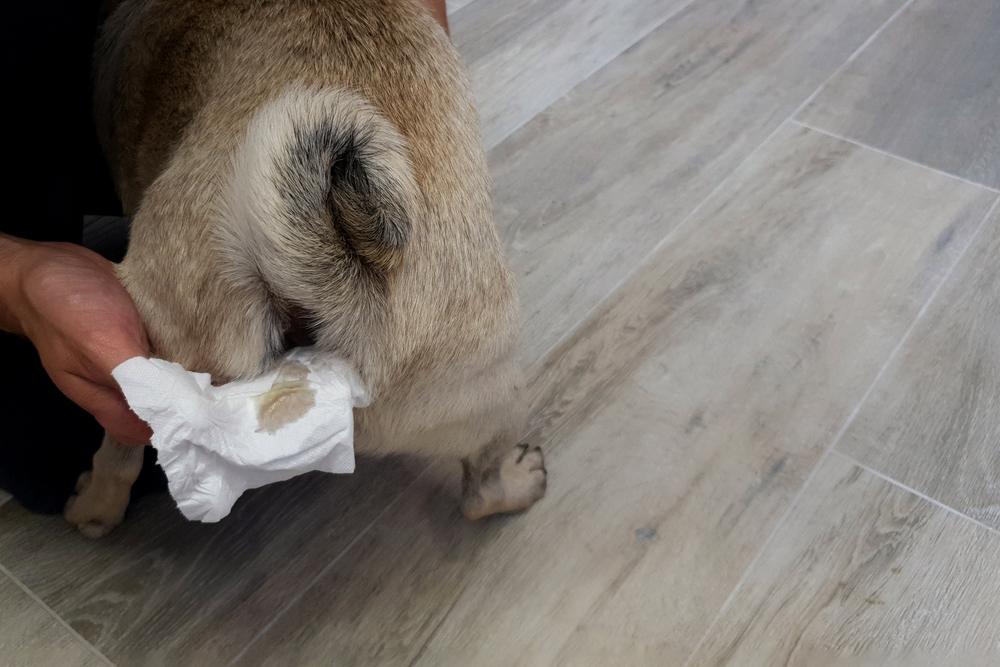
- Keeping the area clean: If your pet scoots frequently, they can push dirt and debris into the ducts of the gland. Frequently licking can also invite infection. Keeping the area clean with antibacterial wipes can help.
- Diet and stool quality: Firm, well-formed stools are the most natural mechanism for emptying anal glands. Choosing pet food with adequate fiber content and high-quality ingredients supports better stool consistency. If a dog has recurrent soft stools or diarrhea, investigating the cause is worthwhile, as this often directly contributes to anal gland problems. Probiotics may also be a useful tool.
- Allergy management: Dogs with skin or food allergies frequently have anal gland issues as part of the broader allergic picture. Addressing the allergy with appropriate diagnostics, like a food trial, and treatment can meaningfully reduce how often the glands need attention.
- Weight management: Overweight dogs tend to have more anal gland problems. Maintaining a healthy body condition supports normal gland emptying and reduces overall inflammatory burden.
- Behavioral monitoring: Catching early signs promptly, specifically new or increased scooting, sudden interest in the tail area, or changes in sitting comfort, allows for treatment before impaction becomes infection.
Frequently Asked Questions About Anal Gland Surgery
Can cats need anal sacculectomy too?
Yes, though it is far less common in cats than in dogs. Anal sac disease in cats typically presents as impaction, infection, or abscess, and cats may show more subtle signs than dogs do- which sometimes means the problem is further along by the time it is noticed. The same treatment principles apply: medical management first, surgery when the problem persists or a tumor is confirmed.
Will my dog lose bowel control after the surgery?
When performed with careful nerve-sparing technique, fecal incontinence is an uncommon complication. It is more likely in cases where significant scarring or tissue damage existed before surgery. We will discuss individual risk factors during the consultation.
How do I know if my dog needs both glands removed or just one?
That decision is based on examination findings. Many dogs have chronic problems with one gland while the other functions normally. The goal is to remove what needs to be removed and preserve function where possible.
My dog gets expressed at every grooming but the problem keeps coming back. Is surgery the next step?
Not necessarily the immediate next step, but it is worth a veterinary evaluation to understand why recurrence keeps happening. Allergy testing, dietary review, and stool assessment may identify a correctable underlying cause. If those interventions do not resolve the issue, surgical consultation is a reasonable next conversation.
Getting Your Pet Back to Comfortable
Chronic anal gland problems are not just inconvenient: they are genuinely uncomfortable for the animals experiencing them. Whether the answer is a dietary adjustment, better allergy management, or surgical removal, the right plan is one that actually breaks the cycle rather than managing symptoms indefinitely.
We are built for exactly this kind of situation: the problem that is important enough to address now, that the family vet might not have immediate availability for, and that deserves a real clinical assessment rather than a wait-and-see approach. Walk in any day of the week for urgent care in Reno. We’re here to help.




Leave A Comment