

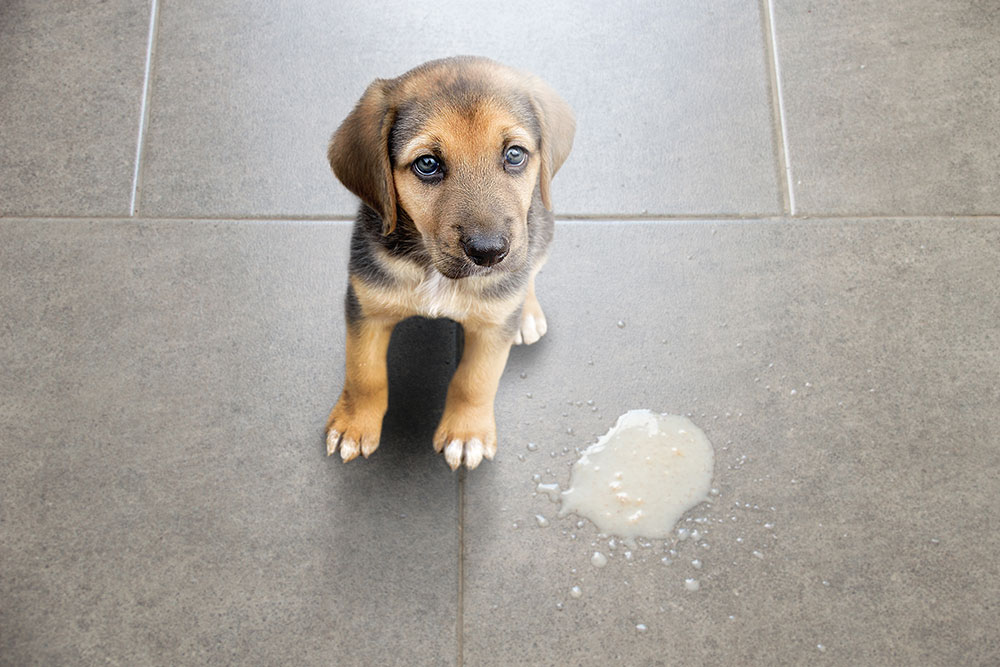
When Vomiting Signals Trouble: Understanding Digestive Upset in Dogs
You wake up in the middle of the night to that distinct, awful sound: your dog is throwing up. You clean it up, hoping it was just something they shouldn’t have eaten, but then it happens again. How do you know if it’s just a mild stomach ache or if it’s a true emergency that requires a trip to the vet? While every dog has an occasional digestive hiccup, recurring vomiting or finding other concerning signs like lack of energy, refusing food, or blood in the vomit can indicate a serious problem.
At Peak Pet Urgent Care, we help pet parents in Reno find answers quickly when vomiting strikes. Our walk-in facility provides urgent pet care near you, with on-site diagnostics, X-rays, ultrasound, and same-day treatment for vomiting, diarrhea, and other urgent concerns. If your dog can’t keep food down, seems weak, or vomits more than once, our veterinary team can identify what’s wrong and provide timely, compassionate care.
Why Dogs Vomit: From Simple to Serious Causes
Vomiting isn’t a disease- it’s a symptom of something else going on. Sometimes, it’s as harmless as eating too fast or sampling something off the floor. Other times, it’s a sign of infection, organ dysfunction, or a blockage in the digestive tract.
Acute vomiting happens suddenly and may resolve with rest and mild care, while chronic vomiting occurs over time and usually signals a deeper issue. Because vomiting can escalate quickly, observing details- such as frequency, color, and whether food, foam, or blood is present- helps your veterinarian determine the cause and urgency.
Our team uses advanced imaging and lab testing to distinguish minor stomach upset from more serious internal problems, guiding next steps for diagnosis and treatment.
Digestive Causes of Vomiting
Gastrointestinal Blockages and Foreign Objects
Dogs are curious eaters, and this curiosity sometimes leads to swallowing items that can’t pass through the digestive tract. A gastrointestinal foreign body obstruction can cause persistent vomiting, loss of appetite, abdominal pain, and lethargy. Common culprits include toys, bones, clothing, and trash.
In many cases, imaging confirms the presence of gastrointestinal foreign bodies, and treatment may require endoscopy or surgery to remove the blockage. At Peak Pet Urgent Care, we provide foreign body retrieval through endoscopy and surgical care for these situations, helping pets recover safely and comfortably.
Dietary Changes, Spoiled Food, Pancreatitis, and Toxins
Sudden diet changes or eating spoiled food can quickly upset a dog’s stomach. Even a well-meaning table scrap can lead to vomiting or diarrhea. Good pet food safety practices- like proper storage and avoiding expired food- help prevent problems.
Toxins are another serious concern. Certain plants, medications, and household items can cause life-threatening reactions. If you suspect your pet has ingested something harmful, contact us immediately or call poison control for guidance. Our clinic is equipped to stabilize toxin ingestion cases and coordinate care with emergency hospitals if more advanced treatment is needed.
Eating fatty foods- like stealing your bacon grease, or someone sneaking your pet some fat from their steak- can cause pancreatitis. Pancreatitis– inflammation of the pancreas- often triggers severe abdominal pain, poor appetite, and vomiting after eating.
Bloat and Stomach Rotation Emergencies (GDV)
For large, deep-chested breeds like Great Danes, Weimaraners, and German Shepherds, gastric dilatation-volvulus (GDV) is a true emergency. This condition occurs when the stomach fills with gas and twists on itself, cutting off blood flow.
Early signs include unproductive retching, a distended abdomen, drooling, restlessness, and collapse. GDV requires immediate emergency surgery to save the dog’s life. While Peak Pet Urgent Care focuses on urgent but not critical conditions, we can recognize the signs quickly, stabilize your pet, and either perform the surgery or coordinate a rapid transfer to a 24-hour facility.
Internal Organ and Metabolic Causes of Vomiting
Sometimes vomiting points to a deeper systemic condition. Diseases affecting the kidneys, liver, pancreas, electrolyte balances, or digestive motility can all cause nausea and vomiting in dogs.
- Pets living with chronic kidney disease may vomit due to toxin buildup in the bloodstream.
- Liver disease can also cause persistent vomiting along with yellowing of the gums and eyes (jaundice), weight loss, and lethargy, as the liver loses its ability to filter toxins and produce essential proteins for digestion and blood clotting.
- Diabetic ketoacidosis is a life-threatening complication of uncontrolled diabetes where severe vomiting, lethargy, increased thirst, and rapid breathing occur when the body can’t properly use glucose for energy and begins breaking down fats, producing dangerous ketones.
- Addisonian crisis, caused by insufficient adrenal hormone production, can present as sudden weakness with severe vomiting and diarrhea, sometimes leading to collapse- this condition is often called “the great pretender” because its symptoms can mimic many other diseases.
- When there is a slowing of the intestines, bilious vomiting syndrome can occur when bile backs up and irritates the stomach after fasting.
These complex issues often require bloodwork, X-rays, and ultrasound- all available at Peak Pet Urgent Care– to identify and manage effectively.
Infectious Diseases That Cause Vomiting
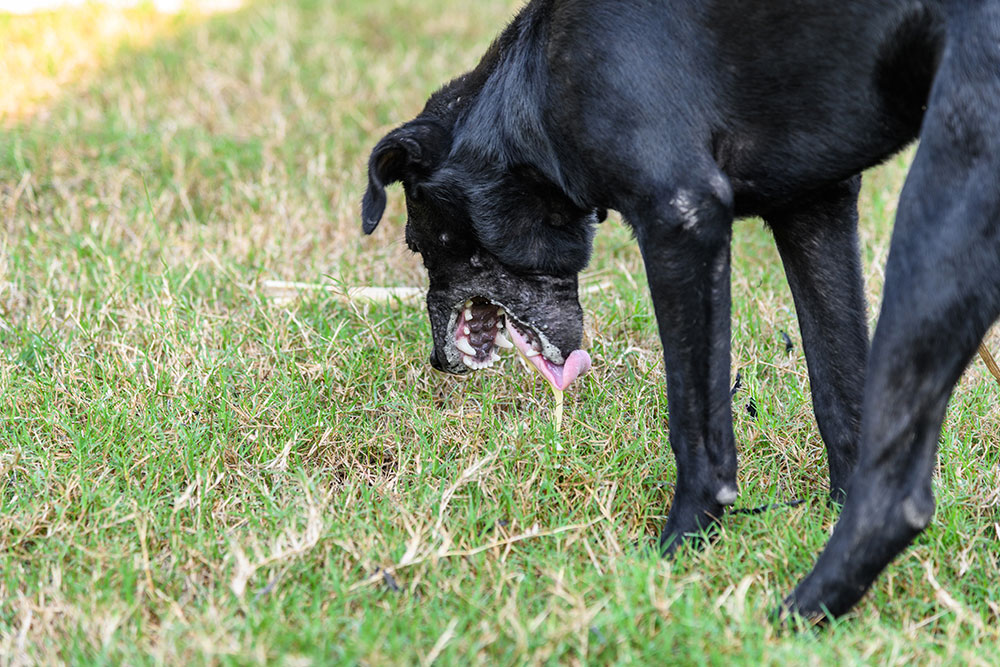
Viral and bacterial infections can cause significant vomiting, especially in puppies and unvaccinated dogs.
- Canine parvovirus is one of the most serious examples- it leads to profuse vomiting, bloody diarrhea, and dehydration, requiring hospitalization and intensive care. Quick recognition and early treatment are critical for recovery.
- Intestinal parasites like roundworms, hookworms, whipworms, and coccidia can all cause gastrointestinal upset including vomiting, particularly in young animals, and regular fecal testing helps catch these infections early before they cause serious illness. Giardia is a common intestinal parasite that causes diarrhea and vomiting. Dogs can contract Giardia by drinking contaminated water or eating contaminated soil.
- Campylobacter is a bacterial infection most commonly seen in young puppies that can cause vomiting along with watery or bloody diarrhea, fever, and abdominal cramping- and because it can spread to people, especially from pet store puppies, good hygiene practices are essential.
Our veterinarians assess hydration, provide fluids, run diagnostic tests including fecal examinations, and provide treatment for nausea. Preventive vaccination and regular parasite screening remain the best protection against contagious causes of vomiting.
Food Allergies and Allergic Reactions
Dogs can develop vomiting as a response to food allergies or food intolerances, though true food allergies are relatively uncommon. Food allergies occur when the immune system overreacts to a protein in the diet- most commonly beef, chicken, dairy, wheat, or soy- causing symptoms like vomiting, diarrhea, and chronic itching, particularly of the paws and ears.
Anaphylaxis, while rare in dogs, is a severe, life-threatening allergic reaction that can occur within minutes of exposure to an allergen. Symptoms include sudden onset of severe vomiting, excessive drooling, diarrhea, collapse, and shock.
Our veterinarians can help identify whether your dog’s vomiting stems from a food allergy, intolerance, or another cause entirely, and can recommend appropriate prescription diets and treatment plans.
Heatstroke and Vomiting
Heatstroke occurs when a dog’s body temperature rises above 105°F and they can no longer cool themselves down through panting- this is a life-threatening emergency that can cause vomiting along with excessive panting, drooling, weakness, bright red gums, disorientation, seizures, and collapse.
If your dog shows any signs of heatstroke, this is an immediate emergency requiring veterinary intensive care, including IV fluids, oxygen therapy, and close monitoring for complications.
What to Do When Your Dog Vomits
When your dog vomits once but otherwise seems fine, start by removing food for a few hours while keeping fresh water available. Avoid giving treats or changing diets immediately. If your dog is not eating, try offering a bland meal like boiled chicken and rice once the stomach settles.
Seek veterinary care if vomiting continues, contains blood, or is accompanied by lethargy, dehydration, or abdominal pain. At Peak Pet Urgent Care, our walk-in model allows pets to be seen promptly, and our triage system ensures those who are most ill receive care first.
Protecting Your Dog’s Digestive Health
While occasional vomiting can happen to any dog, it’s never something to ignore when it becomes frequent, severe, or accompanied by other symptoms. Early veterinary evaluation helps prevent dehydration, organ strain, or surgical emergencies.
At Peak Pet Urgent Care, we combine medical expertise with compassion and efficiency to help your pet feel better fast. Whether your dog has eaten something strange, is showing signs of infection, or just seems off, our team is here to provide the support and care you need.
If your pet is vomiting, contact us today or stop by for immediate evaluation. Because when something feels urgent to you, it’s urgent to us.




Leave A Comment