


Cancer in Pets: Hope Through Early Detection and Advanced Care
Does your pet seem a little slower these days, or have you noticed a lump that wasn’t there before? The fear that flashes through a pet owner’s mind at the thought of cancer is profound and completely normal. Learning your pet has cancer can feel devastating, yet it is vital to know that the world of veterinary oncology is rapidly changing. Thanks to incredible progress in diagnostics and treatment, a cancer diagnosis is no longer a final verdict. Through early detection and dedicated, personalized care, we can help many pets continue to enjoy happy, comfortable lives.
At Peak Pet Urgent Care, we frequently see pets with new lumps, changes in appetite, or sudden fatigue- symptoms that may signal an underlying condition. Our advanced diagnostics, including cytology, digital X-rays, and endoscopy, allow us to investigate abnormalities quickly and guide next steps. We ensure timely assessment and coordination for pets who need urgent attention. If you’ve discovered a concerning lump or your pet’s behavior has changed, stop by for urgent pet care near you– we’ll help you find answers.
Understanding Cancer in Pets
Cancer in pets occurs when cells grow uncontrollably, forming masses or spreading throughout the body. Because pets are living longer thanks to improved nutrition and preventive care, these diseases are being diagnosed more often. Early recognition and prompt veterinary evaluation can make all the difference, giving your pet the best chance for effective treatment and quality time ahead.
Routine exams, baseline lab work, and lump checks are key. At Peak Pet Urgent Care, our team performs in-house testing and advanced imaging to detect disease quickly and guide individualized treatment plans.
Common Types of Cancer in Pets
Cancer in pets can appear in many forms- some slow-growing and benign, others aggressive and fast to spread. Understanding the types of cancer most commonly seen in dogs and cats helps owners know what to look for and when to act.
Lipomas
Lipomas are soft, movable fatty masses often found beneath the skin of older dogs. While they’re usually harmless, they should always be examined and sometimes sampled to ensure no malignant cells are present. Our veterinarians can perform cytology to confirm diagnosis during your pet’s visit.
Mast Cell Tumors
Mast cell tumors are among the most common skin cancers in dogs, and they often mimic benign growths. Cytology or biopsy is the only way to tell the difference. At Peak Pet Urgent Care, we can perform aspirates and provide results quickly, helping families understand the next steps for staging or surgery.
Mammary Tumors
Unspayed female pets are more at risk for developing mammary tumors in dogs and mammary tumors in cats. These masses can range from benign to malignant, and early removal offers the best prognosis. Spaying before the first or second heat cycle significantly reduces risk- a discussion best had early with your primary veterinarian.
Lymphoma
Lymphoma affects the lymphatic system and can occur in both cats and dogs. Common signs include enlarged lymph nodes, lethargy, or weight loss. Lymphoma in the intestines may require an abdominal exploratory to take biopsies and rule out other causes. With prompt staging and appropriate therapy, many pets achieve remission or long-term stability.
Hemangiosarcoma
An aggressive cancer of blood vessel walls, hemangiosarcoma often involves the spleen or heart. Sudden collapse or internal bleeding are urgent warning signs. At Peak Pet Urgent Care, our team can perform splenectomy, imaging and bloodwork to assess internal bleeding and arrange immediate transfer to a specialty hospital if needed.
Osteosarcoma
Osteosarcoma is a bone cancer that most commonly affects large and giant breed dogs. Early signs include limping, swelling, or pain in one limb. X-rays and biopsy confirm the diagnosis, allowing veterinarians to discuss surgical and medical treatment options tailored to comfort and longevity.
Squamous Cell Carcinoma
Squamous cell carcinoma affects both skin and oral tissues. Cats often develop lesions under the tongue or along the gums, while dogs may show signs on their nose or toes. Early detection through oral exams and imaging is critical for controlling spread.
Recognizing the Signs of Cancer in Pets
Early detection is powerful. Common signs of cancer include unexplained weight loss, persistent sores, new lumps or bumps, lethargy, loss of appetite, difficulty eating, or bleeding. Some changes are subtle- like bad breath or reduced energy- but still worth investigating. If something doesn’t seem right, our team can perform same-day exams and diagnostics to identify potential causes.
How Veterinarians Diagnose Cancer
At Peak Pet Urgent Care, diagnostics start with a complete physical exam and a detailed history. We may recommend bloodwork, cytology, X-rays, or ultrasound to determine if a mass is benign or malignant and whether it has spread. Our goal is to give families clear, actionable answers quickly.
Cytology and Fine Needle Aspiration
Fine needle aspiration and cytology allow us to collect and examine cells from a mass without invasive surgery. Comparing cytology vs. biopsy helps determine the best diagnostic path, while skin cytology differentiates infection or inflammation from cancer. Our in-house lab speeds up results so treatment can begin as soon as possible.
Imaging and Staging
Advanced imaging like ultrasound imaging and radiographs help locate internal tumors and assess their spread. We follow evidence-based oncology guidelines to determine appropriate staging, giving pet owners a full understanding of their pet’s condition and options for next steps.
Treatment Options for Pet Cancer
Every cancer case is unique, and treatment depends on the tumor’s type, stage, and location. Our veterinarians focus on comfort, function, and collaboration with specialty hospitals when more advanced therapies are needed.
Surgical Removal of Tumors
Surgery remains one of the most effective treatments for localized cancers. Our experienced surgeons at Peak Pet Urgent Care perform tumor removals and wound reconstruction procedures safely and compassionately. Visit our surgery page for details or to schedule a consultation.
Chemotherapy for Pets
Chemotherapy can slow or stop the growth of many cancers while maintaining a good quality of life. Pet-specific regimens use lower doses than human oncology to reduce side effects. Pet owners should understand safe handling of chemotherapy medications and realistic expectations about chemotherapy cost. Our team helps guide financial planning and treatment decisions so families can make informed choices.
Radiation Therapy
For cancers that can’t be fully removed surgically, radiation can reduce tumor size and control pain. Referral to accredited radiation facilities ensures precise treatment in collaboration with your local care team.
Immunotherapy and Emerging Treatments
Modern approaches like immunotherapy strengthen the body’s own defenses to fight cancer. While not every patient qualifies, these advancements offer new hope for conditions once considered untreatable.
Supportive and Palliative Care
Cancer care also means maintaining comfort and joy. Nutritional support, pain management, and emotional well-being all matter. We help pet parents navigate options and connect them to cancer care resources that empower them through each stage. When cure is not possible, compassionate palliative care can preserve a pet’s comfort and dignity.
Early Detection and Routine Screening
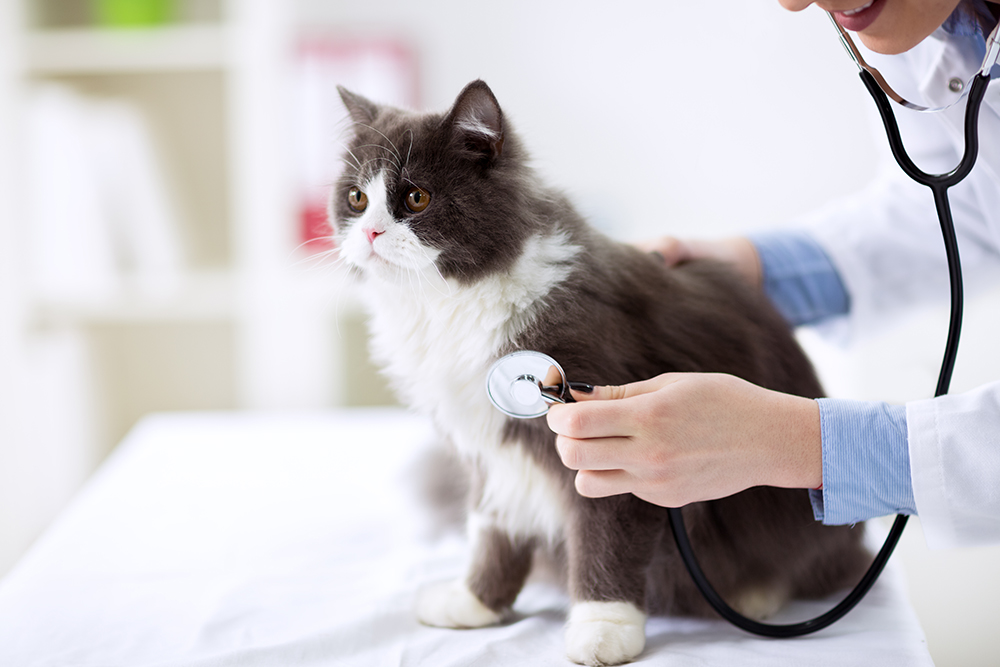
Routine exams, bloodwork, and lump checks remain the foundation of cancer prevention and early intervention. Even benign changes can provide clues to your pet’s health trajectory. Being proactive reduces stress, cost, and recovery time if disease develops. Our team encourages families to schedule regular visits for aging pets or whenever something seems “off.”
Moving Forward with Confidence and Care
Cancer may be a difficult diagnosis, but it does not erase hope. Many pets continue to live happy, meaningful lives with the right support and treatment. At Peak Pet Urgent Care, we’re here to guide you through the uncertainty- offering compassion, clarity, and partnership in every step.
If you’ve noticed a lump, unexplained changes in behavior, or symptoms that concern you, contact us or stop by for a walk-in visit. Because when something feels urgent to you, it’s urgent to us.




Leave A Comment