

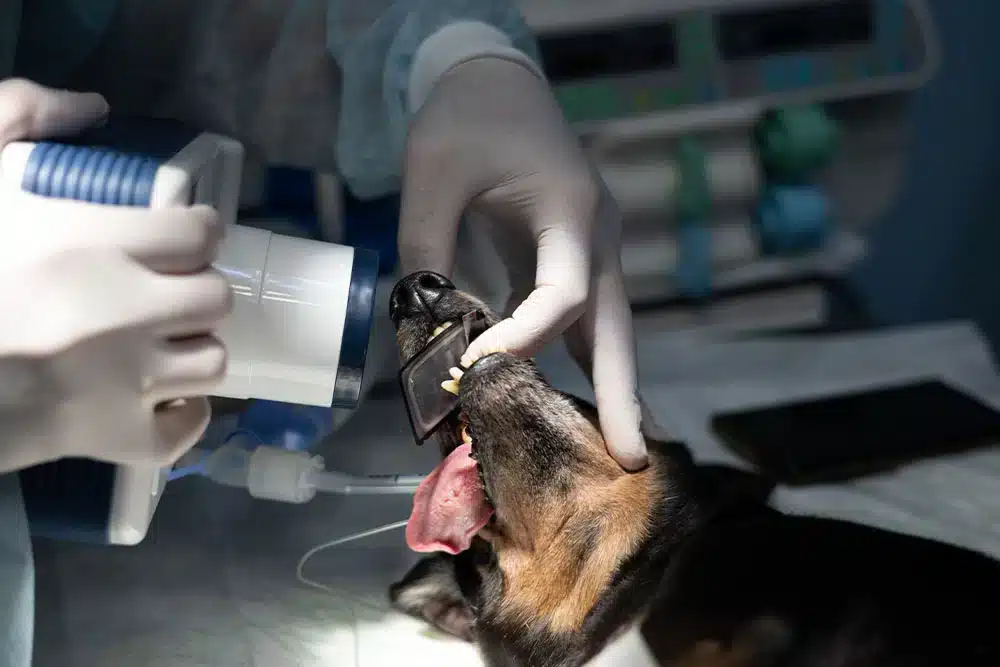
Seeing Beneath the Surface: Why Dental X-Rays Matter for Pets
We see it regularly at Peak Pet Urgent Care: pets with swollen faces, fractured jaws, or severe pain that seemingly came out of nowhere. The truth is, most dental emergencies don’t happen suddenly. They develop slowly beneath the gumline where visual exams can’t detect them, and by the time symptoms appear, the damage is already severe.
Many of these urgent crises could be prevented with regular professional dental cleanings that include full-mouth X-rays. More than half of all dental disease occurs below the gumline, invisible to the naked eye. At Peak Pet Urgent Care, we’re here when dental disease reaches the crisis point, but preventive diagnostic imaging can keep your pet from needing urgent pet care in the first place.
Why Dental X-Rays Are Essential for Preventing Emergencies
Plaque and bacteria silently destroy roots and bone structure without obvious symptoms until the damage becomes critical. By the time pets show signs like drooling or refusing food, infection has often spread to the jawbone or bloodstream. Dental radiographs identify bone loss, hidden infections, and fractured roots long before they cause emergencies.
Procedures like anesthesia-free dentals only address surface tartar, leaving dangerous disease to progress unchecked. When your veterinarian performs professional cleanings with X-rays, they catch problems while they’re manageable, preventing the painful emergencies we treat daily.
The Urgent Dental Emergencies We See Every Day
At Peak Pet Urgent Care, we treat dental emergencies that develop when underlying disease goes undetected. These conditions cause severe pain and require immediate attention. Most could have been identified during routine dental care with X-rays.
Periodontal Disease Leading to Broken Jaws
Periodontal disease destroys the bone supporting teeth, and small dogs are especially vulnerable to mandibular fractures during normal activities like chewing. These fractures are excruciatingly painful and require surgical stabilization. X-rays during routine cleanings would reveal bone loss early, but once fractures occur, our team provides immediate pain relief, stabilization, and surgical intervention. Dogs with broken jaws often can’t eat or drink, requiring emergency feeding tube placement and aggressive pain management during recovery. The healing process can take weeks, and without intervention, pets face starvation, dehydration, and overwhelming infection from the open fracture site.
Fractured and Broken Teeth That Become Infected
Fractured teeth from chewing hard objects can develop hairline cracks that aren’t visible but allow infection to invade the root. Without X-rays, infection spreads silently until an abscess forms, causing facial swelling and severe pain. By the time owners notice symptoms, emergency extraction under anesthesia, antibiotics, and pain management are required. The infection can spread rapidly to surrounding teeth and bone, sometimes requiring multiple extractions in a single emergency visit. Left untreated, these infections can spread to the bloodstream, causing systemic illness that puts pets at risk for organ damage and sepsis.
Tooth Root Abscesses Causing Facial Swelling
Tooth root abscesses are one of the most painful emergencies we treat, developing when bacteria travel through damaged teeth to create pus-filled pockets in the jawbone. These infections develop over weeks but dental X-rays during routine cleanings would reveal early signs. When we treat these emergencies, we provide immediate pain relief, drain abscesses, and perform urgent extractions. Some abscesses rupture through the skin, creating draining tracts on the face that require surgical debridement and extended antibiotic therapy. Pets with untreated root abscesses may stop eating entirely from the pain, leading to rapid weight loss and weakness that compounds the emergency.
Dentigerous Cysts Destroying Jawbone
Dentigerous cysts form around unerupted teeth and silently expand over months, especially in brachycephalic breeds like Boxers, Pugs, and Shih Tzus. The only sign may be a missing tooth, but beneath the gumline, the cyst destroys bone and displaces teeth. We’ve treated dogs whose cysts caused jaw fractures during normal chewing, requiring surgical removal and often bone grafting. Because these cysts expand without obvious symptoms, owners are often shocked when their pet suddenly can’t eat or has visible facial deformity from bone destruction. Emergency surgery to remove large cysts can be extensive and complicated, requiring referral to specialists for reconstruction when significant portions of the jaw have been compromised.
Tooth Resorption in Cats
Tooth resorption is one of the most painful conditions we see in cats, starting beneath the gumline where the body breaks down tooth structure from within. Affected cats hide their pain until the disease becomes so advanced they can’t tolerate food. X-rays are the only way to diagnose this accurately, preventing months of suffering before emergency extractions become necessary. We often see cats in crisis who haven’t eaten for days, requiring hospitalization for nutritional support while we perform urgent multi-tooth extractions under anesthesia. Tooth resorption frequently affects multiple teeth simultaneously, meaning emergency treatment can involve extracting six, eight, or even more teeth in one sitting to finally provide relief.
Oral Tumors Requiring Immediate Intervention
Oral tumors can develop in dogs and cats, and dental X-rays determine whether growths have invaded bone or spread. We see pets whose oral masses were dismissed until the tumor interfered with eating or became infected. When detected early during routine X-rays, veterinarians can stage the disease and plan treatment while it’s still localized. Emergency situations arise when tumors bleed uncontrollably, obstruct the airway, or become necrotic and infected, requiring immediate stabilization and sometimes emergency surgery. Advanced tumors that have invaded bone may require extensive jaw resection, and by the time they reach urgent care, treatment options are often limited and prognosis is significantly worse than if caught early.
Why Surface Cleanings Leave Dangerous Disease Untreated
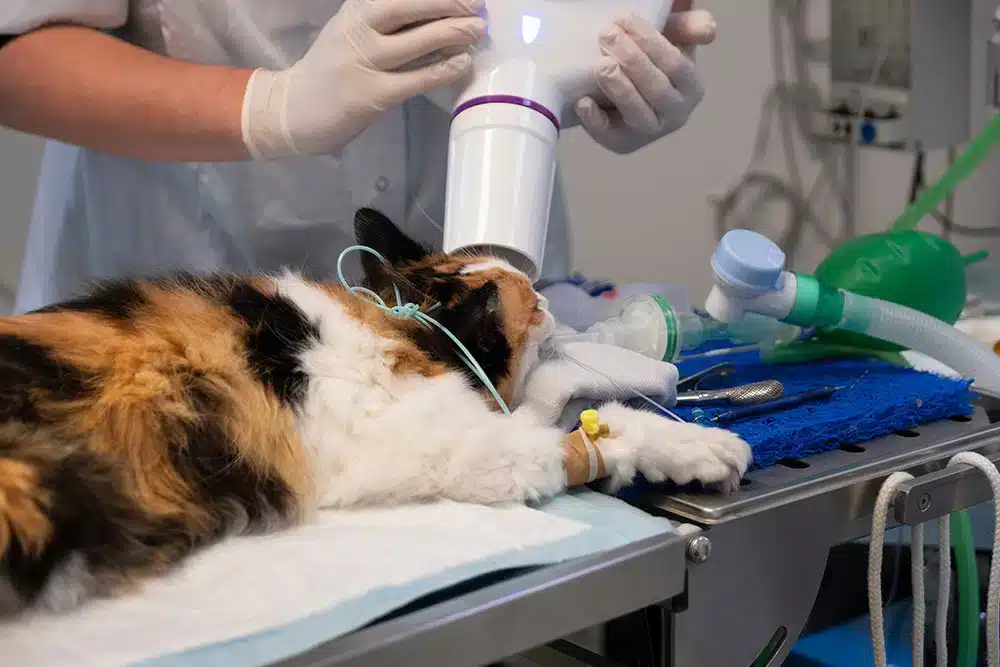
Anesthesia-free dentals remove visible tartar but create a dangerous false sense of security because they can’t access disease below the gumline. Without X-rays, root infections, bone loss, and fractured roots remain completely hidden. We frequently treat urgent emergencies in pets whose owners believed their teeth were healthy after cosmetic cleanings.
True dental health requires anesthesia to safely perform full-mouth X-rays and scale below the gumline. Comprehensive dental care includes radiographic imaging to guide accurate treatment. This approach prevents the urgent emergencies we see daily, saving pets from pain and owners from crisis intervention costs.
What Peak Pet Can Do When Dental Emergencies Occur
Because we focus on urgent conditions, we’re equipped to handle dental emergencies after hours or when your family veterinarian isn’t available. We provide immediate pain relief, diagnostic imaging to assess disease extent, and stabilization or emergency extractions. Our surgical services allow us to address fractured jaws, perform urgent extractions, drain abscesses, and remove infected tissue.
However, our greatest hope is that your pet never needs urgent dental care. Regular professional cleanings with full-mouth X-rays prevent the vast majority of emergencies we treat. If you’re noticing warning signs like bad breath, drooling, or reluctance to eat, contact your veterinarian before the situation becomes urgent.
Frequently Asked Questions About Preventing Dental Emergencies
How often should my pet have dental X-rays?
Full-mouth radiographs should be performed during every professional dental cleaning, typically annually for most pets and more frequently for those with active disease.
Are dental X-rays really necessary if my pet’s teeth look fine?
Yes. The most dangerous dental disease occurs below the gumline where it’s completely invisible during visual exams.
Why can’t you just do X-rays during urgent care visits?
We do perform X-rays during urgent visits, but by that point, your pet is already in pain. Regular preventive X-rays allow early detection before disease reaches crisis levels.
What happens if my pet needs emergency dental care?
Walk in during our open hours or contact us to discuss symptoms. We’ll provide immediate evaluation, pain relief, and treatment to stabilize your pet.
Protecting Your Pet From Dental Emergencies
Dental emergencies are painful, expensive, and traumatic, but most are preventable with regular professional dental care that includes X-rays. When veterinarians can see beneath the surface, they identify and treat problems before they cause urgent crises. Prevention through routine dental X-rays is always better than intervention after pain develops.
At Peak Pet Urgent Care, we’re here when dental disease reaches the urgent stage, providing immediate relief when you need it most. If your pet shows signs of dental discomfort or hasn’t had professional dental imaging in over a year, schedule an evaluation with your family veterinarian. And if a dental emergency occurs after hours or on weekends, we’re here to help. Contact us today or walk in during our open hours- because if something feels urgent to you, it’s urgent to us.




Leave A Comment