

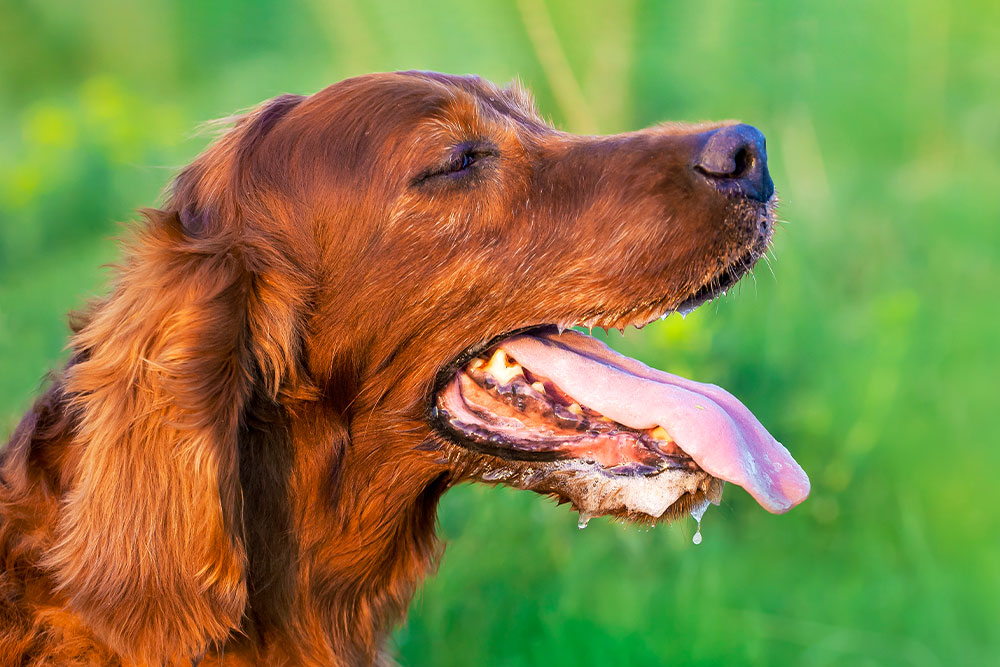
How to Tell If Drooling Is Harmless or a Sign of Something Serious
You’re sitting on the couch when you notice something unusual: your dog or cat- who normally keeps a dry chin- is suddenly producing strings of saliva. It’s the kind of thing that makes you pause and wonder if something’s wrong.
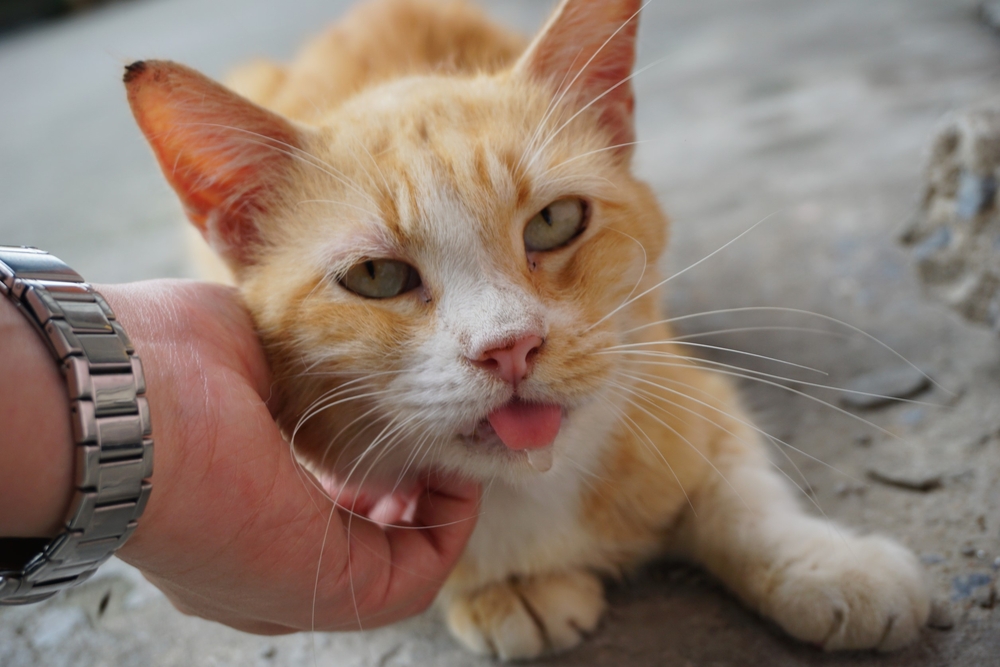
The short answer? It might be nothing, or it might be something that needs attention. Sudden, excessive drooling can stem from simple hunger from watching you eat your lunch or sometimes happiness with purring cats- but it could also be nausea, a sore tooth, toxin exposure, a foreign object stuck somewhere it shouldn’t be, or a serious illness that needs prompt care. Knowing the difference helps you respond the right way- without panicking over normal drool or brushing off something that actually matters.
Peak Pet Urgent Care in Reno handles drooling concerns ranging from upset stomachs to potential poisoning. Our urgent care facility can quickly figure out whether your pet’s drooling is a minor issue or something more serious requiring rapid treatment. When foreign bodies are suspected, our endoscopy services allow us to visualize and sometimes remove obstructions without surgery. Contact us right away if your pet suddenly starts drooling excessively- time matters when toxins or obstructions might be involved.
Sudden Saliva Surges: What Pet Owners Need to Know
Seeing puddles or strings of drool where you normally don’t can definitely be alarming. While some pets drool for totally ordinary reasons- anticipating dinner, riding in the car, or simply being a droopy-lipped breed- sudden, profuse salivation usually points to something that deserves a closer look. The causes run the gamut from nausea and dental problems to foreign objects stuck in the throat or accidental poisoning.
The goal is figuring out whether you’re dealing with harmless drool or red-flag drool- quickly and safely.
At Peak Pet Urgent Care, we bridge the gap between your regular veterinarian and the emergency hospital. With same-day triage, in-house lab testing, digital X-ray, ultrasound, and minimally invasive tools, we get answers fast. If your pet’s drooling feels urgent, our streamlined process helps you understand exactly what comes next.
Normal Drool Versus Concerning Drool
A little drool can be perfectly normal- especially in loose-lipped dog breeds like Bloodhounds and Saint Bernards, or in relaxed cats who purr and knead with such contentment that a little saliva escapes. That’s not what we’re talking about here.
What’s abnormal is a clear change in pattern, volume, or context. If a pet who rarely drools is suddenly soaking their chest or leaving wet spots on the floor, if saliva strings appear alongside reluctance to eat or pawing at the mouth, or if you notice a new, unusual color or smell to the drool- it’s time to pay closer attention.
Warning Signs That Signal Immediate Care
Some situations call for urgent action. Treat drooling as an emergency and seek care right away if it’s paired with:
- Difficulty breathing, open-mouth panting in cats, or noisy respirations
- Tremors, seizures, collapse, extreme lethargy, or confusion
- A swollen, firm, or painful abdomen along with vomiting or retching
- Known or suspected exposure to toxins, caustic substances, or medications
- Inability to swallow, pawing frantically at the mouth, or sudden facial swelling
If you’re genuinely unsure whether it counts as a pet emergency, err on the side of caution. During open hours, walk into our urgent care facility in South Reno. For life-threatening emergencies after hours, we refer to local 24/7 centers and help coordinate transfers when needed.
A Calm, Safe Home Health Check
Before you head to the clinic, a brief at-home assessment can provide helpful information to share with your veterinary team. Just keep safety first- pets in pain may snap or scratch unexpectedly, even if they’ve never done so before.
Start with a whole-body look: How is your pet standing or sitting? Are they breathing normally? Do they seem alert, or are they unusually quiet? A structured home health check can guide you through what to observe.
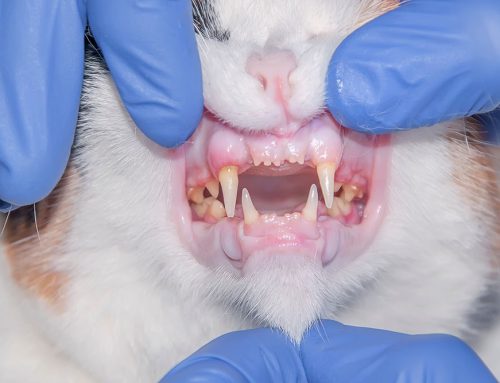
If your pet allows it, take a gentle peek inside their mouth. Look for broken teeth, lodged sticks or bones, string wrapped around the tongue, sores, or anything else that looks out of place. Never pull blindly on something if you suspect it might be sharp or if it’s a string going down the throat- you could cause more harm.
As you observe, watch for signs of pain like head shyness, jaw chattering, or reluctance to eat. This quick survey doesn’t replace a professional exam, but it helps you communicate clearly with the veterinary team. If drooling is heavy, persistent, or accompanied by other worrying signs, bring your pet in for targeted diagnostics and relief.
Common Causes: Toxins, Nausea, Dental Pain, and More
Excessive drooling usually traces back to a handful of frequent triggers. Acting quickly when you spot them can make all the difference.
Toxins and Irritants
Caustic or irritating substances can trigger intense salivation as the body tries to dilute and flush them out. Common culprits include household cleaners, pesticides, rodenticides, human medications, nicotine products, essential oils, and many toxic plants.
If you suspect poisoning:
- Don’t induce vomiting unless a veterinarian specifically tells you to
- Bring the packaging or a plant sample if possible
- Call the Pet Poison Helpline while you’re on your way
- Please contact us so we can prepare for rapid decontamination and care
Nausea and GI Upset
Nausea is one of the top reasons for sudden drooling. Eating something they shouldn’t have, rapid diet changes, motion sickness, gastritis, GI foreign bodies, or pancreatitis can all lead to salivation and lip-smacking.
Clues that nausea might be the culprit include retching, an uncomfortable hunched posture, persistent lip-licking, pacing, vomiting, or unusual lethargy. If a foreign object is suspected, our endoscopy services may be able to retrieve items without surgery. When that’s not possible, we’ll discuss urgent surgical options for foreign body retrieval or perform an abdominal exploratory to try to get to the root of the problem.
Dental Disease and Painful Mouth Conditions
Oral pain is a surprisingly common driver of drool. Periodontal disease, fractured teeth, abscesses, or debris wedged between teeth can all increase salivation- the mouth is essentially trying to soothe itself. Good dental care helps prevent many of these problems before they start.
- Bite abnormalities can also cause chronic irritation. Malocclusion affects how teeth line up and can lead to ongoing discomfort.
- Oral tumors are less common but important to catch early. Warning signs include persistent drooling, bleeding from the mouth, facial swelling, foul odor, or reluctance to eat hard food.
- Mandibular fractures, which can occur from severe dental disease or after dog fights and trauma, cause drooling because of the pain and inability to close the mouth properly.
- Cats may develop inflammatory mouth conditions like stomatitis, which causes profound drooling and significant pain.
Same-day assessments can quickly identify the source of oral discomfort and get your pet relief.
Systemic Illnesses
Sometimes drooling reflects a bigger health picture. Conditions like chronic kidney disease or liver disease can cause drooling through nausea or oral discomfort.
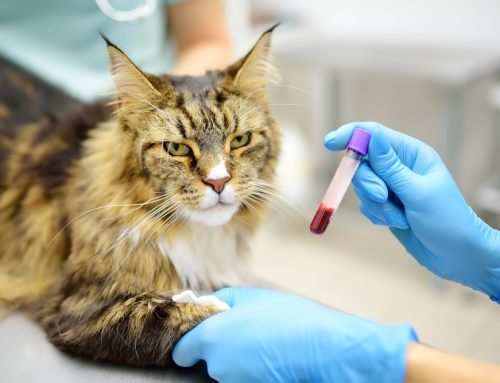
If drooling persists alongside weight loss, decreased appetite, increased thirst or urination, or behavior changes, a more comprehensive workup is warranted. We offer same-day blood panels, urinalysis, and imaging, and coordinate transfers when advanced hospitalization is needed.
How Veterinarians Diagnose and Treat Excessive Drooling
When you bring your pet in, the visit starts with triage and a focused physical exam. We pay special attention to the mouth, throat, and abdomen- the most likely problem areas when drooling is the main concern.
Depending on what we find, we may recommend an oral examination (sometimes under sedation for a thorough look), dental radiographs, bloodwork, urinalysis, X-rays, or ultrasound.
Treatment depends on what’s causing the drooling. Common approaches include:
- Nausea/GI upset: Anti-nausea medications, GI protectants, diet changes, and fluids
- Dental disease: Pain control, appropriate antibiotics, extractions when needed, and home care guidance
- Foreign body ingestion: Endoscopic removal or surgery when necessary
- Toxin exposure: Decontamination, activated charcoal when indicated, antidotes if available, and supportive care
- Systemic illness: Targeted therapy based on test results
We provide a clear plan and estimate before proceeding with any non-critical diagnostics or treatment. Pets needing advanced hospitalization are stabilized and transferred, with records sent to both the receiving hospital and your family veterinarian.
Preventing Problems and Monitoring at Home
Simple, consistent habits can reduce the chances of drooling emergencies in the first place.
Pet-proof your home by securing cleaners, medications, and nicotine products. Remove or fence off toxic plants, keep trash sealed, and make sure table scraps stay out of reach.
Maintain oral health with regular home checks, tooth brushing if your pet tolerates it, and timely dental assessments with your veterinarian.
Feed thoughtfully by introducing new diets slowly, avoiding high-fat treats that can trigger pancreatitis, and preventing scavenging on walks or in the yard.
Watch for early clues. Subtle shifts in appetite, breath odor, chewing behavior, or frequent lip-licking can signal a developing problem. Catching things early often means simpler, less expensive treatment.
We see both dogs and cats for urgent concerns that are important but not immediately life-threatening. If drool patterns change suddenly, it’s better to check in sooner rather than later.
FAQs: Quick Answers About Excessive Drooling
Is drooling always an emergency?
Not always. However, drooling combined with breathing trouble, seizures, collapse, or suspected toxin exposure is definitely urgent. If you’re debating the severity, it’s safer to treat it as a pet emergency and seek care.
Can a foreign object cause drooling?
Absolutely. Items lodged in the mouth, esophagus, or stomach can trigger drool, gagging, and pain. We offer foreign body retrieval and advanced imaging to confirm what’s going on and treat it appropriately.
What will the visit involve?
You can expect a focused exam, oral evaluation, and diagnostics as needed. To understand our process, see what to expect. If surgery turns out to be necessary, our surgery team is equipped for urgent procedures.
When It’s Time to Reach Out
Here’s the bottom line: occasional drool can be perfectly normal, but sudden or heavy salivation often signals pain, nausea, toxin exposure, or an oral problem that deserves prompt attention. Trust your instincts- if something seems off, it probably is.
Peak Pet Urgent Care is here seven days a week to bridge the gap between routine veterinary care and emergency hospitals. If your pet is drooling excessively, seems to have mouth pain, or you suspect they’ve swallowed a foreign object or gotten into something toxic, please contact us or head to our urgent care facility for triage.
Our Reno team will prioritize your pet’s comfort, identify the cause, and guide you to the right level of care with compassion and efficiency.



Leave A Comment