

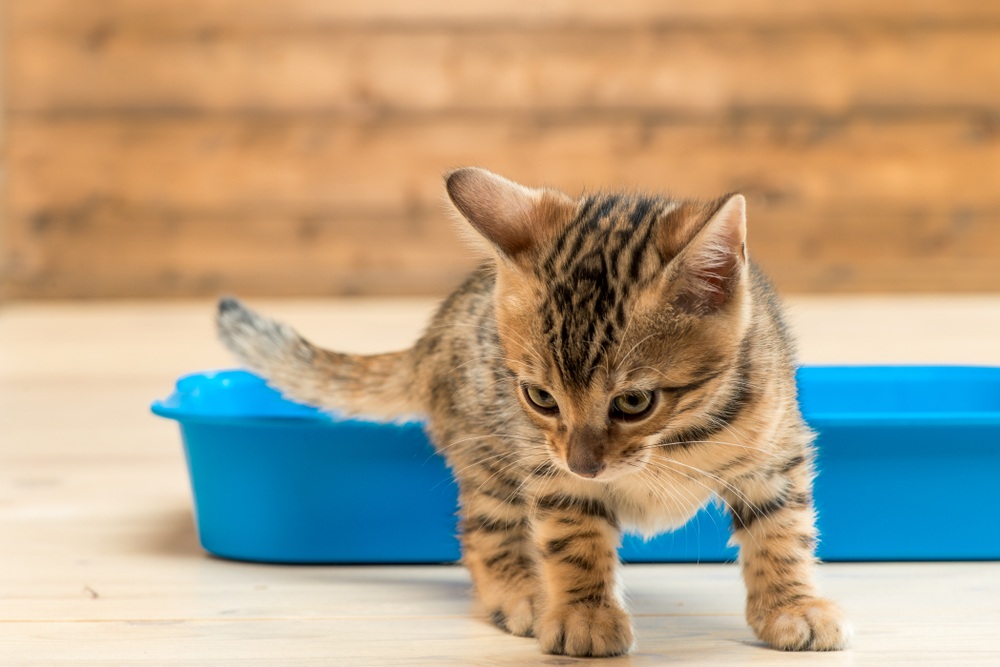
Why Cats Stop Using the Litterbox: Medical Causes That Need Prompt Attention
When a cat who has always been reliable suddenly starts having accidents outside the litterbox, it’s easy to assume they’re upset about something or being difficult. But here’s what most pet owners don’t realize: litterbox avoidance is often a cat’s way of telling you something hurts. Urinary tract infections, bladder stones, kidney disease, diabetes, bowel problems, and painful inflammation can all drive cats away from the box. Waiting to see if the problem resolves on its own can allow treatable conditions to worsen or, in some cases, become life-threatening emergencies.
Peak Pet Urgent Care in Reno provides same-day assessment for cats experiencing litterbox problems. Our in-house laboratory, digital X-ray, and ultrasound allow us to run urinalysis, bloodwork, and imaging the same day you visit, so you leave with answers rather than guesses. If your cat has started avoiding the litterbox, contact us today to find out why.
Why Medical Causes Must Be Ruled Out First
Cats are masters at hiding pain and illness. By the time they change a reliable behavior like litterbox use, something has usually been bothering them for a while. Assuming the problem is behavioral without checking for medical causes means potentially missing conditions that are treatable, painful, or dangerous.
The litterbox itself can become associated with pain. A cat who experiences burning during urination or straining during defecation may start avoiding the box entirely, seeking out softer surfaces like rugs, laundry, or beds. This isn’t spite. It’s a cat trying to find relief.
Our urgent care services are designed to identify medical causes quickly so treatment can begin before problems escalate.
Urinary Tract Problems: Pain, Urgency, and Danger
Urinary issues are among the most common reasons cats stop using the litterbox, and some can become emergencies within hours.
Urinary Tract Infections and Inflammation
Urinary tract infections cause burning, urgency, and discomfort that make cats associate the litterbox with pain. You may notice frequent trips to the box with little output, crying while urinating, blood-tinged urine, or excessive licking of the genital area.
FLUTD (feline lower urinary tract disease) is an umbrella term covering several conditions that cause similar symptoms, including infections, inflammation, crystals, and stones. Cats with FLUTD often strain repeatedly, produce small amounts of urine, and may start eliminating in unusual places due to urgency or pain.
Bladder and Kidney Stones
Urinary stones can form in the bladder or kidneys, causing chronic irritation, pain, and bloody urine. Some stones pass on their own with medical management, while others require surgical removal. When stones are identified, we can perform cystotomy to remove them and provide relief.
Urethral Obstruction: A Life-Threatening Emergency
Urethral obstruction occurs when stones, mucus plugs, or inflammation block the urethra, preventing urine from leaving the body. This happens most often in male cats due to their narrower urethras.
A blocked cat will strain repeatedly without producing urine, vocalize in pain, become lethargic, vomit, and eventually collapse. Without treatment, toxins build up in the bloodstream and the bladder can rupture. This is a true emergency that can be fatal within 24 to 48 hours.
If your male cat is straining to urinate and producing little or no urine, seek emergency care immediately.
Digestive Conditions That Cause Litterbox Avoidance
Problems with defecation can be just as significant as urinary issues, and cats experiencing pain or difficulty with bowel movements often avoid the litterbox entirely.
Constipation and Megacolon
Chronic constipation causes straining, pain, and sometimes complete inability to defecate. Over time, severe or repeated constipation can lead to megacolon, a condition where the colon becomes stretched and loses its ability to contract normally. Cats with megacolon may strain unproductively, pass small hard stools, or have accidents outside the box because they can’t control when stool finally passes.
Dehydration, low-fiber diets, pain from arthritis that makes posturing difficult, and certain medications can all contribute to constipation. Treatment may involve fluids, diet changes, medications to promote motility, or in severe cases, surgery.
Inflammatory Bowel Disease
Inflammatory bowel disease (IBD) causes chronic inflammation of the digestive tract, leading to vomiting, diarrhea, weight loss, and changes in defecation habits. Cats with IBD may have urgent, unpredictable bowel movements that don’t allow time to reach the litterbox, or they may associate the box with the discomfort of passing stool.
Intestinal Lymphoma
Lymphoma is the most common cancer in cats, and the intestinal form causes symptoms similar to IBD: weight loss, vomiting, diarrhea, and changes in elimination habits. Because the symptoms overlap, diagnostic testing is essential to distinguish between these conditions and guide appropriate treatment.
Systemic Diseases That Increase Urination
Several diseases cause cats to drink and urinate much more than normal. When urine volume dramatically increases, even a cat who wants to use the litterbox may not make it in time, or the box may become soiled faster than usual.
Chronic Kidney Disease
Chronic kidney disease is extremely common in older cats. As kidney function declines, the body can’t concentrate urine effectively, leading to increased thirst and dramatically increased urine output. Cats may urinate outside the box simply because they can’t hold the larger volumes, or because the box becomes unacceptably soiled between cleanings.
Early detection through bloodwork and urinalysis allows for dietary management and supportive care that can slow progression and maintain quality of life.
Diabetes
Diabetes in cats causes high blood sugar that spills into the urine, pulling water with it and creating excessive thirst and urination. Diabetic cats may have accidents because of increased urgency and volume. Weight loss despite a good appetite, lethargy, and changes in coat quality are other common signs.
Diabetes is manageable with insulin, diet changes, and monitoring, but it requires diagnosis to treat. Obesity significantly increases diabetes risk, making weight management an important part of prevention and treatment.
Hyperthyroidism
Hyperthyroidism occurs when the thyroid gland produces excess hormone, revving up metabolism and causing weight loss, increased appetite, restlessness, and increased thirst and urination. It’s one of the most common endocrine diseases in older cats.
Treatment options include medication, dietary management, radioactive iodine therapy, or surgery. When surgery is appropriate, we offer thyroidectomy and parathyroidectomy as part of a comprehensive treatment plan.
Pain and Mobility Issues
Cats in pain may avoid the litterbox not because of urinary or digestive problems, but because getting to and using the box hurts.
Arthritis makes jumping into high-sided boxes painful. Climbing stairs to reach a box on another floor may be too difficult. Cats with back pain may struggle to posture for elimination. The result is a cat who finds a more accessible spot, often a rug, bed, or laundry pile that’s easier to reach and softer to stand on.
Senior cats and overweight cats are especially prone to mobility-related litterbox problems. Low-entry boxes placed on every floor of the home, near resting areas, can make a significant difference.
Stress and Behavioral Factors: After Medical Causes Are Cleared
Once medical problems have been ruled out or treated, behavioral and environmental factors become the focus. Stress, multi-cat tension, litterbox setup problems, and marking behavior can all cause inappropriate elimination, but addressing these without first checking for medical causes often fails.
Urine spraying is a marking behavior distinct from true litterbox avoidance. Cats spray on vertical surfaces to communicate territorial boundaries. Spraying behavior often increases with stress, conflict, or the presence of outdoor cats. Spaying or neutering significantly reduces spraying in intact cats.
Environmental enrichment through a secure, engaging indoor environment helps reduce stress-related elimination problems. Optimizing litterbox setup with the right number of boxes, appropriate litter, proper placement, and regular cleaning addresses many behavioral causes.
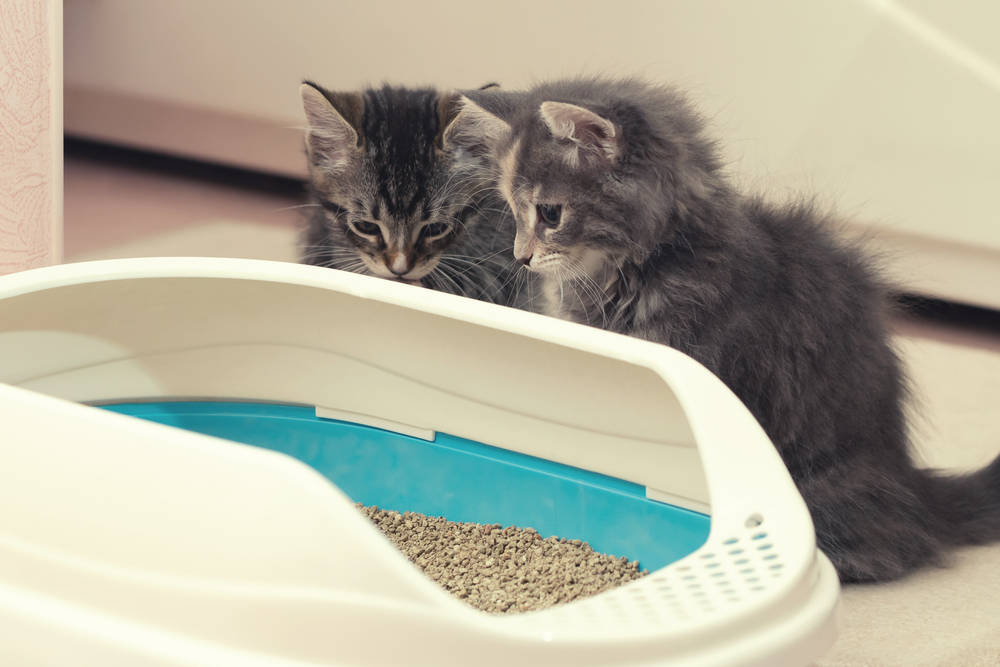
When to Seek Urgent Care
Some signs require prompt evaluation because they may indicate painful conditions or impending emergencies:
- Straining to urinate with little or no output (especially in male cats)
- Blood in urine or stool
- Vocalizing or crying during elimination
- Frequent trips to the litterbox without producing anything
- Lethargy, hiding, vomiting, or loss of appetite alongside elimination changes
- Sudden accidents from a previously reliable cat
- Excessive licking of the genital area
- Visible discomfort or pain when posturing to eliminate
Male cats straining to urinate without producing urine need emergency care immediately. Urethral obstruction can be fatal within 24 to 48 hours without treatment.
Getting Your Cat Back on Track
Most litterbox problems have identifiable, treatable causes. The key is not waiting to see if things improve on their own, especially when medical conditions could be progressing.
At Peak Pet Urgent Care, we provide same-day diagnostics including urinalysis, bloodwork, X-rays, and ultrasound to identify what’s driving your cat’s litterbox avoidance. We share clear findings and treatment options, then coordinate with your family veterinarian for ongoing care.
If your cat has started avoiding the litterbox, don’t assume it’s behavioral. Visit our urgent care services to find answers and get your cat the relief they need. Early intervention prevents complications, reduces suffering, and gets reliable litterbox habits restored faster.




Leave A Comment