


Treatment Paths and Expectations for Pets With Osteosarcoma
A Diagnosis No One Wants to Hear
Limping that won’t resolve. Swelling along a leg bone that seems to get worse every week. Pain that escalates despite rest and medication. When those signs lead to a diagnosis of osteosarcoma, the news hits hard. This is an aggressive bone cancer, and there’s no way to soften that. But understanding what you’re dealing with, what the treatment options look like, and how to keep your dog comfortable gives you the clarity to make decisions that are right for your pet and your family.
Peak Pet Urgent Care in Reno provides same-day pain management, diagnostic imaging, and surgical services including amputation for dogs diagnosed with osteosarcoma. We understand this diagnosis brings heartbreak and difficult choices, and we’re here to help you navigate them. Our urgent care services are available seven days a week for pain crises and new concerns. Contact us to discuss next steps.
What Is Osteosarcoma?
Osteosarcoma is a malignant tumor that starts in bone. It destroys normal bone tissue and replaces it with abnormal, brittle tumor growth that is painful and structurally weak. Among the broader landscape of types of cancer in pets, osteosarcoma stands out for how aggressive it is. It grows fast, causes significant pain, and has a strong tendency to spread to the lungs and other organs early in the disease.
The most common locations are the long bones near the shoulder, wrist, and knee, though osteosarcoma can also develop in the jaw, skull, ribs, or spine.
While osteosarcoma can occur in cats and small dogs, it overwhelmingly affects large and giant breed dogs. That breed connection is one of the most important things to understand about this cancer.
Which Dogs Are Most at Risk?
Size is the single biggest risk factor. The larger the dog, the higher the risk, and giant breeds carry the heaviest burden. Osteosarcoma is most commonly diagnosed in dogs between 6 and 10 years of age, though it can appear in younger dogs as well.
Breeds with the highest incidence include:
- Great Danes
- Irish Wolfhounds
- Rottweilers
- Greyhounds and Scottish Deerhounds
- Saint Bernards and Newfoundlands
- German Shepherds
- Doberman Pinschers
- Golden Retrievers and Labrador Retrievers
- Mastiff breeds
The connection between body size and osteosarcoma risk is well documented. Rapid growth during development, greater mechanical stress on weight-bearing bones, and genetic predisposition all play a role.
Because cancer in pets can present differently depending on location, breed, and stage, owners of large and giant breeds should pay close attention to persistent limping, localized swelling, or bone pain that doesn’t resolve. Early evaluation gives you more options.
What Should You Watch For?
Many owners first notice a limp that comes and goes, or a firm swelling along a long bone in the leg. These signs can look a lot like a sprain or arthritis, which is why an exam matters so much. As osteosarcoma progresses, pain intensifies and often becomes harder to manage with standard medications.
Warning signs that warrant a prompt veterinary visit:
- Persistent lameness that doesn’t improve with rest
- A firm swelling over a leg bone, especially near a joint
- Reluctance to bear weight on a limb
- Pain when the area is touched
- Irritability, decreased appetite, or reluctance to exercise
- A sudden fracture after a minor slip, jump, or normal activity
Many signs of cancer in pets are subtle at first, and osteosarcoma is no exception. A limp that has been present for more than a few days, or bone swelling that is increasing, deserves imaging sooner rather than later.
If your dog is limping, our team can triage and image the affected limb during a walk-in visit.
What Are Pathological Fractures, and Why Are They an Emergency?
One of the most frightening presentations of osteosarcoma is a pathological fracture, a bone break that happens through an area weakened by the tumor rather than from significant trauma. Your dog might take a normal step off the porch, jump out of the car, or simply shift weight, and the bone gives way.
Pathological fractures are different from normal fractures in important ways. The bone isn’t healthy, so it can’t heal reliably on its own or with standard fixation. The fracture site is painful, unstable, and infiltrated with tumor cells. These fractures are a medical emergency because of the sudden, severe pain they cause and the fact that they often make limb salvage impossible.
If your dog has a known bone tumor and suddenly refuses to use a leg, cries out, or the limb appears deformed, get to a veterinarian immediately. We can stabilize pain, splint the limb if appropriate, and help you make decisions about next steps, whether that means emergency amputation or focused comfort care.
Understanding pathological fractures is also part of why early diagnosis and proactive planning matter so much with osteosarcoma. Once the bone is significantly weakened, a fracture can change the situation from “we have time to plan” to “we need to act now.”
How Is Osteosarcoma Diagnosed and Staged?
Diagnosing bone cancer starts with high-quality radiographs. Osteosarcoma has a characteristic appearance on X-ray, but imaging alone can’t always distinguish it from bone infections or other tumors. Bone tumors often require biopsy, which retrieves a tissue core for a more definitive answer.
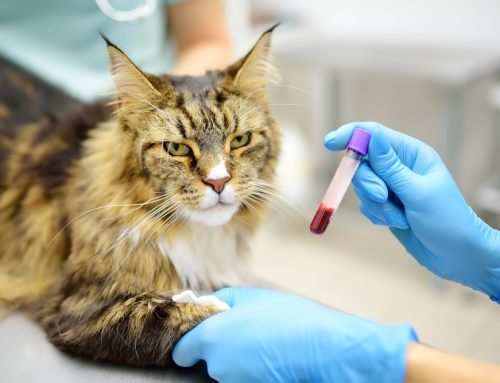
Staging determines how far the cancer has spread, which directly affects treatment decisions and prognosis. The most important staging step is three-view chest radiographs to look for visible lung metastasis. Baseline bloodwork and urinalysis confirm that a pet is healthy enough for anesthesia or further treatment.
At Peak Pet Urgent Care, we can start this process the same day with digital X-rays and in-house lab testing. If biopsy or advanced imaging is needed, we arrange those services and coordinate with specialty partners. We provide a written summary to your family veterinarian so everyone involved in your pet’s care has the information they need to move forward.
When Is Amputation the Right Decision?
This is the question most owners struggle with, and it deserves an honest answer. Amputation is the most effective way to eliminate the source of bone pain and remove the primary tumor. For most dogs with limb osteosarcoma, it provides the greatest and most immediate improvement in comfort and quality of life.
Will My Dog Be Okay on Three Legs?
Dogs adapt remarkably well to life after amputation, and often much faster than owners expect. Once the source of severe bone pain is removed, most dogs are more comfortable, more willing to move, and visibly happier within days of surgery. Many owners say their dog seemed to get their personality back almost immediately.
What Makes a Dog a Good Candidate for Amputation?
Not every dog is the right candidate, and we’re straightforward about that. Factors we evaluate include:
- Overall health and body condition. Dogs who are at a healthy weight and don’t have serious concurrent diseases (advanced heart, kidney, or liver disease) are generally good candidates.
- Mobility before surgery. Dogs who were still reasonably mobile on three legs, compensating for the painful limb, tend to adapt faster.
- Orthopedic health of the remaining limbs. Severe arthritis or injury in other legs can complicate recovery, though it doesn’t automatically rule out amputation.
- Very large, heavy dogs may face more challenges adapting, but many giant breeds still do well. Body condition matters more than breed alone.
- Owner goals and support. Recovery requires some short-term management at home, including controlled activity, non-slip surfaces, and monitoring the incision.
When Might Amputation Not Be Appropriate?
If staging reveals extensive metastasis and the pet’s overall condition is declining, surgery may not improve quality of life enough to justify the recovery period. In those situations, focused pain management and palliative care may be the more compassionate path. We’ll help you think through that honestly.
Limb-sparing procedures exist for highly selected cases, but they require very specific tumor locations, access to advanced surgical facilities, and carry significant complication risk. Our role is to help identify whether your dog might be a candidate and facilitate referral when appropriate.
Peak Pet Urgent Care provides surgical services including amputation and comprehensive pain control, from preoperative planning through recovery. We tailor pain management using multimodal medications and nerve blocks, and because we’re an urgent care facility, many pets go home the same day with detailed instructions.
How Do You Support a Dog After Amputation?
Recovery from amputation is typically faster than most owners anticipate, but thoughtful support at home makes a real difference.
The first two weeks focus on incision care, pain management, and short, controlled leash walks. Most dogs are bearing weight on three legs within a day or two of surgery. Set up the house for safe movement: non-slip rugs or mats on hard floors, a ramp for getting in and out of the car, and block access to stairs until your dog is steady.
Weeks two through six are about building confidence and stamina. Gradually increase walk length, let your dog find their own pace, and watch for signs of fatigue. Short, frequent outings work better than one long walk.
Long-term adjustments include maintaining a healthy body weight (this is one of the most important things you can do for a three-legged dog), providing supportive harnesses for uneven terrain or tiring days, and keeping up with regular veterinary check-ins to monitor for signs of metastasis and manage any developing arthritis in the remaining limbs.
Emotionally, many owners struggle more than their dogs do. It’s normal to grieve the loss of a limb even when you know the decision was right. Give yourself time, and know that most dogs adjust with a resilience that surprises everyone around them.
What Comes After Surgery?
Because osteosarcoma has a high tendency to spread, oncology referral is often recommended after amputation. Chemotherapy aims to slow or control microscopic metastasis and can extend both lifespan and quality time. Many dogs tolerate modern protocols far better than people expect. Pet owner resources from the Veterinary Cancer Society can help you understand what systemic treatment involves. Immunotherapy treatment is an evolving area that may benefit some patients, and if radiation is appropriate, locating radiation facilities near you helps keep care on track.
Oncology decisions don’t have to be made immediately. Our role at Peak Pet Urgent Care is to manage the acute problem, whether that’s pain, diagnosis, or surgery, and then connect you with specialists who can guide the next phase based on staging results and your goals for your pet.
Planning for Costs: What to Expect at Urgent Care
Cancer care involves both emotional and financial decisions, and you deserve transparency without pressure. At Peak Pet Urgent Care, we provide written estimates before non-critical procedures so you know what to expect. For families exploring payment options, information about cancer treatment financing can help with planning.
If your pet needs care beyond our scope, we stabilize, start diagnostics, and arrange transfer so you can focus on your pet.
Living With Osteosarcoma: Keeping Comfort at the Center
Whether your dog has had surgery, is receiving ongoing treatment, or you’ve chosen a palliative approach, quality of life is what guides every decision. Many pets enjoy meaningful, comfortable time with their families when pain is well managed and follow-ups are consistent.
We focus on practical pain management that combines anti-inflammatories with adjunct medications to keep discomfort low and activity feeling good. Mobility support like traction mats, ramps, supportive harnesses, and careful weight control protects joints and reduces the risk of slips. Regular rechecks and periodic imaging help us reassess pain, watch for complications, and adjust medications as needs change.
Know the home cues that signal a pain spike or complication: increased panting at rest, reluctance to get up, sudden appetite loss, or a new cough (which can indicate lung metastasis). If a crisis occurs, our urgent care services are here seven days a week. When it’s time to discuss palliative-only care or end-of-life decisions, we guide those conversations respectfully and at your pace.
If your dog is newly diagnosed or you’re noticing signs that worry you, visit our page on what to expect so arrival, triage, and next steps feel clearer.
Frequently Asked Questions
Will my dog be able to walk after amputation? Most dogs adapt quickly and return to comfortable activity once surgical pain subsides and bone tumor pain is gone. Short, frequent walks and safe footing at home help the transition. Many owners are surprised by how fast their dog adjusts.
Does every dog with osteosarcoma need chemotherapy? Not always. Chemotherapy is commonly recommended because of the high metastatic risk, but the decision depends on your goals, your dog’s overall health, and staging results. Some families choose surgery and comfort care without pursuing systemic therapy, and that’s a valid choice.
How fast does osteosarcoma spread? This cancer is considered aggressive, and microscopic spread to the lungs is often already present at the time of diagnosis, even when chest X-rays look clean. That’s why staging and a clear plan matter so much.
What’s a pathological fracture? A bone break that happens through tumor-weakened bone during normal activity, not from significant trauma. These are emergencies because of the severe pain and the fact that the bone can’t heal normally. If your dog has a known bone tumor and suddenly can’t use a leg, come in immediately.
When is urgent care the right place to start? If your pet is limping, painful, or has a swollen limb but is otherwise stable, urgent care is the right starting point. We image, control pain, and create a coordinated plan. Life-threatening emergencies like uncontrolled bleeding or respiratory distress should go directly to a 24-hour facility.
Moving Forward With Clarity and Support
Osteosarcoma is aggressive, but timely surgery, focused pain management, and coordinated specialty care can provide real comfort and meaningful time with your dog. You don’t have to navigate this alone, and you don’t have to have all the answers right now.
If your dog is limping, has a painful or swollen limb, or has just received a diagnosis, walk in during our open hours or contact us to discuss next steps. Review our surgical services to see how we can help, and know that our team will triage promptly, coordinate with your family veterinarian, and keep your pet’s comfort at the center of every decision.



Leave A Comment