

When Your Dog’s Ear Swells: Understanding Ear Hematomas
If you’ve noticed your dog shaking their head more than usual or pawing at their ear, you’re right to be concerned. These behaviors often signal an underlying problem that, without intervention, can progress to a painful and disfiguring condition called an ear hematoma- blood trapped between skin and cartilage. Left untreated, it can lead to permanent deformity.
At Peak Pet Urgent Care, our team provides urgent care for ear hematomas. We’re here to relieve the pain, treat the cause, and help prevent recurrence so your pet can get back to their normal, playful selves faster.
What Causes a Dog’s Ear to Swell?
The Science Behind Ear Hematomas
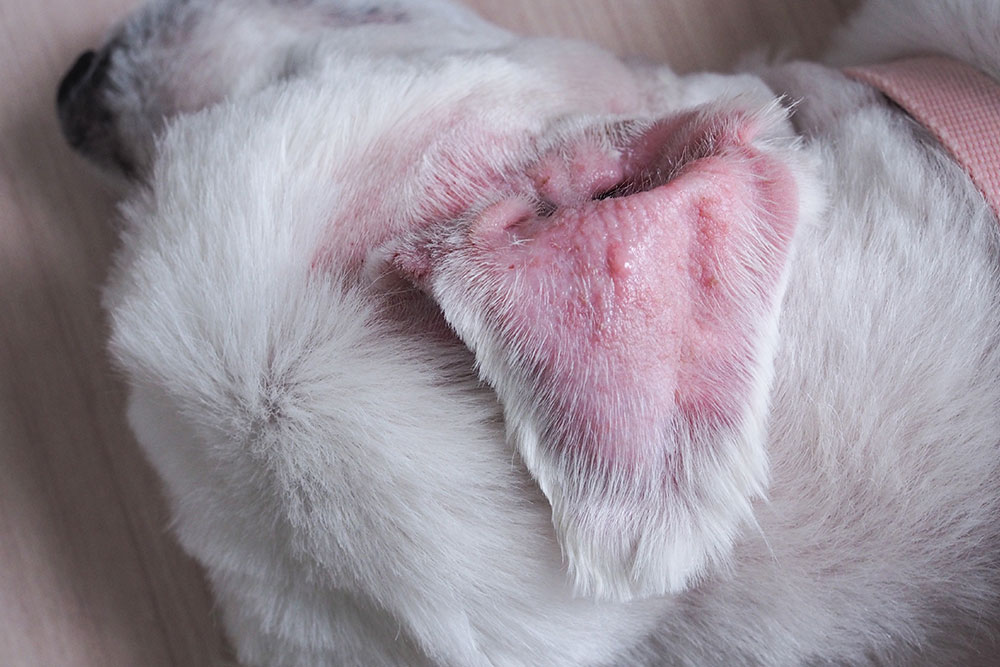
An ear hematoma in dogs occurs when blood vessels inside the ear flap rupture, causing blood to pool between the skin and cartilage. The result is a soft, fluid-filled swelling that can range from grape-sized to encompassing the entire ear.
Unlike a simple bruise, ear hematomas don’t resolve on their own. The trapped blood creates pressure and inflammation, and without treatment, the ear cartilage can become permanently scarred and deformed, resulting in what’s commonly called a “cauliflower ear.”
Common triggers include:
- Vigorous head shaking from ear infections or allergies
- Scratching or trauma to the ear flap
- Underlying skin conditions that cause intense itching
- Injuries from rough play or accidents
The underlying cause is almost always something that makes your dog shake their head or scratch excessively. Understanding that ear hematomas are secondary to another issue is crucial. Treating only the hematoma without addressing what caused it will likely result in recurrence.
Recognizing the Warning Signs
What to Watch For in Your Dog
The symptoms of an aural hematoma in small animals are usually obvious, though some pet owners initially mistake the swelling for an insect bite or allergic reaction.
Key symptoms include:
- A soft, warm, fluid-filled swelling on the inner or outer ear flap
- Persistent head shaking or tilting
- Frequent scratching at the affected ear
- Sensitivity or pain when the ear is touched
- Drooping of the affected ear
The swelling typically develops rapidly, sometimes overnight, and can affect one or both ears. Dogs may also seem uncomfortable or restless, and some will hold their head at an unusual angle to relieve pressure.
If you notice these signs in your dog, it’s time to seek veterinary attention. While ear hematomas aren’t life-threatening emergencies, prompt treatment prevents complications and reduces your dog’s discomfort significantly.
Why Do Ear Hematomas Develop?
Understanding the Root Causes
While the immediate cause of an ear hematoma is ruptured blood vessels, the real question is what led to the trauma in the first place. Identifying and treating the underlying condition is essential to prevent future hematomas.
Ear infections are the most common culprit. Otitis externa causes inflammation, itching, and discomfort that drives dogs to shake their heads violently. Bacterial or yeast infections create an environment where repeated trauma becomes inevitable.
Allergies are another frequent trigger. Whether environmental or food-related, dog allergies often include intense ear itching. Dogs with chronic allergies may develop recurrent ear problems that increase their risk for hematomas.
Breed predisposition also plays a role. Dogs with long, floppy ears like Basset Hounds, Cocker Spaniels, and Bloodhounds are more susceptible because their ear anatomy traps moisture and limits airflow, creating ideal conditions for infection. However, any breed can develop an ear hematoma if the circumstances are right.
Other contributing factors include ear mites, foreign objects lodged in the ear canal, autoimmune conditions affecting the ear tissue, and direct trauma from fights or accidents.
At Peak Pet Urgent Care, our experienced team can evaluate your dog’s ears and help determine what’s causing the problem, ensuring comprehensive treatment rather than just addressing the visible swelling.
How Veterinarians Treat Ear Hematomas
Medical and Surgical Options
Treatment for ear hematomas focuses on draining the accumulated blood, preventing recurrence, and addressing the underlying cause. The approach depends on the size of the hematoma, how long it’s been present, and what’s causing your dog’s ear irritation.
Drainage procedures involve removing the fluid with a needle and syringe, sometimes combined with corticosteroid injections to reduce inflammation. While this method is less invasive, hematomas often refill, requiring repeated treatments.
Surgical intervention provides more definitive results. During surgery, the veterinarian makes an incision to drain the hematoma completely, then places sutures through the ear flap to prevent fluid from reaccumulating. This technique also helps the skin reattach to the cartilage properly, minimizing scarring and deformity.
Post-surgical care typically includes pain medication, antibiotics if infection is present, and an Elizabethan collar to prevent your dog from scratching or shaking during healing.
Addressing the underlying cause is equally important. This might involve treating an ear infection with appropriate medications, managing allergies through diet changes or immunotherapy, or performing veterinary ear cytology to identify specific pathogens.
At Peak Pet Urgent Care, we provide comprehensive evaluation and treatment for ear hematomas as part of our urgent care services.
Preventing Future Ear Problems
Home Care and Long-Term Management
Once your dog’s ear hematoma has been treated, preventing recurrence becomes the priority. This requires consistent attention to ear health and addressing any conditions that cause head shaking or scratching.
Regular ear cleaning helps maintain healthy ears, especially in breeds prone to infections. Use veterinarian-recommended cleaning solutions and techniques to remove debris and excess moisture without causing irritation. However, over-cleaning can also cause problems, so follow your veterinarian’s specific recommendations for your dog. Understanding how to clean your dog’s ears properly becomes essential during recovery and for long-term prevention.
Prompt treatment of infections and allergies stops problems before they escalate. If you notice your dog scratching their ears, shaking their head frequently, or developing an odor from their ears, put on the cone and schedule a veterinary visit quickly rather than waiting to see if it resolves on its own.
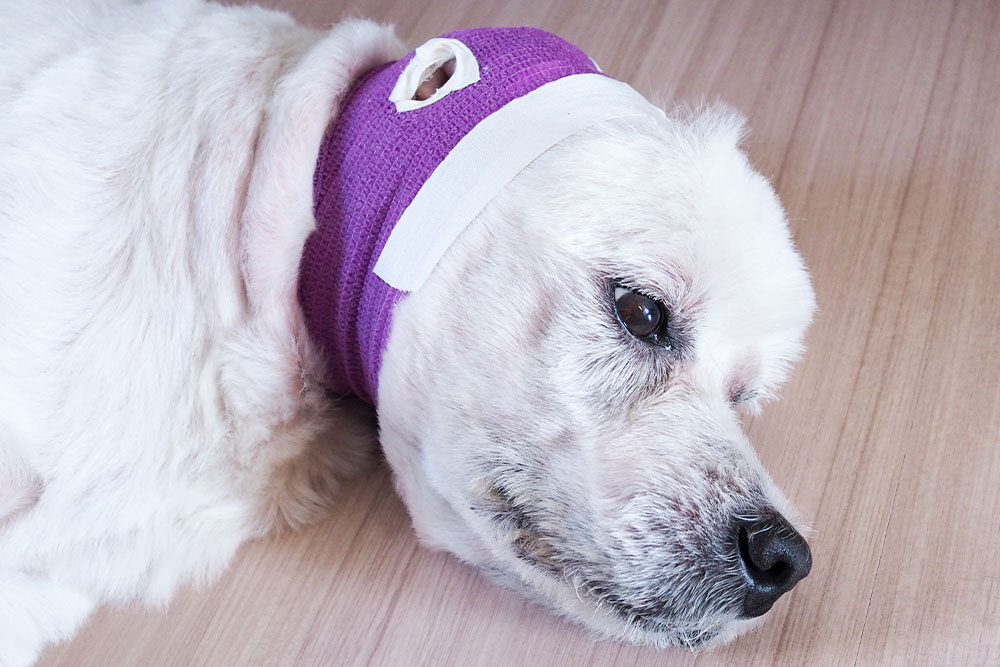
Protective devices can help during the healing phase. Products like the No Flap Ear Wrap secure the ears against the head, reducing movement and preventing further trauma while hematomas heal. These wraps also minimize head shaking that could damage surgical repairs.
Because ear hematomas often indicate an underlying chronic condition, establishing a relationship with a veterinary practice that understands your dog’s history is valuable. While Peak Pet Urgent Care provides excellent urgent treatment, we also coordinate with your primary veterinarian by providing discharge summaries to ensure continuity of care.
When to Seek Urgent Care for Your Dog’s Ear
An ear hematoma requires veterinary attention, but it’s exactly the type of condition Peak Pet Urgent Care is designed to handle. We’re the missing piece between your regular veterinarian and emergency care, providing walk-in services for urgent but not life-threatening situations.
If you notice ear swelling, persistent head shaking, or signs of pain in your dog, don’t wait for it to worsen. Our team triages patients and sees the sickest first, ensuring your dog receives prompt, professional care without the wait and expense of an emergency hospital.
Visit Peak Pet Urgent Care today. Early intervention makes all the difference in your dog’s comfort and long-term ear health.



Leave A Comment