


Is That Lump on My Pet Something Serious? A Guide to Skin Masses
You’re giving your dog a belly rub or brushing your cat when your fingers pause over something unexpected- a small bump beneath the fur. Your heart skips a beat as questions flood your mind: What is this? How long has it been there? Should I be worried?
Discovering a lump on your pet can feel alarming, and professional evaluation is the best way to determine exactly what you’re dealing with. At Peak Pet Urgent Care in Reno, our veterinary team performs complete physical exams and uses advanced diagnostics like cytology, ultrasound, and our in-house laboratory to identify lumps and provide same-day treatment for most conditions. Whether you’ve just noticed a new bump or have concerns about a changing mass, don’t hesitate to contact us to schedule an appointment.
Why Every Lump Deserves a Veterinary Evaluation
Only a veterinarian can determine a lump’s cause with certainty. Skin masses come in countless varieties. A small, soft bump could be a cyst, a fatty tumor, or an abscess. A firm nodule might represent inflammation, scar tissue, or something more serious. This is why veterinarians rely on diagnostic tools to see beyond the surface. Appearance alone rarely tells the full story.
Early diagnosis matters. When caught promptly, even serious conditions often have simpler treatment options and better outcomes. Many types of cancer in pets respond well to intervention when addressed early. Infections and abscesses benefit from quick drainage and antibiotics before complications arise.
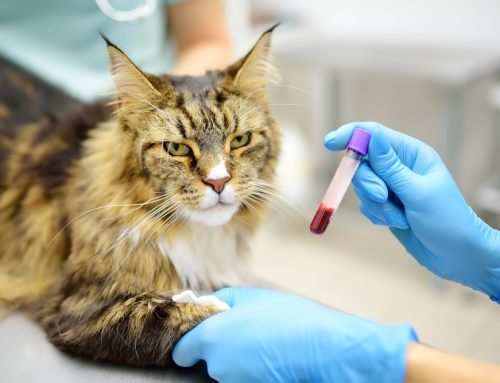
At our Reno facility, we use digital X-rays, ultrasound, and cytology to characterize lumps accurately. Our in-house laboratory analyzes samples immediately, often providing answers during your visit. Before we proceed with diagnostics, we’ll discuss a treatment plan and provide an estimate so you can make informed decisions. Peak Pet Urgent Care accepts same-day appointments for urgent pet care near you.
Common Benign Growths
Many lumps are non-cancerous, though they still require veterinary confirmation and monitoring. Lipomas are soft, movable fatty tumors common in middle-aged and older dogs. They typically grow slowly but may need removal if they restrict movement or cause discomfort.
Sebaceous cysts feel like small marbles under the skin and may occasionally rupture, releasing thick material. Warts and skin tags are common in aging pets, while young dogs sometimes develop oral papilloma virus lesions that look like tiny cauliflowers in the mouth.
Even benign growths can require surgical removal if they become large, cause pain, or become infected. Never assume a growth is “nothing to worry about”.
Infections and Inflammatory Swellings
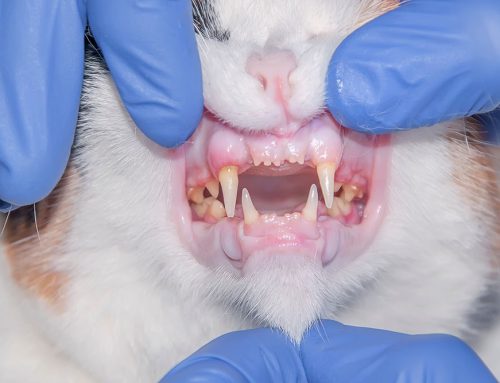
Many lumps arise from infection or inflammation. A cat abscess forms when bacteria enter through a bite wound, creating a painful pocket of pus that may rupture and drain, often on the face and legs or feet. A tooth root abscess can cause a swollen lump on the face or behind the eye, requiring draining and removal of the affected tooth. Our urgent care facility provides same-day treatment, including abscess repair and drainage.
Allergic reactions sometimes cause hives– raised, itchy bumps that appear suddenly. Allergies can also cause interdigital furunculosis– painful nodules between the toes. These are extremely difficult to tell apart from abscesses from foxtails. Here in Reno, plant material like foxtails commonly penetrates the skin, causing sudden swelling and pain, especially between the toes- but abscesses from foxtails can occur anywhere on the body.
Allergies and foxtails can also contribute to swellings of the ear flap. An ear hematoma creates fluid-filled swelling in the ear pinna following trauma or head shaking and requires veterinary drainage. These often occur from head shaking due severe or chronic ear infections, commonly caused by allergies and foxtails.
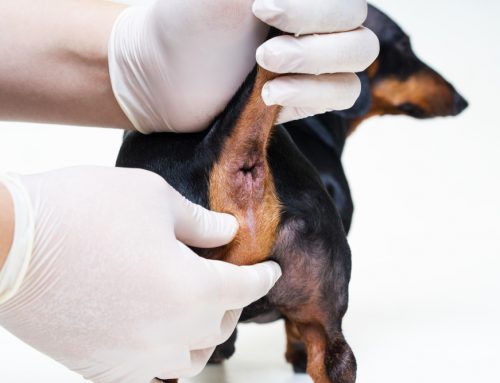
Anal sac diseases cause swelling near the rectum when glands become impacted or infected. Without assessment, these can be hard to tell apart from anal gland tumors. At Peak Pet Urgent Care, we provide anal sacculectomy for chronic cases and anal gland cancers.
Recognizing Cancerous Skin Tumors
Some lumps are malignant and require aggressive treatment. Knowing the signs of cancer in pets helps you seek evaluation when it matters most.
Mast cell tumors are among the most frequently diagnosed types of skin cancer in dogs and can appear as anything from a small nodule to a large, ulcerated mass- they can even feel like a lipoma, which is why diagnostic testing is essential. These tumors may wax and wane in size, and the surrounding skin might appear red or swollen.
Melanoma occurs in the skin, mouth, and nail beds as darkly pigmented growths that can metastasize if not removed early. Oral melanomas are particularly aggressive and require prompt intervention. Malignant histiocytoma is a rapidly spreading cancer that often affects younger to middle-aged dogs and can appear as single or multiple skin nodules.
Cats face risks from squamous cell cancer on sun-exposed areas like ear tips and noses, particularly in white-furred felines.
Other Common Tumor Types
Many tumors can be felt through the skin, even though they originate from other places.
Osteosarcoma, a bone cancer, creates firm swellings over affected limbs and causes lameness. Oral tumors grow inside the mouth, sometimes appearing as lumps along the gumline or causing facial swelling.
Mammary tumors are common in both dogs and cats. Canine mammary tumors appear as firm masses in the mammary glands along the abdomen, with about half being malignant. Feline mammary tumors tend to be more aggressive, with the majority being cancerous.
Early detection dramatically improves prognosis. If you notice a rapidly growing lump, ulceration, bleeding, or a firm, irregular mass, schedule an evaluation immediately. Peak Pet Urgent Care’s surgical capabilities allow us to biopsy and remove suspicious masses, and we coordinate with trusted partners for specialized care when needed.
How Veterinarians Diagnose Masses
A lump’s appearance provides clues, but definitive diagnosis requires laboratory analysis. We begin with a thorough physical exam, assessing size, location, texture, mobility, and associated symptoms.
For many lumps, we perform skin cytology– a fine needle aspirate that collects cells for microscopic examination. This quick procedure often distinguishes between infection, inflammation, benign growths, and cancer. Our in-house laboratory processes samples rapidly.
When cytology is inconclusive or suggests cancer, a surgical biopsy provides comprehensive analysis. Imaging with x-ray and ultrasound helps us assess whether a tumor has spread to lymph nodes or internal organs.
Red Flags That Mean Prompt Attention
Watch for these warning signs:
- Sudden appearance or rapid growth
- Ulceration or bleeding
- Pain or firmness
- Color or texture changes
- Recurrence after removal
Remember: “If you can feel it, we should see it.” It’s always better to have it checked out. If you discover something worrisome, call us for same-day evaluation.

Treatment Options Depend on Diagnosis
Benign masses may require monitoring or removal if they’re growing, causing discomfort, or interfering with normal function. Most pets go home the same day with at-home care instructions.
Infections and abscesses respond to drainage, flushing, and antibiotics.
Cancerous tumors may require wide surgical excision, chemotherapy, radiation therapy, or combinations of these approaches. We coordinate with oncology specialists for complex cases requiring hospitalization or advanced treatment, and we provide your family veterinarian with complete medical records. For additional support, explore these veterinary oncology resources.
Early diagnosis expands treatment options and improves outcomes.
Trust Your Instincts and Seek Professional Guidance
Every lump deserves attention. Whether you’ve discovered a tiny bump during grooming or noticed rapid growth in an existing mass, professional evaluation provides clear answers.
At Peak Pet Urgent Care in Reno, NV, our veterinary team combines advanced diagnostics with compassionate care to evaluate lumps quickly and thoroughly. Our in-house laboratory, digital imaging, and surgical capabilities mean we can diagnose and address many conditions during a single visit, with most pets released the same day.
Don’t spend days worrying. Call us today to schedule a consultation, and let our team provide the answers and care your pet deserves. Your pet’s health and your peace of mind are our top priorities.



Leave A Comment