


How to Recognize Serious Bleeding and When It Becomes an Emergency
A cut that keeps bleeding despite pressure or nosebleed that won’t stop can turn into a frightening situation very quickly. Continuous bleeding can indicate a deeper laceration, a damaged vessel, or even an underlying clotting problem. Recognizing when home care is no longer enough helps prevent infection, blood loss, and unnecessary pain.
At Peak Pet Urgent Care in Reno, we treat non-stop bleeding as a priority and provide immediate evaluation to determine whether a pet needs suturing, vessel ligation, bandaging, or further diagnostic testing. Our team manages everything from auto-immune clotting problems to bite wounds and deep lacerations requiring repair. If your pet’s bleeding isn’t slowing or you’re unsure how serious the wound may be, contact us for guidance so we can stabilize the injury and start treatment right away.
Bleeding That Will Not Quit: What Pet Owners Need to Know Now
You press a clean towel to a nicked paw or a scratched ear and expect the bleeding to ease within minutes. When it doesn’t, worry grows, especially if bandages soak through, dripping continues, or bruises appear without a clear reason. Knowing what’s normal, what isn’t, and when to seek urgent care helps you act quickly.
At Peak Pet Urgent Care, we bridge the gap between your family vet and a 24/7 ER. We triage pets upon arrival, seeing the sickest first, and offer online check-in to streamline your visit. If you’re unsure whether your pet’s condition requires urgent pet care, call us and our team can help you decide.
This guide covers how clotting should work, clear emergency signs, simple first aid, common causes of excessive bleeding, and what to expect if your pet needs suturing or testing at our Reno clinic. We provide comprehensive care for both dogs and cats experiencing bleeding emergencies.
Normal Clotting Versus Abnormal Bleeding
In a healthy pet, clotting starts within minutes and bleeding slows to a light ooze. Gentle, steady pressure helps. If bleeding continues beyond 10–15 minutes despite firm pressure, or the blood looks watery and never clots, that’s a red flag that needs prompt emergency care.
Other warning patterns:
- Spontaneous nosebleeds or bleeding gums without trauma
- Unexplained bruises or pinpoint red spots
- Deep punctures or gaping cuts, especially on ears, tongues, and paws
Because ongoing bleeding can be from a serious wound or a clotting problem, timely assessment matters. Our veterinarians use exam findings and in-house diagnostics to evaluate clotting and look for triggers such as rodenticide exposure, immune disease, or liver issues. We perform complete physical exams and may recommend blood work or X-rays to determine the underlying cause.
Signs Your Pet’s Bleeding Is an Emergency
Seek immediate care if you see:
- Spurting blood or bleeding that rapidly soaks through multiple layers
- Wounds on the chest or abdomen, especially with painful breathing or a distended belly
- Pale/gray gums, fast breathing, weakness, collapse, or cool paws (possible shock)
- Bleeding from multiple sites (gums plus nose, urine, or stool)
- A wound that keeps reopening or can’t be compressed
Go straight to your nearest emergency facility while applying pressure to the bleeding area.
First Aid Before You Travel
Simple steps can help while you head in:
- Apply firm, direct pressure with clean gauze or a towel for a full 10–15 minutes without lifting to check.
- If blood soaks through, add layers on top, don’t remove the first compress.
- Elevate a limb above heart level if possible while maintaining pressure.
- Keep your pet calm and still.
Avoid removing embedded objects or using a tourniquet unless a vet instructs you to. Don’t give human pain meds; many are unsafe and can worsen bleeding. Contaminated bite wounds often need flushing and antibiotics. Jagged lacerations in high-motion areas usually need suturing to heal correctly.
Unsure what to do? We can talk you through first aid and transport for your pet’s size and temperament. Reach us at (775) 484-8400 before you head in.
When a Broken Toenail Won’t Stop Bleeding
Cracked, broken, or torn nails are one of the most common causes of bleeding that owners struggle to control at home. The nail bed has a rich blood supply, and even a minor break can bleed persistently, especially if your pet licks the area or walks on the injured paw.
The key to stopping toenail bleeding is preventing your pet from disturbing the clot. Styptic powder applied with gentle pressure helps seal the blood vessel quickly. If you don’t have styptic powder, cornstarch or flour can work in a pinch. Hold the powder against the nail for at least 30 seconds without peeking.
An e-collar (cone) is essential. Licking restarts bleeding every time, and walking on the nail before it’s fully clotted does the same. Keep your pet calm and still for at least 20 to 30 minutes after the bleeding stops.
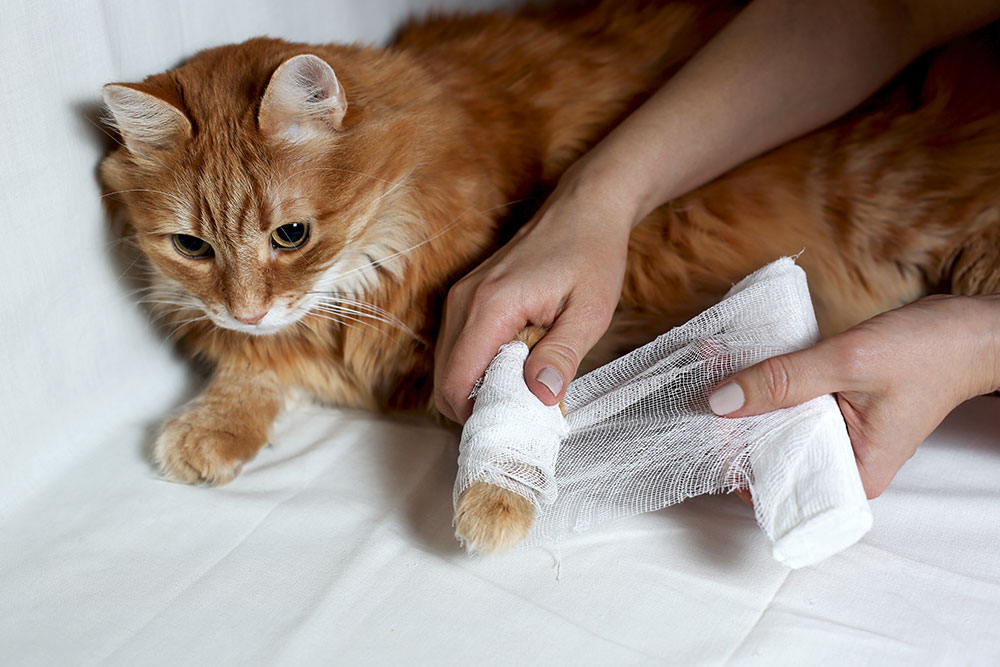
One important caution: wrapping feet or legs can be dangerous if done improperly. A bandage that’s too tight restricts blood flow and can cause serious tissue damage within hours. If you feel the need to cover the paw, use only a loose, temporary wrap and remove it as soon as possible. If bleeding continues despite styptic powder and rest, or the nail is hanging or partially attached, bring your pet in for evaluation.
When Nosebleeds Signal Something Serious
A nosebleed without an obvious injury is rarely just a minor issue. Unlike a cut paw or torn nail, spontaneous nasal bleeding usually points to an underlying problem that needs prompt evaluation.
Possible causes include clotting disorders, high blood pressure, foreign objects lodged in the nasal passage, fungal infections, nasal tumors, or dental disease that has extended into the sinus cavity. Pets with immune-mediated thrombocytopenia or rodenticide poisoning often show nosebleeds as an early sign.
If your pet has a nosebleed, keep them calm and quiet. You can apply a cold compress to the bridge of the nose, but don’t tilt their head back or pack the nostrils. Note whether the bleeding is from one nostril or both, and whether there’s sneezing, facial swelling, or discharge.
Even if the bleeding stops on its own, schedule an evaluation promptly. We can check platelet counts, clotting times, and blood pressure, and recommend imaging if needed to identify the cause.
Why Some Pets Bleed More: Common Causes
Some pets bleed heavily from even small injuries, while others develop spontaneous bleeding without trauma. Common causes include:
Blood and Immune Disorders
- Anemia can cause weakness, pale gums, and heavier bleeding with minor cuts.
- Immune-mediated hemolytic anemia may occur alongside clotting abnormalities.
- Immune-mediated thrombocytopenia leads to low platelets, causing nosebleeds, bleeding gums, and pinpoint skin hemorrhages.
We can quickly check platelet counts, red cell levels, and clotting times in-house using our on-site laboratory and coordinate transfers if specialty care is needed.
Rodenticide Poisoning
Rodenticide exposure is a common and serious cause of abnormal bleeding. Many rat and mouse poisons contain anticoagulants that interfere with vitamin K and prevent normal clotting. Signs may not appear until days after ingestion, when internal or external bleeding suddenly develops. If you suspect your pet has eaten rodent bait, bring them in immediately, even if they seem fine. Early treatment with vitamin K can prevent a life-threatening crisis.
Cancer-Related Bleeding
- Sun-exposed areas in pets are at risk for squamous cell cancer, which can ulcerate and bleed.
- Many skin cancers start subtle and later bleed or get infected.
We control active bleeding, place pressure bandages, and, when appropriate, remove bleeding masses through our urgent surgical procedures, coordinating with oncology when needed. For internal bleeding from ruptured splenic masses, we can perform emergency splenectomy to stabilize your pet.
When to Seek Veterinary Care
Come in promptly if:
- Bleeding doesn’t slow or stop within 10–15 minutes of firm pressure
- Your pet shows shock signs (pale gums, rapid breathing, weakness, cool extremities)
- There are multiple bleeding sites, chest/abdominal wounds, or blood in urine, stool, or vomit
- Your pet has a known clotting disorder or possible rodenticide exposure
- Nosebleeds occur without trauma or recur frequently
On arrival, we triage, stabilize, and create a clear plan and estimate. Before diagnostics or treatment (unless critical), we provide a treatment plan and an estimate with a range of charges for your approval. Care may include pressure bandages, sutures, pain control, IV fluids, and, if needed, blood or plasma support. For immediate guidance during open hours, use online check-in or call (775) 484-8400.
How We Find the Cause
We determine whether bleeding is local or systemic with:
- Complete blood count (red cells, white cells, platelets)
- Coagulation panels (clotting times)
- Chemistry and urinalysis (liver and kidney function)
- Imaging (X-rays/ultrasound) for internal bleeding, foreign bodies, or masses
- Targeted tests for suspected toxins or immune disease
Most core tests are available in-house for faster answers through our in-house laboratory, digital X-ray, and ultrasound units. The majority of pet illnesses and injuries can be treated at our facility, with pets released the same day with at-home care instructions.
Treatment: Stopping the Bleed and Managing the Cause
Care depends on the cause:
- Traumatic wounds: control bleeding and close tissue as needed with sutures or surgical ligation through our laceration repair Some wounds benefit from staged procedures or advanced bandaging. Infection-prone injuries like abscesses may need lancing and drains, which we address through our abscess repair services.
- Clotting problems: some pets need blood or plasma transfusions. Immune-mediated issues are treated with medications that protect red cells or platelets. Rodenticide exposure requires vitamin K and monitoring.
- Bleeding tumors: when appropriate, we can remove masses through urgent surgical procedures and coordinate oncology care.
Our veterinary team can perform urgent surgeries including laceration repair. For complex cases requiring hospitalization, we coordinate care with trusted partners for transfer. We provide your family veterinarian with a copy of your pet’s medical record to ensure continuity of care.
Longer-term, we may recommend rechecks, periodic blood work, activity adjustments to reduce injury risk, and a clear crisis plan.
Preventing Bleeding Crises
- Keep rodenticides, anticoagulant meds, and toxins secured; use pet-safe pest control.
- For at-risk pets, limit rough play and sharp chew items; alert groomers and boarding facilities.
- Keep a basic first-aid kit with gauze, cohesive bandage, styptic powder, and clean towels.
If you’re concerned about your pet’s bleeding risk, our clinicians can outline a monitoring plan and when urgent care is appropriate. We’re open seven days a week to serve you when your pet’s condition feels important but not life-threatening.
Your Partners in Swift, Compassionate Bleeding Care
A wound that won’t stop bleeding deserves a veterinary evaluation. Apply steady pressure, keep your pet calm, don’t remove embedded objects, and seek care if bleeding persists past 10–15 minutes or if you see shock signs. Whether the cause is a deep laceration, contamination, a clotting disorder, or an underlying tumor, prompt care improves comfort and outcomes.
If your pet is bleeding now or you’re unsure how urgent it is, use online check-in or call us at (775) 484-8400 for immediate guidance. You can also contact us with any questions, so we can help your pet get back to their peak.




Leave A Comment