

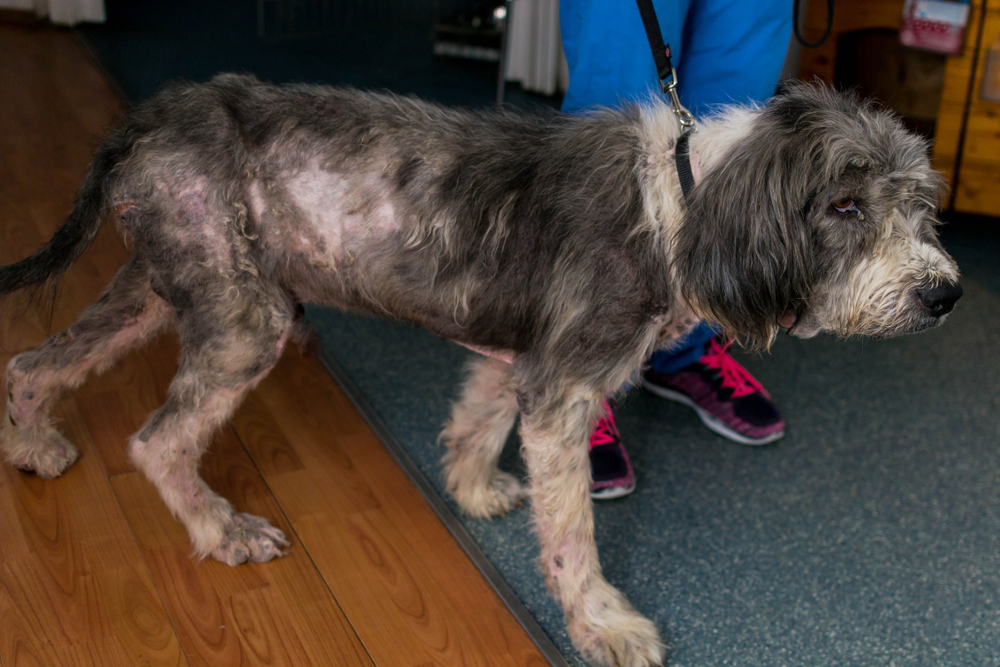
From constant scratching to unexplained bald spots, hair loss is a symptom worth investigating. Common causes include fleas, food sensitivities, and thyroid disease. Treating the source rather than the symptom is the key to restoring a healthy coat.
At Peak Pet Urgent Care, our experienced veterinary team provides comprehensive diagnostics to identify why your pet is losing hair and develop targeted treatment plans that bring relief and restore their coat to health.
What Causes Hair Loss in Dogs and Cats?
Alopecia refers to partial or complete hair loss that results from skin irritation, hormonal imbalances, parasites, infections, or psychological stress. While normal shedding happens seasonally, bald patches, persistent itching, or sudden thinning signal an underlying problem that requires veterinary attention.
Hair loss manifests differently depending on the cause. Some pets develop symmetrical bald spots without itching, while others scratch constantly until raw patches appear. Cats may overgroom themselves until their belly or legs are nearly bare.
Understanding that alopecia is a symptom rather than a diagnosis helps pet owners recognize the importance of professional evaluation. Only veterinary diagnostics can confirm the exact reason and guide effective treatment.
Why Is My Pet Losing Hair? Common Causes Explained
Multiple conditions can trigger hair loss in cats and dogs, ranging from external parasites to internal hormonal disorders. Identifying the root cause requires careful examination and often laboratory testing.
Allergies: The Most Common Culprit Behind Itchy Skin
Allergies rank among the leading causes of hair loss in pets. Environmental allergens like pollen, dust mites, and mold trigger inflammatory responses that make pets scratch, lick, and chew their skin until bald patches form.
Allergy symptoms and treatment vary widely but often include red, inflamed skin, chronic ear infections, and hair loss around the face, paws, and belly. Dogs may chew their feet obsessively or rub their faces on furniture to relieve discomfort.
Food sensitivities can also trigger allergic reactions. Common culprits include beef, dairy, chicken, and wheat. Elimination diets help identify problem ingredients, but the process requires patience and strict adherence to veterinary guidance.
Parasites and Infections That Damage the Coat
External parasites and fungal infections cause distinct patterns of hair loss. Fleas remain the most common parasite, but mites and ringworm also create significant problems.
Spotting and treating mites in dogs requires veterinary diagnostics. Sarcoptic mange causes intense itching and crusty skin, while demodectic mange creates patchy hair loss without much scratching. Ear mites trigger head shaking and hair loss around the ears.
Flea allergy in cats causes intense itching from even a single flea bite, leading to overgrooming and hair loss along the back, tail base, and hindquarters. Consistent flea and tick prevention stops allergic reactions before they start and protects against other parasitic diseases.
Ringworm is a fungal infection, not a worm, that causes circular bald patches with scaly edges. It spreads easily between pets and people, making prompt diagnosis and treatment essential. Veterinarians use fungal cultures or special ultraviolet lights to confirm ringworm infections.
Indoor pets are not immune to parasites. Fleas and allergens can enter homes on clothing, shoes, or through open windows. Skin scrapings, fungal cultures, and cytology help identify the specific parasite or infection causing hair loss.
Hormonal Imbalances That Cause Symmetrical Hair Loss
When hair loss appears on both sides of the body in identical patterns without itching, hormonal disorders are likely culprits. These conditions affect internal gland function and require blood work for diagnosis.
Hypothyroidism occurs when the thyroid gland produces insufficient hormones. Hypothyroidism in dogs causes thinning hair, darkened skin, weight gain, and lethargy. The coat becomes dry and brittle, and hair regrows slowly after clipping.
Cushing’s disease results from excess cortisol production. Treating Cushing’s disease in dogs requires lifelong medication management. Affected dogs develop thin skin, pot-bellied appearance, increased thirst, and gradual hair loss across the trunk.
Sex hormone imbalances occasionally cause hair loss in unneutered males with testicular tumors. Testicular tumors in dogs produce abnormal hormone levels that affect coat quality and growth patterns.
Importance of blood work extends beyond diagnosing hormonal conditions. Comprehensive panels evaluate organ function, detect metabolic disorders, and establish baseline values for future comparison.
Genetic Conditions That Run in Certain Breeds
Some breeds inherit specific types of alopecia that appear predictably based on genetics. While these conditions cannot be prevented, understanding breed predispositions helps owners recognize symptoms early.
Color dilution alopecia in dogs affects blue, fawn, and silver-coated breeds. Hair shafts break easily, creating patchy thinning that worsens over time. No cure exists, but gentle grooming and moisturizing shampoos minimize discomfort.
Canine flank alopecia causes seasonal bald patches along both flanks. The condition appears cyclically, often during winter months, and hair typically regrows without treatment. Light therapy may help in severe cases.
Stress-Induced Overgrooming in Cats
Psychogenic alopecia describes hair loss caused by excessive grooming related to stress or anxiety. Cats experiencing environmental changes, new pets, or household disruptions may overgroom until bald patches appear on their belly, legs, or flanks.
Feline life stressors include litter box problems, lack of vertical space, insufficient play opportunities, and conflicts with other pets. Addressing these stressors through environmental enrichment, pheromone diffusers, and consistent routines often reduces overgrooming behaviors.
Unlike skin disease, psychogenic alopecia produces clean, smooth skin without redness, scales, or infection. However, veterinarians must rule out medical causes before diagnosing stress-related grooming.
Nutritional Deficiencies and Grooming Mistakes
Poor nutrition affects coat quality and growth. Diets lacking essential fatty acids, proteins, or vitamins produce dull, brittle hair that breaks easily. Balanced, high-quality pet foods provide the nutrients necessary for healthy skin and coat maintenance.
Why pets need regular grooming goes beyond aesthetics. Brushing distributes natural oils, removes dead hair, and allows owners to spot skin problems early. Harsh shampoos or excessive bathing strip protective oils and damage hair follicles.
How Veterinarians Diagnose the Root Cause
Identifying why your pet is losing hair requires thorough veterinary examination and targeted diagnostics. Our team performs comprehensive evaluations that examine the skin, coat, and overall health.
Physical examination reveals patterns of hair loss, skin texture changes, and signs of inflammation or infection. Veterinarians check for parasites, assess coat quality, and palpate for masses or glandular abnormalities.
Diagnostic testing may include:
- Skin scrapings to identify mites or bacteria
- Fungal cultures to detect ringworm
- Cytology to examine cells and microorganisms
- Blood work to evaluate thyroid and adrenal function
- Allergy testing or dietary elimination trials
At Peak Pet Urgent Care, we provide in-house diagnostics that deliver rapid results. This approach allows us to begin appropriate treatment quickly, minimizing your pet’s discomfort and preventing secondary complications.
When cases require specialized care beyond what urgent care covers, we coordinate transfers and provide detailed discharge summaries to your family veterinarian.
Treatment Approaches That Restore Healthy Coats
Treatment success depends entirely on addressing the underlying cause rather than simply treating symptoms. Once diagnostics identify the problem, targeted therapy can begin.
Allergy management may involve antihistamines, prescription diets, medicated shampoos, or immunotherapy. Environmental control reduces allergen exposure, while consistent parasite prevention eliminates flea-related reactions.
Parasite treatment includes prescription preventives for fleas and mites, plus thorough environmental cleaning. Ringworm requires antifungal medications and isolation to prevent spread.
Hormonal therapy addresses thyroid or adrenal disorders through daily medication. Some conditions require surgery to remove hormone-producing tumors.
Infection control uses antibiotics for bacterial infections and antifungals for yeast overgrowth. Medicated shampoos support healing and reduce secondary complications.
Behavior modification for stress-induced grooming includes environmental enrichment, pheromone therapy, and anxiety medication when necessary. Creating predictable routines and safe spaces helps anxious cats feel secure.
Follow-up appointments ensure treatment effectiveness and allow adjustments as needed. Most pets show significant improvement within weeks, though complete coat regrowth may take several months.

Preventing Hair Loss Through Proactive Care
While some causes of alopecia cannot be prevented, proactive care reduces risk and catches problems early when they are easiest to treat.
Year-round parasite prevention protects against fleas, ticks, and mites that trigger allergic reactions and skin infections. Even indoor pets benefit from consistent prevention.
Balanced nutrition provides the building blocks for healthy skin and coat. High-quality diets rich in omega fatty acids support coat growth and reduce inflammation.
Regular grooming allows you to monitor your pet’s skin condition and catch changes early. Weekly brushing removes loose hair and distributes natural oils that protect skin and coat.
Routine veterinary visits with your primary care veterinarian establish baseline health and identify subtle changes before they become serious problems.
When to Seek Veterinary Care for Hair Loss
Hair loss accompanied by itching, red skin, or behavioral changes warrants prompt veterinary attention. Early intervention prevents secondary infections, reduces discomfort, and shortens treatment time.
Most cases of alopecia can be successfully treated once the underlying cause is identified. With professional diagnostics and consistent care, pets regain healthy, shiny coats and return to comfortable, happy lives.
If you notice new bald spots, persistent scratching, or changes in your pet’s fur texture, contact us at Peak Pet Urgent Care. Our walk-in facility provides comprehensive evaluations and immediate treatment for urgent dermatologic concerns. We’re here for you to help diagnose and address the source of your pet’s hair loss.



Leave A Comment