

How Much Does Urgent and Emergency Vet Care Cost? A Guide on What to Expect Financially
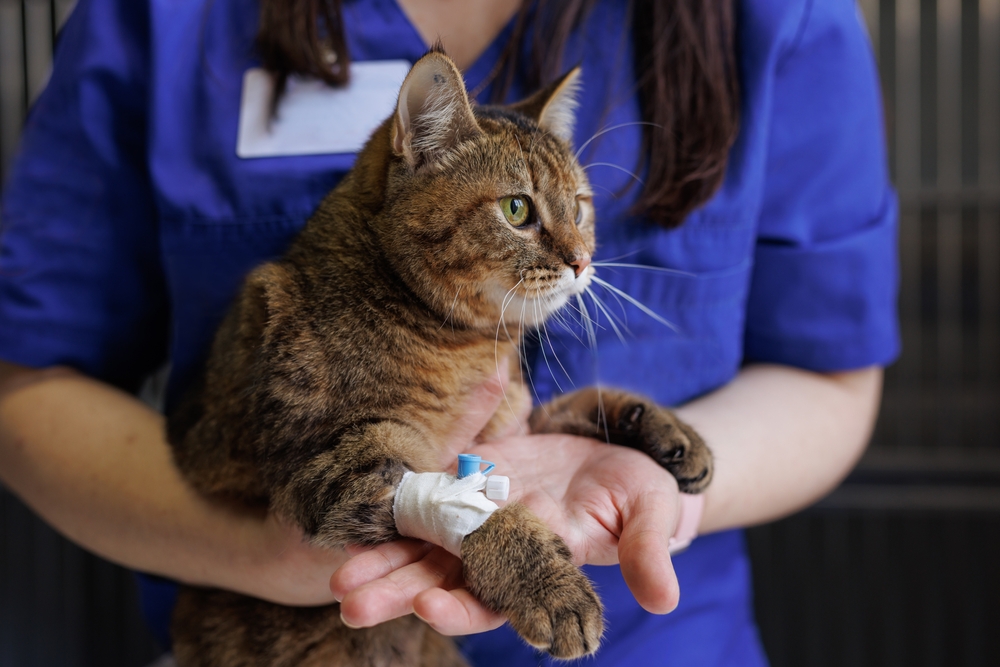
Nobody expects a pet emergency, and the sticker shock that comes with emergency veterinary care catches most pet families off guard. Whether your dog ate something it should not have, your cat is straining to urinate, or your pet picked up a foxtail at the trailhead, the costs add up quickly because of what time-sensitive care actually involves: immediate triage, rapid diagnostics, pain management, and sometimes procedures that cannot be delayed. The numbers are not arbitrary. They reflect the staff, equipment, medications, and monitoring required to stabilize your pet and get them on the path to recovery.
Here is the part many families do not realize: a lot of situations that feel like emergencies can actually be handled at urgent care for significantly less than a 24-hour emergency hospital would charge. At Peak Pet Urgent Care, we believe in transparency about what care costs and why. We provide treatment estimates before procedures so you know what to expect, and we accept a range of payment options including Cherry payment plans, CareCredit, and ScratchPay to help manage costs. Our walk-in care is open seven days a week, and our team is ready to help when something cannot wait for a regular vet appointment. Call us at (775) 484-8400 or walk in for a same-day evaluation in Reno.
Why Urgent and Emergency Care Costs More Than a Regular Appointment
A standard veterinary appointment is scheduled in advance, staffed for a predictable workflow, and handles conditions that have been developing over time. Urgent and emergency care is structurally different in ways that drive higher costs.
Staffing: experienced veterinarians and technicians must be available immediately, on demand, on weekends and holidays. That coverage is built into operational costs regardless of how many patients arrive in a given hour.
Equipment: anesthesia machines, surgical suites, digital radiography, ultrasound, IV pumps, oxygen equipment, and specialized scopes for endoscopy and rhinoscopy are required to be functional and ready at all times. This equipment is expensive to acquire, maintain, and calibrate.
Medications: sedation, reversal agents, controlled substances for pain management, and emergency medications must be stocked even if they are rarely used. Shelf life and storage requirements add to the cost.
Speed: stabilizing a patient rapidly requires doing multiple things at once. A team of two to three people may work on a critically ill patient simultaneously, which reflects in the cost of care.
How Urgent Care Saves You Money Compared to a 24-Hour Emergency Hospital
Urgent care fills the gap between a regular veterinary appointment and a full emergency hospital. The cost difference between the two settings is real, and for the right kind of case, urgent care can save families hundreds to thousands of dollars while still providing the timely care your pet needs.
What makes urgent care more affordable than a 24-hour emergency hospital:
- Same-day procedures without overnight critical care fees:many issues that seem severe can be treated and discharged the same day rather than requiring 24 to 48 hours of intensive monitoring
- No overnight staffing premium:emergency hospitals operate around the clock, and that staffing model is reflected in their pricing structure
- we see a range of conditions that our team is set up to address efficiently, from wound care to GI issues to ear and eye problems, without the need and expense to be prepared at all times for extremely critical patients or severe trauma like an ER
For situations that genuinely require 24-hour critical care, surgical specialists, or overnight ICU monitoring, an emergency hospital is the right place. But for the many in-between situations, urgent care is faster, less expensive, and just as appropriate.
How Pet Size and Severity Affect the Bill
Two pets with the same diagnosis can have very different costs. The two biggest variables are body weight and disease severity.
Body weight: every medication in veterinary medicine is dosed by weight. A 90-pound Labrador receiving IV fluids, sedation, antibiotics, and pain medication requires two to three times the volume of every drug compared to a 30-pound dog with the same condition. Larger pets also require more human help: a 120-pound dog requires three people to move them, compared to a ten-pound cat.
Severity on arrival: a pet who arrives stable enough for a calm examination costs less to work up than a pet in respiratory distress requiring immediate oxygen supplementation, sedation, and imaging simultaneously. The urgency of what needs to happen first drives both the pace and the resources deployed.
Breed and temperament differences: Additional monitoring required for brachycephalic breeds and anesthesia, extra skill needed for placing a catheter on a tiny toy breed or senior cat, sedation or extra hands needed when a pet is uncooperative or frightened, or certain breeds with special blood types requiring extra testing add to the cost of any procedure.
What Common Pet Issues Actually Cost
Veterinary care costs vary by region, practice type, and case complexity. The following gives a general picture of what common urgent care presentations typically involve.
Foreign Body Obstruction
Gastrointestinal foreign body obstruction occurs when dogs swallow socks, hair ties, corn cobs, toy pieces, or other objects that become lodged. Most dog families have had a near-miss. When an object actually obstructs, normal digestive flow stops, tissue begins to die, and without treatment, the bowel can rupture.
The cost depends heavily on where the object is located and how long it has been there. If caught very quickly, usually within 4 hours or less, sometimes we can give the pet a medication causing them to vomit it back up. If the object is still in the stomach or upper GI tract, endoscopy often allows us to retrieve it without surgery. Foreign body retrieval by endoscopy costs significantly less than abdominal surgery, recovery is much faster, and there is no surgical incision to heal. This is one of the clearest examples of how getting in early at urgent care, before an object has migrated into the intestines, can save thousands of dollars.
When an object has moved beyond endoscopic reach or has caused significant tissue damage, abdominal exploratory surgery is the next step. This involves general anesthesia, a surgical incision, removal of the object, and assessment of bowel viability. Costs commonly run between $3,000 and $7,000 depending on what is found, whether bowel resection is required, imaging needed, and if the pet needs hospitalization. Endoscopic retrieval, when feasible, typically falls in the $1,500 to $3,000 range depending on pet size, imaging required, and time involved. Inducing vomiting with imaging to ensure the object is gone is likely $1000 or even less.
Urinary Problems (From UTI to Stones to Blockage)
Urinary issues span a wide range of severity, and the cost varies accordingly.
A simple urinary tract infection in dogs presents with frequent urination, accidents in the house, blood in the urine, or excessive licking. Workup involves examination, urinalysis, and antibiotics, typically running between $200 and $500.
Bladder stones are a step up in complexity. Bladder stones form from minerals in the urine and can range from sand-like grit to large rocks that prevent normal urination. Imaging confirms the diagnosis, and treatment may involve dietary dissolution for some types of stones or cystotomy surgery to remove them. A cystotomy with bloodwork, imaging, anesthesia, and the procedure itself typically runs $1,500 to $3,500.
Urethral obstruction in male cats is the most urgent end of the urinary spectrum. Crystals, mucus plugs, or inflammation block urine flow, causing pain that escalates quickly, kidney damage from toxin accumulation, and cardiac complications from electrolyte imbalance. Without treatment within 24 to 48 hours, it can be fatal. Treatment involves urethral catheterization, IV fluids, cardiac support, and hospitalization for monitoring until normal urination resumes. Costs typically range from $1,000 to $2,500.
If your cat is straining and producing nothing, do not wait. Coming in immediately, before significant kidney damage occurs, both saves your cat and reduces total cost compared to waiting until the pet is critical.
Foxtail Injuries
Foxtails are a regional reality in northern Nevada and across the West. These barbed grass awns embed in skin, ears, eyes, nostrils, between toes, and elsewhere, and the design of the seed means they migrate inward rather than working their way back out. Preventing and treating foxtail injuries is a significant part of summer dog care in our area.
Where the foxtail lodges determines what is needed:
- In the ear:sudden head shaking, scratching at one ear, or tilting the head usually means a foxtail in the ear canal. Otoscopy under sedation allows us to visualize and remove the foxtail before it perforates the eardrum. Cost typically runs $300 to $800.
- In the nose:violent sneezing fits, often with bleeding from one nostril, suggests a foxtail has been inhaled. Rhinoscopy under sedation lets us locate and retrieve it, usually in the $800 to $1,500 range.
- strong>Under the skin:foxtails that enter through the paw or skin migrate inward and can form draining tracts and abscesses. Abscess repair involves surgical exploration of the tract, foxtail removal, and wound management, typically $500 to $1,500.
The earlier a foxtail is found and removed, the lower the cost and the simpler the procedure. A foxtail that has been migrating for days or weeks before treatment can require more extensive surgery and longer recovery.
What Happens During an Urgent Care Visit
We have a written guide on what to expect before, during, and after a visit, but the basic flow looks like this:
Triage: your pet is assessed immediately on arrival for life-threatening signs. Stabilization begins before a full workup when needed.
Exam and estimate: after stabilization, the exam provides a clearer picture. We explain what we found, what diagnostic steps we recommend, and what treatment involves. A written estimate is reviewed with you before non-emergency procedures begin.
Diagnostics: bloodwork, imaging, and other testing confirm the diagnosis and guide treatment choices. Some tests may need to be repeated during treatment.
Treatment and monitoring: ranges from discharge with medications, to same-day urgent surgery.
Discharge and follow-up: written discharge instructions, medications, and recheck recommendations are reviewed before your pet goes home.
Payment Options
Financing Programs
Time-sensitive care costs are real, and we work with financing partners to help make treatment accessible:
- Cherry payment plans:flexible payment plans we offer directly through our practice
- CareCredit:healthcare credit line with deferred interest plans
- ScratchPayflexible payment plans with rapid approval
Applications can typically be completed on a mobile device in the waiting area. Our team can assist.
Financial Assistance Resources
If cost is a barrier, our financial resources page outlines additional assistance options. National and regional programs include:
- Pet financial assistance resourcescompiled by Best Friends Animal Society
- RedRover Reliefurgent care grants
- Bow Wow Buddiesgrants for dogs facing life-threatening illness
- Pet Assistance Inclow-income assistance programs
- Frankie’s Friendscardiac and emergency care grants
Pet Insurance: The Best Preparation
Pet insurance works best when enrolled early, before illness or injury occurs, because policies exclude pre-existing conditions. A puppy or kitten enrolled at their first wellness visit starts with a clean slate. Comparing insurance plans before choosing one makes a meaningful difference; deductibles, reimbursement percentages, and annual limits vary significantly between providers.
If insurance is not currently in place, a dedicated pet savings account of $1,000 to $3,000 covers most urgent care situations and provides the same peace of mind without monthly premiums.
Planning for Your Pet’s Specific Risks
Knowing your pet’s individual risk profile helps with financial planning. High-risk breeds include:
- Deep-chested dogs like Great Danes, Weimaraners, and German Shepherds at risk for GDV
- Long-backed breeds like Dachshunds and Corgis at risk forintervertebral disc disease
- Brachycephalic breeds at risk for respiratory crises
- Male cats at risk for urethral obstruction
- Young pets of all species at risk for swallowing things they should not
Saving for pet emergencies specifically for high-risk situations provides a financial cushion proportional to the likely need.
When something feels wrong and you are not sure if it’s an emergency, the right call is to call us: (775) 484-8400. We will help you decide whether to come in or head straight to an emergency hospital. We would rather evaluate a pet who turns out to be fine than have you wait when something is genuinely urgent.
Frequently Asked Questions
Will I get an estimate before tests are run?
After examination and any necessary stabilization, a written estimate is reviewed with you before additional diagnostics or procedures. We provide updates if the plan changes during treatment.
Does Peak Pet accept pet insurance?
Payment is due at time of service. We help document what was done so you can submit a reimbursement claim to your insurance provider.
How is urgent care different from an emergency hospital?
Urgent care handles time-sensitive issues that need same-day attention but do not require 24-hour critical care or specialized surgical referral. We can treat and discharge most patients the same day, which keeps costs lower than an overnight stay at an emergency hospital. For true critical emergencies, an emergency hospital with overnight ICU is the right place.
Can I transfer to my regular vet after stabilization?
When appropriate and safe, we coordinate the transfer and send records so your primary care veterinarian has the full picture.
Ready When You Need Us
Peak Pet Urgent Care is open seven days a week specifically because urgent issues do not follow business hours. Our team is set up to handle a wide range of same-day situations efficiently and at a lower cost than a 24-hour emergency hospital. Contact us at (775) 484-8400 with questions, or walk in when your pet needs to be seen today.





Leave A Comment