

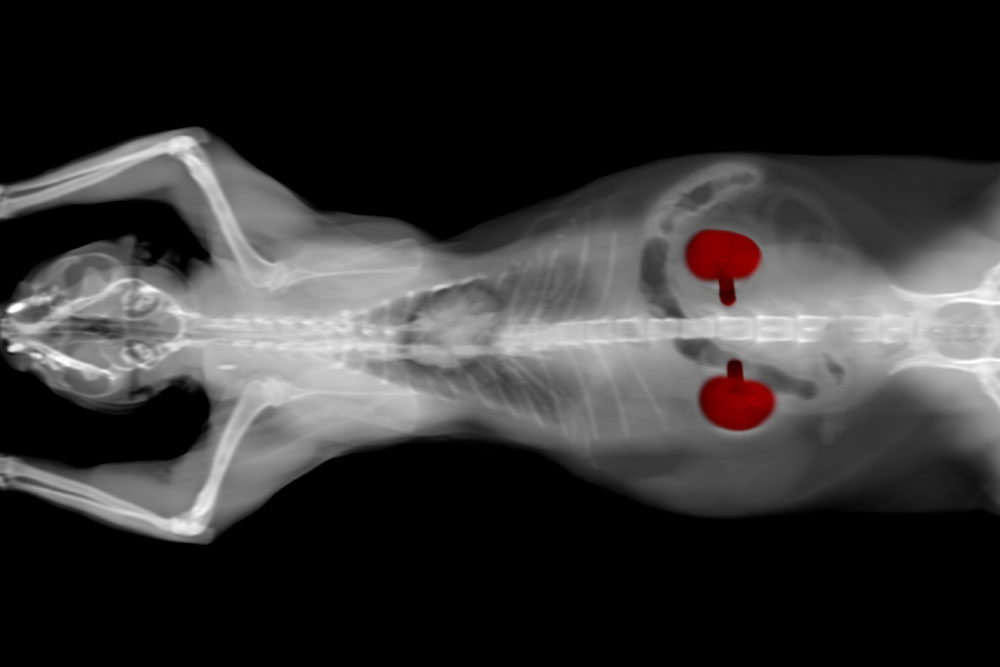
Chronic kidney disease usually moves slowly. Pets often live for months or years with the condition, managed through diet adjustments, medications, and regular monitoring. That is the picture most families learn to expect after the diagnosis: a steady, manageable arc. But there are moments when the picture can shift quickly, turning a stable kidney patient into a pet who needs to be seen today. A flare-up after months of stability, sudden dehydration, vomiting that will not stop, a urinary problem on top of weakened kidneys, or a new toxin exposure can all turn a chronic case into an urgent one.
Peak Pet Urgent Care in Reno sees kidney cases across the urgency spectrum, from pets who arrive in obvious distress to those who come in because a routine blood panel showed a sharp change. Our urgent care services are set up to handle the acute situations that kidney patients can face, with same-day diagnostics that let us quickly figure out where your pet stands and what they need right now. If your pet with known kidney disease seems suddenly worse, or if new lab results have you worried, contact us right away.
Key Facts
- Chronic kidney disease usually progresses slowly, but kidney patients can have sudden bad days that need same-day attention, especially involving dehydration, persistent vomiting, sudden weight loss, or high blood pressure events.
- The SDMA blood test catches kidney disease earlier than the older creatinine test, often by months or years, which gives your veterinary team a much wider window to slow the disease and protect remaining kidney function.
- Diet, hydration, blood pressure control, and treatment of nausea are the four pillars of long-term kidney disease management; getting all four right tends to translate into more good days for your pet.
- Kidney disease cannot be reversed, but it can be slowed substantially, and pets diagnosed early often live well for years after the diagnosis.
What Is Chronic Kidney Disease in Pets?
What Chronic Kidney Disease Means
Chronic kidney disease is a progressive condition where kidney function gradually declines over months to years. The kidneys are essentially the body’s filtration system, pulling waste products out of the bloodstream, balancing fluids and electrolytes, helping regulate blood pressure, and signaling the body to make red blood cells. As kidney function fades, all of those jobs start to suffer.
The frustrating thing about kidney disease is that it is sneaky in the early stages. Most pets show no outward signs until the disease has already progressed significantly, often to the point where 65 to 75 percent of kidney function is gone. By the time you notice the classic changes (drinking more water, urinating more, losing weight, picking at food, occasional vomiting), the kidneys have been struggling for a while. This is why routine screening matters so much. Catching the disease early opens a much wider window for treatment.
Kidney disease cannot be reversed, but it can absolutely be slowed. When the disease is identified early, secondary complications are managed proactively, and families stay in close communication with the veterinary team, pets often do remarkably well even with a chronic diagnosis.
Staging Kidney Disease With IRIS Guidelines
The IRIS kidney disease staging system is the international standard for classifying how advanced a pet’s kidney disease is. Staging matters because it shapes treatment, follow-up timing, and what to expect going forward.
| Stage | What It Means |
| Stage 1 | Earliest stage; usually no visible signs and only subtle changes in blood values |
| Stage 2 | Mild disease; subtle changes you might notice include slightly increased drinking or mild weight changes |
| Stage 3 | Moderate disease; appetite, drinking, urination, and energy changes are usually noticeable |
| Stage 4 | Advanced disease; significant impact on daily life and overall comfort |
Stages are further fine-tuned based on whether protein is leaking into the urine and whether blood pressure is elevated, both of which affect how aggressively the disease should be treated.
What Role Does Lab Testing Play in Early Detection?
Senior pet care recommendations include kidney function as a core part of biannual screening once pets enter their senior years.
Preventive testing for senior pets commonly includes:
- Complete blood count and chemistry panel including SDMA
- Urinalysis to check how well the kidneys are concentrating waste and whether protein is leaking through
- Blood pressure measurement
- Thyroid screening (especially in senior cats)
- Annual heartworm and tick-borne disease testing
Some pets need more frequent or expanded panels: breeds with kidney predispositions, pets on long-term medications that affect kidneys, pets with recurring urinary tract infections, and pets recovering from acute kidney insults. Your regular veterinarian shapes that schedule based on your pet’s specific risk profile.
SDMA is a newer blood test that has changed how we screen for early kidney disease. For senior pets, cats, and pets who have lost weight, SDMA is often the very first signal that something is going on with the kidneys, sometimes years before creatinine starts to rise.
Why Does Urine Testing Matter?
Healthy kidneys are picky about what they let through. They filter waste out of the blood while keeping useful things like protein in the bloodstream. When the kidney’s filtering structures get damaged, the urine becomes too dilute and protein starts leaking through into the urine where it does not belong. Urinalysis is the best way to determine if this damage is occurring.
What Complications Should You Watch for in Kidney Disease?
Kidney disease rarely operates in isolation. Several secondary issues develop alongside it, and these are often what brings a stable kidney patient into urgent care. Watching for them at home helps you catch problems before they become emergencies.
Nausea, Vomiting, and Weight Loss
As the kidneys lose ability to filter waste, those waste products build up in the bloodstream and cause nausea, decreased appetite, and intermittent vomiting. This is one of the most common reasons families bring a kidney patient in. Treating nausea and appetite loss in cats with kidney disease is a core part of long-term care, and the same principles generally apply to dogs.
Signs to watch for:
- Skipping meals or eating much less than usual
- Vomiting once or twice over a few days, even if mild
- Picking at food rather than eating with enthusiasm
- Bad breath that smells unusual or ammonia-like
- Drooling or licking the lips frequently (a nausea sign in cats especially)
Weight loss often follows. Weight loss in cats is rarely benign at any age and is particularly worth investigating in senior cats, since it is one of the most common early signs of kidney disease, hyperthyroidism, or diabetes. A pound or two on a 10-pound cat is a big proportional change.
Sudden severe nausea or vomiting in a kidney patient often signals decompensation that needs urgent evaluation. Persistent vomiting causes dehydration, dehydration causes worsening kidney values, and worsening kidney values cause more vomiting. Breaking that cycle with prompt intervention, including anti-nausea medication, fluid support, and appetite stimulants, can prevent a full crisis.
Dehydration
Dehydration is one of the most important things to track in any pet with kidney disease, and probably the single most common reason kidney patients end up in urgent care. The kidneys have lost the ability to concentrate urine, which means pets are losing more water than they should every time they urinate. If water intake does not keep up (and it often does not, especially when nausea suppresses drinking), dehydration develops quickly.
The tricky part is that mild dehydration can look like ordinary tiredness. Signs to watch for:
- Sunken-looking or duller eyes
- Tacky or dry-feeling gums (run a finger along the gum, it should feel slick, not sticky)
- Skin that stays tented when you gently pinch it rather than springing right back
- Increased lethargy or weakness
- Less interest in food or water
- Vomiting that is not stopping (which makes dehydration worse fast)
A dehydrated kidney patient can decompensate quickly. Mild dehydration is often treatable with subcutaneous fluids (given under the skin) at home or in clinic, but moderate to severe dehydration usually needs IV fluids and a few hours of monitoring to fully turn the corner. Pets who present to our urgent care with acute dehydration often go home much more comfortable after a fluid session, ready to resume their regular care plan.
High Blood Pressure
Managing high blood pressure in kidney patients is non-negotiable because the consequences of uncontrolled pressure are severe:
- Sudden blindness: pressure damage to the retina can cause retinal detachment and irreversible blindness within hours
- Brain effects: producing disorientation, seizures, and unusual behavior
- Heart strain: sustained pressure overload changes the structure of the heart
- Faster kidney damage in an already-struggling system
A kidney patient who suddenly bumps into things, seems disoriented, develops dilated pupils, or has a seizure may be having a blood pressure event. Same-day evaluation and emergency blood pressure treatment can prevent permanent damage.
Anemia
Healthy kidneys produce a hormone that signals the bone marrow to make red blood cells. Failing kidneys produce less of that hormone, which leads to anemia that worsens as kidney disease advances.
Signs that suggest significant anemia:
- Pale gums or pale tissue around the eyes (compare to normal pink)
- More fatigue and less stamina than usual
- Decreased appetite
- Weakness or collapse in advanced cases
Mild anemia is monitored. More significant anemia is treated with iron and B-vitamin supplementation, injectable medications that stimulate red blood cell production, and occasionally transfusion for severe cases.
Bone, Calcium, and Phosphorus Changes
Kidney disease disrupts the balance between calcium and phosphorus in the body. As the kidneys lose the ability to excrete phosphorus efficiently, levels rise, calcium drops, and the body tries to compensate by pulling calcium out of the bones. Over time, these changes lead to weaker bones, soft tissue calcium deposits that can accelerate kidney damage, and increased cardiovascular complications.
Management focuses on keeping phosphorus in check through diet (therapeutic kidney foods are formulated with restricted phosphorus) and phosphorus-binding medications when diet alone is not enough.
Hyperthyroidism Coexisting in Senior Cats
In senior cats, hyperthyroidism and kidney disease frequently coexist, and the relationship between them is complicated. Hyperthyroidism can mask kidney disease by increasing blood flow through the kidneys, which makes kidney values look better than they actually are. Once the hyperthyroidism is treated, those kidney values often look worse, not because the disease has progressed but because the previously-hidden severity is finally visible.
This is why thyroid testing is essential before, during, and after starting kidney disease management in senior cats.
How Does Diet Help Manage Kidney Disease in Pets?
Why Therapeutic Kidney Diets Work
Prescription kidney diets are one of the most evidence-supported interventions for slowing kidney disease. They are not just regular food with less of something. They are specifically formulated to:
- Provide high-quality protein in the right amount (enough to maintain lean muscle, reduced overall to ease metabolic workload)
- Restrict phosphorus to prevent the calcium and bone problems described above
- Boost omega-3 fatty acids for their anti-inflammatory effects
- Add antioxidants and extra B-vitamins since pets with kidney disease lose more in their urine
- Concentrate calories so pets can maintain weight even with reduced appetite
Studies have consistently shown that pets on therapeutic kidney diets live longer and stay more comfortable than pets eating regular maintenance food.
Supporting Hydration Through Food and Fluids
Hydration is a big deal in kidney disease. Pets with kidney disease are constantly losing more water than healthy pets, so anything that helps them take in more fluids is a win.
Strategies for maintaining hydration:
- Feed wet food since wet versus dry food differ dramatically in moisture content (roughly 70 to 80 percent water in wet food versus 8 to 10 percent in dry)
- Offer water in multiple locations around the home
- Use pet water fountains since many pets drink more from moving water
- Add a splash of bone broth or low-sodium broth to food to bump up both moisture and palatability
- Offer ice cubes for pets who enjoy them
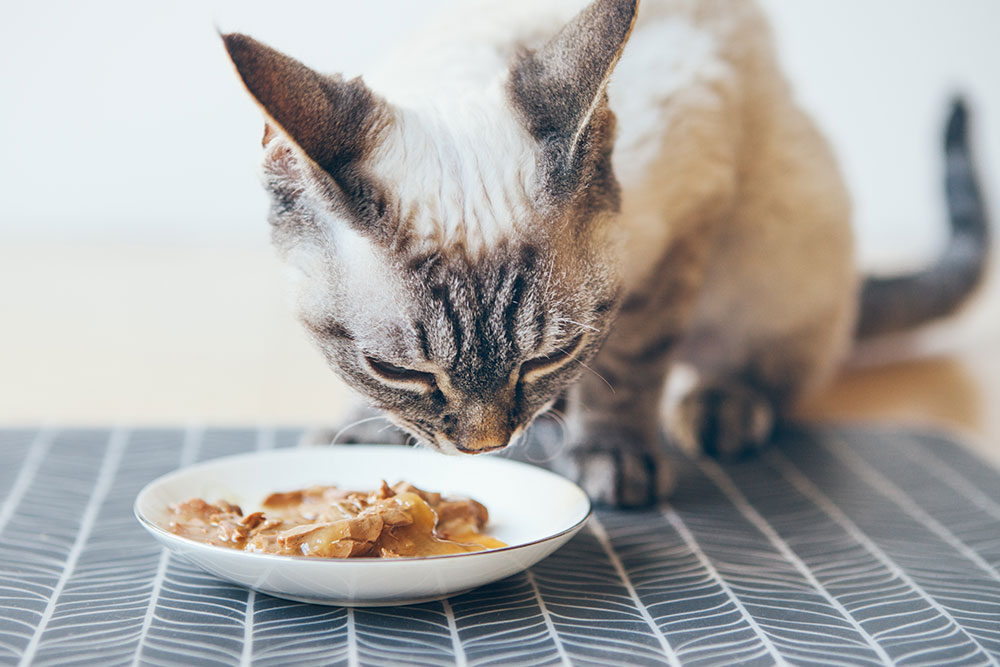
For pets with advanced kidney disease, drinking alone often is not enough. Subcutaneous fluid administration at home becomes a regular part of care for many kidney cats and some dogs. The fluid goes under the skin between the shoulder blades and absorbs over a few hours into the bloodstream. Most families learn to do this with practice and proper instruction from your regular veterinarian.
Frequently Asked Questions About Kidney Disease in Pets
How long can pets live with chronic kidney disease?
Highly variable. Pets diagnosed in IRIS Stage 1 or 2 with proactive management often live for years. Stage 3 typically gives 6 months to 2 years with good management. Stage 4 is more guarded, often months. The earlier the diagnosis, the longer the prognosis.
What signs mean my kidney patient needs to be seen urgently?
Sudden vomiting that does not stop, complete loss of appetite for more than a day, severe lethargy, collapse, sudden disorientation or behavior changes, signs of bleeding, pale gums, or any major worsening from baseline. When in doubt, calling and describing the situation is always the right move.
Can kidney disease be cured?
No. Chronic kidney disease cannot be reversed because kidney tissue, once damaged, does not regenerate. It can be slowed substantially with proper management, and pets can live well for considerable time.
Should I be giving fluids at home?
Many kidney patients benefit from at-home subcutaneous fluids, particularly in moderate-to-advanced stages. Your regular veterinarian determines whether your specific pet would benefit and provides training and supplies if appropriate.
My cat is still drinking water but seems off. Should I wait or come in?
Coming in is usually the right call. Cats with kidney disease can decompensate even while drinking, because nausea and uremic toxins can build up quickly. A quick check of hydration status, kidney values, and electrolytes can prevent a small problem from becoming a bigger one.
Supporting Your Pet Through Kidney Disease Changes
Early detection through blood and urine screening, therapeutic diets, blood pressure management, and careful monitoring genuinely change how kidney disease unfolds. Pets diagnosed early and supported through consistent monitoring across the months and years often live well for a long time after diagnosis.
Our team at Peak Pet Urgent Care is here for the moments between scheduled rechecks, when something acute develops or when something just feels off. We offer walk-in urgent care for pets in Reno, and we work closely with your regular veterinarian to keep your pet’s care connected. If your pet’s kidney disease seems to be shifting, walk in or contact us, and we will help you figure out what comes next.





Leave A Comment