

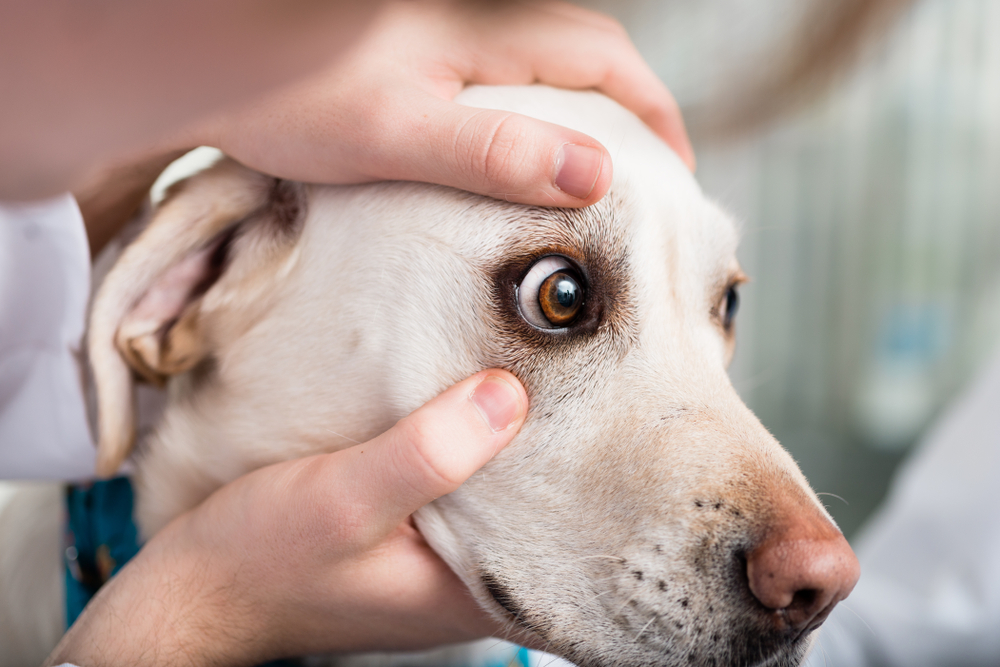
Urgent Eye Problems in Pets: Knowing When to Act
You wake up one morning and notice your pet blinking repeatedly as if something is stuck in their eye, or you spot sudden redness and swelling. These symptoms were not there last night- what happened?
Eye problems often appear without warning, and it can be difficult to decide whether to wait until morning or seek care right away. The answer is simple- treat all eye issues as urgent, since eye problems are painful and can progress rapidly.
At Peak Pet Urgent Care in Reno, NV, our veterinarians see urgent eye issues every day. We help families recognize when symptoms such as trauma, excessive tearing, squinting, or cloudiness signal the need for prompt evaluation to protect vision and comfort.
Recognizing Common Eye Conditions in Pets
Key Symptoms to Watch For
Pet eye problems often start subtly but can escalate quickly. Knowing what to look for empowers you to respond appropriately when your dog or cat displays concerning signs. The most common indicators include:
- Redness or swollen eyelids
- Discharge that may be clear, yellow, or green
- Excessive tearing
- Frequent blinking or squinting
- Cloudiness in the normally clear parts of the eye
Beyond these visible changes, signs of eye pain are equally important. Pets in pain may paw at the affected eye, rub their face on furniture, hide from bright light, or seek dark corners. These behaviors indicate significant discomfort and require veterinary attention.
Reno’s high desert climate, with strong sun, low humidity, and seasonal foxtails, creates unique challenges for pet eye health. Preventive steps include trimming hair near the eyes, keeping faces clean, and inspecting for debris after outdoor activities.
A Closer Look at Urgent Eye Diseases
Not all eye conditions require immediate emergency care, but many do. Here’s a breakdown of common problems, when they are urgent, and what care typically involves.
Conjunctivitis (Often Urgent)
Conjunctivitis is one of the most common eye conditions. It involves inflammation of the thin tissue lining the eyelids and eye surface.
- Causes: Allergies, irritants, or infections from bacteria and viruses.
- Signs: Redness, swelling, discharge, and eyelids sticking together after sleep.
- Treatment: Depends on the cause. Bacterial conjunctivitis requires antibiotics, while allergic conjunctivitis may need anti-inflammatories and environmental changes.
Corneal Ulcers (Always Urgent)
Corneal ulcers are painful open wounds on the clear surface of the eye.
- Causes: Trauma, scratches, dry eye, extra eyelashes, or foreign bodies.
- Signs: Squinting, tearing, redness, light sensitivity, and holding the eye closed.
- Treatment: Topical antibiotics, pain control, and protective collars. Severe cases may require surgery. Without treatment, ulcers can rupture and cause permanent blindness.
Glaucoma (Emergency When Acute)
Glaucoma is caused by increased fluid pressure in the eye, which damages the optic nerve.
- Signs: Redness, cloudiness, enlarged pupil, bulging eye, and sudden blindness.
- Treatment: Acute glaucoma requires immediate intervention to preserve vision. Medications or surgery may be needed. Chronic glaucoma progresses more slowly but still requires ongoing care.
Sudden Blindness (Always Urgent)
Acute blindness in dogs can occur over hours to days and may sometimes be reversed with rapid care.
- Causes: Glaucoma, retinal detachment, high blood pressure, or SARDS.
- Feline Concerns: Feline vision problems are often linked to hypertension, which can cause sudden retinal detachment. Senior cats especially need regular blood pressure and eye checks.
Signs of sudden blindness include bumping into furniture, hesitation on stairs, or reluctance to move in dim lighting.
Lens Dislocation (Emergency)
Dislocation of the lens happens when the eye’s lens shifts out of place.
- Causes: Inherited weakness, trauma, or glaucoma.
- Signs: Sudden pain, cloudiness, abnormal pupil shape, or rapid vision loss.
- Treatment: Immediate veterinary attention is needed, as lens dislocation can trigger acute glaucoma and blindness.
Common Non-Urgent Eye Diseases
While these conditions don’t need to be seen immediately, they should always be checked out by a vet promptly to be sure more serious problems aren’t present. Some of these issues can cause more urgent issues if not treated. Routine exams can catch issues early, especially in high-risk breeds and senior pets.
Cataracts vs. Nuclear Sclerosis
Understanding the difference between cataracts and nuclear sclerosis is important.
- Nuclear sclerosis: A bluish-gray haze from aging that rarely affects vision significantly.
- Cataracts: White or opaque areas that block light and can cause blindness. Often linked to diabetes, trauma, or genetics.
- Treatment: Cataract surgery may restore sight in suitable candidates, but nuclear sclerosis does not require treatment. If cataracts appear suddenly with symptoms like weight loss or increased thirst, your pet should be checked for diabetes promptly.
Dry Eye
Dry eye (keratoconjunctivitis sicca) occurs when tear production is insufficient.
- Signs: Thick, sticky discharge, recurrent conjunctivitis, and a dull corneal surface.
- Treatment: Tear-stimulating medications and lubricating drops, usually lifelong. Untreated dry eye can progress to painful ulcers.
Cherry Eye
Cherry eye occurs when the tear gland of the third eyelid prolapses, creating a red, fleshy mass in the corner of the eye.
- Signs: Swelling in the eye corner, irritation, and increased tearing.
- Treatment: Surgical repositioning of the gland is recommended to prevent chronic irritation or dry eye. While uncomfortable, cherry eye is not usually urgent. Left untreated, dry eyes and irritation can cause ulcers.
Entropion
Entropion occurs when the eyelid rolls inward, causing lashes to rub on the cornea.
- Breeds Affected: Shar-Peis, Bulldogs, and Chow Chows.
- Signs: Tearing, squinting, and corneal ulcers from repeated irritation.
- Treatment: Surgical correction is typically required, though it is not an emergency. If it goes untreated, entropion will cause corneal ulcers- which are urgent.
Urgent vs. Emergency Eye Situations
Urgent Eye Problems
Urgent conditions are painful or vision-threatening but may not require immediate ER care if addressed within hours:
- Conjunctivitis
- Corneal ulcers
- Dry eye flare-ups
- Corneal cloudiness or mild trauma
Emergency Eye Problems
Some conditions require emergency hospital care at once:
- Sudden blindness
- Lens dislocation
- Acute glaucoma
- Severe trauma or penetrating injuries
- Chemical exposure
Ocular emergencies progress rapidly, and delaying care can mean permanent damage.
Veterinary Care and Home Management
Veterinary Interventions
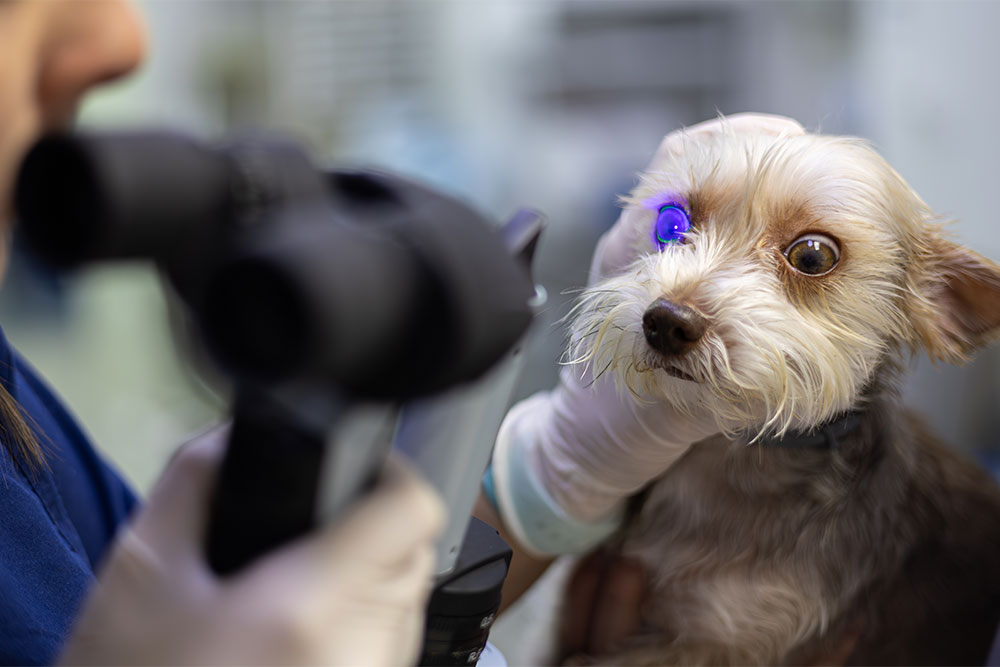
Veterinarians use diagnostics such as pressure testing, corneal staining, and retinal exams to identify problems. Treatments may involve topical medications, systemic drugs, or surgery for advanced disease or eyelid problems. In cases where an eye cannot be saved, humane enucleation may be recommended to relieve pain.
Home Care Tips
- Wash hands before and after applying medication
- Use correct eye medication techniques
- Avoid touching the applicator to the eye surface
- Give medications exactly as prescribed
- Monitor closely and follow up as directed
Taking Action for Your Pet’s Eye Health
Eye conditions in pets can worsen rapidly. If you notice sudden redness, cloudiness, or squinting, do not wait for symptoms to improve on their own.
At Peak Pet Urgent Care, our veterinarians provide prompt, compassionate evaluation for urgent eye problems. Call us at (775) 484-8400 or visit our contact page to schedule an exam. Quick action makes the difference between a simple treatment and a lifelong vision problem.




Leave A Comment