


The Hidden Risks of Non-Anesthetic Dental Cleanings
It is natural to feel nervous about anesthesia. Many pet owners hesitate when their veterinarian recommends a dental cleaning under anesthesia, wondering if there is a safer alternative. The truth is that non-anesthetic dentals pose far greater risks to both safety and oral health than modern anesthetic procedures. While “awake” dental cleanings sound appealing, they skip vital steps like X-rays and deep scaling beneath the gums. Without anesthesia, disease remains untreated and pets endure unnecessary stress. True dental care requires safety, comfort, and thoroughness- and without it, your pet may need veterinary care that could have been prevented.
At Peak Pet Urgent Care, we are a walk-in urgent care clinic in Reno, NV- and we frequently treat painful complications that arise from inadequate dental care or non-anesthetic dentals gone wrong, including fractured teeth, oral infections, pneumonia, and jaw injuries that require urgent surgical intervention. We’re here to help when your pet needs care now.
What Non-Anesthetic Dentals Actually Involve
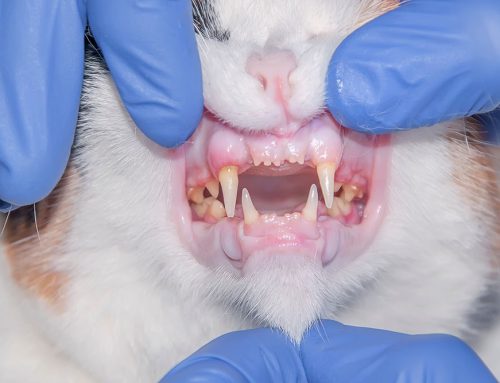
Non-anesthetic dentals, often called NADs, clean an awake pet’s teeth without sedation or pain control. These services are often performed outside a veterinary hospital by people without professional training and focus on scraping visible tartar.
The American Veterinary Dental College explains why anesthesia-free dentals are problematic: they remove surface debris but leave disease untreated. Without anesthesia, there is no full oral exam, periodontal probing, or dental X-rays. The areas where periodontal disease begins and progresses are missed entirely, which gives a cosmetic result while real disease worsens out of sight.
Urgent Complications From “Awake” Dental Care
Injuries and Trauma from Non-Anesthetic Dentals
Holding a pet still for 30 to 60 minutes while instruments scrape teeth is stressful and risky. Even calm animals resist and show fear. The restraint itself can make future care harder- many pets become anxious or defensive about mouth handling after a bad experience. Sudden movements increase the chance of lacerations of the gums and tongue, tooth fractures, or instrument slips. Small breed dogs face particular vulnerability because crowded teeth and delicate jaws are easily injured during forceful scraping and restraint, especially if they have bone loss from advanced periodontal disease.
Non-anesthetic dentals can also cause pneumonia. Without airway protection, pets may inhale bacteria and water during the procedure, leading to infection that causes coughing, fever, and labored breathing- conditions that require urgent veterinary care.
At Peak Pet Urgent Care, we see pets within 24 to 72 hours of a non-anesthetic dental presenting with facial swelling, bleeding gums, drooling, or refusal to eat. Some develop sudden pain when opening the mouth or signs of respiratory distress due to aspiration. These are red flags for post-procedural complications that need immediate evaluation and treatment.
Diseases Missed During Anesthesia-Free Cleanings
Many urgent dental problems we see at Peak Pet Urgent Care started with disease that progressed unnoticed after non-anesthetic cleanings. Roughly 60 percent of dental disease lives below the gumline. Periodontal disease in dogs starts with bacterial plaque that hardens into tartar. Infection damages the ligaments and bone that hold teeth in place, leading to pain, tooth loss, and bacteria entering the bloodstream.
When these infections go untreated, they can evolve into truly urgent situations. Tooth root abscesses may cause severe pain, jaw swelling, or eye bulging, often requiring surgery and antibiotics. Oronasal fistulas– holes that form between the mouth and nasal passages- can lead to chronic sneezing, nasal discharge, and sinus infections that never fully resolve. Mandibular fractures may occur spontaneously when fragile bone gives way during chewing.
Another common scenario involves pets that stop eating or lose weight because of oral pain. Owners often mistake this for picky eating, but it may indicate tooth loss, advanced gum infection, or undiagnosed oral tumors. Each of these requires diagnostic imaging and often urgent surgical intervention.
Without dental X-rays, these hidden issues continue to progress until they cause obvious pain or swelling- at which point urgent care is essential to prevent sepsis or irreversible damage.
Where Peak Pet Urgent Care Fits In
Peak Pet Urgent Care serves pets when a condition feels important but not life-threatening. We treat urgent dental complications such as lacerations, broken jaws, fractured or dislodged teeth, facial swelling from abscesses, and post-procedure concerns. We can perform diagnostics, provide stabilization, and offer urgent surgical intervention when appropriate.
If your pet develops swelling near the mouth or eyes, refuses food, cries out when yawning, or has worsening bad breath after a recent “awake” dental, it’s time for urgent care. Early treatment can prevent serious complications, relieve pain, and restore your pet’s comfort. Our team provides compassionate, efficient care designed to stabilize pets and coordinate follow-up with their primary veterinarian for full recovery.
How Professional Anesthetic Dentistry Protects Your Pet
Concerns about anesthesia are understandable. Risks are very low when proper protocols are followed, even for seniors or pets with controlled medical conditions. Modern anesthetic dentistry is comprehensive and humane. It begins with pre-anesthetic bloodwork and an individualized plan. An endotracheal tube protects the airway, and an intravenous catheter allows fluids and medications.
With your pet comfortable and still, the veterinarian performs a complete exam, obtains full-mouth X-rays, and scales above and below the gumline. Periodontal pockets are cleaned thoroughly, and polishing smooths enamel to slow future plaque buildup. Necessary extractions are done with precise pain management and continuous monitoring of heart rate, blood pressure, oxygenation, and temperature. Pets recover in a calm setting and usually go home the same day with a plan for comfort and home care.

Understanding What Is at Stake
Non-anesthetic dentals are incomplete and unsafe. They make teeth look cleaner while disease progresses below the gumline, increasing the risk of pain, fractures, infections, and costly emergencies. Professional anesthetic dentistry is comprehensive, effective, and designed to keep pets comfortable and safe.
When urgent dental issues arise, our experienced team in Reno is ready to help. For preventive cleanings, partner with your primary veterinarian to schedule high-quality anesthetic dentistry.
If your pet needs timely care now, contact us or walk in to Peak Pet Urgent Care. We are here to bridge the gap between routine care and emergency medicine- so your pet gets the right help, right when it matters most.




Leave A Comment