

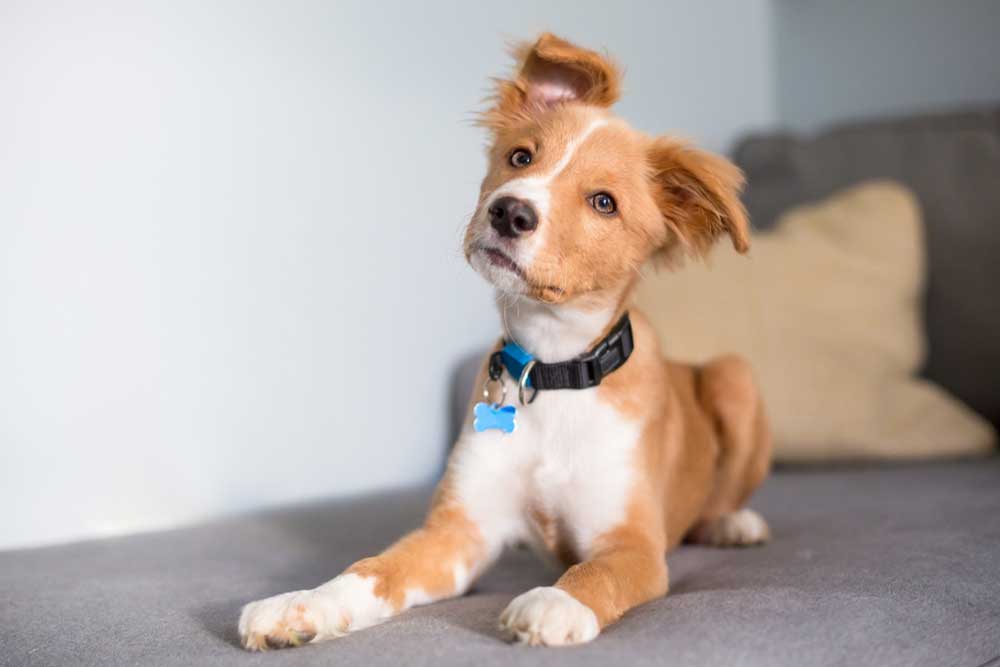
A sudden head tilt in a dog traces back to vestibular disease, a disturbance of the balance system in the inner ear and brainstem, far more often than to an actual stroke. The distinction is hard to trust in the moment, because a vestibular episode can also bring circling, stumbling, vomiting from the dizziness, and eyes that dart rhythmically back and forth. Middle and inner-ear infections, toxin exposure, and, less commonly, disease in the brain itself produce the same alarming picture. Each cause calls for a different treatment, so the first step is always a thorough exam and diagnostic testing to find the source of the problem.
Peak Pet Urgent Care sees dogs with these symptoms every week in our Reno waiting room. Our exam starts with a hands-on neurological assessment, lab work to check for toxin exposure, and a look deep into the ears. From there, we’ll build a plan with you and take the time to explain all our recommendations and medications, making sure all your questions are answered. If the tilt showed up out of nowhere, bring your dog in for urgent care and let our triage team take it from there.
Start Here: The Head Tilt Basics
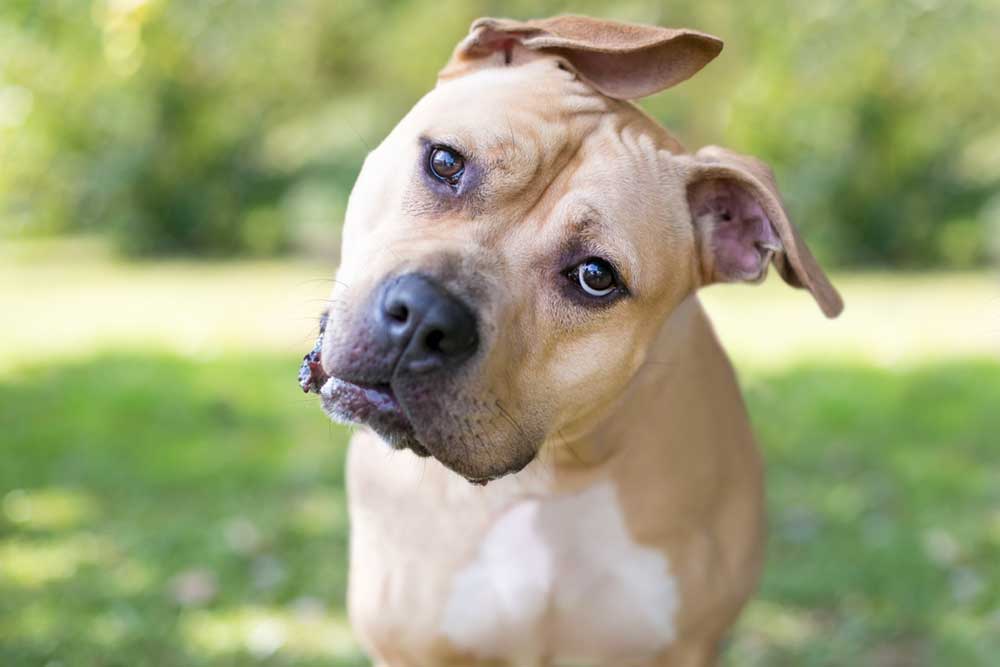
- A sudden head tilt in dogs traces back to vestibular disease or an ear infection far more often than to a stroke, and most affected dogs stay bright and alert through the whole episode.
- The same tilt can come from the inner ear, the brain, an internal illness, a toxin, or an injury, so a hands-on exam and testing separate the treatable problems from the serious ones.
- Idiopathic vestibular disease, common in older dogs, often starts improving on its own within a few days, while causes like brain disease or trauma need faster, more intensive care.
- Any dog who suddenly can’t hold their head straight should be seen right away, because the cause shapes everything about treatment and recovery.
What Is the Vestibular System, and Why Does It Cause Such Dramatic Symptoms?
The vestibular system is your dog’s balance center, a network linking the inner ear to the brainstem and cerebellum that tells the body which way is up. When something interrupts those signals, the fallout shows up fast: a head tilt, a staggering or circling walk, falling to one side, and eyes that flick rapidly back and forth.
Where the problem sits changes the whole outlook. Peripheral disease involves the inner ear and balance nerve, outside the brain, and generally carries the better prognosis. Central disease reaches into the brainstem or cerebellum, so it tends to be more serious. Telling the two apart is the first job of a thorough in-person exam, long before any imaging enters the conversation.
| What to watch | Peripheral (inner ear) | Central (brainstem/cerebellum) |
|---|---|---|
| Alertness | Usually bright and responsive | Often dull, confused, or unresponsive |
| Weakness | Not typical | Common, frequently on one side |
| Eye movement | Horizontal, steady pattern | May change direction or run vertical |
| Extra signs | Mainly tilt and imbalance | Seizures, poor paw placement, trouble swallowing |
| General outlook | Often favorable | More guarded, needs intensive support |
Vestibular disease in dogs often appears overnight in older pets, causing a dramatic head tilt and staggering gait that usually begins improving on its own within about 72 hours. This form is called idiopathic, meaning no specific cause is found, and it’s common enough in seniors that many families know it as old-dog vestibular disease. One reassuring detail: most dogs stay bright and connected to you even while the room seems to spin, which helps separate a balance problem from conditions that dampen consciousness.
Can an Ear Infection Really Pull My Dog’s Head to One Side?
An ear infection is one of the most common and most fixable causes of a head tilt, which is why it’s the first thing to rule out. How deep the infection reaches decides whether balance is affected at all.
Otitis externa, an infection of the outer ear canal, causes real discomfort and head shaking but usually leaves a pet’s balance untouched. Otitis media and interna reach deeper, where infection in the middle and inner ear can directly disrupt the vestibular system and pull a dog’s head to one side.
The signs usually make the ear the obvious suspect: head shaking, scratching at one side, a smelly discharge, and pain when your dog chews or yawns. A deeper infection can add facial drooping and circling in one direction. Dogs with allergies, heavy or narrow ear canals, or a lodged foxtail (grass awn) are more prone to these infections. Sorting it out starts with a direct look into the ear canal, then ear cytology under the microscope to see whether bacteria, yeast, or both are behind it, with X-rays added when the trouble sits deeper. Most cases clear with several weeks of antibiotic or antifungal medication plus something to calm the inflammation, then rechecks to confirm the canal has healed. Stubborn or repeat cases sometimes need a deep flush under sedation, and a few call for surgery, which we can help arrange.
When Does a Head Tilt Signal a Problem in the Brain?
Most head tilts start in the ear, not the brain, but a smaller share trace back to disease inside the skull, and those cases tend to be the serious ones. When a tilt arrives with seizures, behavior changes, one-sided weakness, whole-body wobbliness, or a drop in alertness, disease in the brain climbs the list.
- Brain tumors and central nervous system disease: Brain tumors pressing on the brainstem or cerebellum add signs an ear infection never would, most often in middle-aged and older dogs. Confirming one takes an MRI or CT at a referral center, which we can coordinate, and treatment ranges from surgery or radiation to medication that eases pressure and swelling, or comfort-focused care when that fits a family’s goals.
- Strokes and other vascular events: Strokes in pets strike suddenly when blood flow to the brain is blocked or a vessel bleeds, and can mimic a vestibular episode almost exactly, with kidney disease or clotting disorders quietly raising the risk. Because a stroke rarely happens in isolation, the workup starts with bloodwork and blood pressure checks and moves to imaging when needed, so treatment can address the root cause.
Can a Health Problem Elsewhere in the Body Affect My Dog’s Balance?
Balance can wobble even when the ears and brain look normal, because some whole-body illnesses disturb how nerves fire and how the mind processes signals. Hormonal and organ problems lead that group, and many steadily improve once the underlying condition is under control.
- Thyroid imbalance and nerve function: Hypothyroidism can feed into balance trouble through nerve dysfunction or recurring ear problems, surfacing as weight gain, low energy, and a thinning coat, more often in mid-sized and larger breeds. A simple blood panel confirms it, and daily thyroid medication usually brings steady improvement within a few weeks.
- Liver disease and hepatic encephalopathy: Portosystemic shunts are abnormal vessels that let toxins slip past the liver’s filtration, and when those toxins reach the brain the result is circling, disorientation, or unsteadiness. Other liver diseases can cause the same effects. Diagnosis relies on bloodwork, a bile acids test, and an ultrasound, and some shunts are corrected with surgery while others are managed with diet and medication.
Which Infections, Nutritional Gaps, and Medications Can Trigger Vestibular Signs?
Beyond the ear and brain, a handful of less common triggers can still scramble a dog’s balance. What ties them together is how easily they hide: nothing looks wrong with the ears on exam, yet the signals feeding the balance system are thrown off from somewhere else.
- Brain and spinal inflammation: Meningitis and encephalitis inflame the brain and its coverings, layering fever, neck pain, and behavior changes on top of the tilt and stumbling. Some cases come from infection, others from the immune system attacking nervous tissue, so treatment ranges from antimicrobials to immune-calming therapy once testing points the way.
- Nutritional gaps: Thiamine deficiency can trigger acute neurological signs, including vestibular dysfunction and seizures, in dogs eating diets heavy in raw fish or losing nutrients to chronic vomiting. Caught early, it often responds fast to supplementation.
- Medication effects: Metronidazole toxicity brings on sudden disorientation and vestibular signs at high doses or with prolonged use, most of which fade once the medication stops. Sticking to the prescribed dose and reporting any new wobble or confusion keeps this one manageable.
Can Something My Dog Ate Cause a Head Tilt or Wobbling?
Yes, and toxins are one of the first things we ask about when a dog arrives suddenly wobbly, because several common household exposures scramble balance in ways that look exactly like vestibular disease. Unlike an ear infection, a toxin keeps doing damage while everyone waits, so a stumbling dog plus any chance of an exposure is a come-in-now situation.
- Cannabis: With legal dispensaries all over Nevada, cannabis exposure in pets has become one of the most common toxicities we see. A dog who got into edibles or flower turns wobbly and glassy-eyed, startles at nothing, and often dribbles urine. Most dogs recover fully with supportive care, but edibles that also contain chocolate or xylitol raise the stakes considerably.
- Rodenticides: Not all rat baits work the same way, and the neurotoxic type, bromethalin, causes brain swelling that shows up as stumbling, tremors, and paralysis with no antidote once signs start. Rodenticide poisoning is why the package matters so much: bring it, or a photo of it, because the active ingredient decides the entire treatment plan.
- Pesticides and garden products: Snail and slug bait, certain insecticides, and concentrated flea products can all trigger tremors, drunken walking, and seizures, sometimes within an hour of exposure.
- Human medications: ADHD stimulants, antidepressants, sleep aids, and blood pressure pills are frequent culprits when a dropped tablet meets a fast dog, and even one pill can be enough for a small breed.
If there’s any chance your dog got into something, tell us exactly what it was, cannabis included. We’re not here to judge; we’re here to match the treatment to the toxin, and knowing what happened saves us time your dog may not have. Some exposures need decontamination and a few hours of care, while the most serious ones need overnight monitoring, and in those cases we stabilize your dog and coordinate the transfer to a 24-hour hospital.
Could an Injury or a Foxtail Be Behind It?
Physical causes can tilt a dog’s head just as fast as any illness, and both a head injury and a foxtail are easy to overlook without a hands-on look. In Reno, where a summer weekend usually means dry trails and long grass, a sudden tilt after a fall or a romp outdoors deserves a same-day check.
- Head trauma and physical injury: Head trauma from a car accident, fall, or hard blow can bruise and swell the brain, and care focuses on keeping blood pressure steady, controlling swelling, and watching for any slide backward in the hours after the injury. Our team offers walk-in urgent care during open hours and can stabilize your dog, then coordinate a transfer when a case needs a 24-hour hospital.
- Foxtails and foreign objects in the ear: Foxtails and other barbed plant awns can lodge deep in the ear canal, migrating inward over days and setting off sudden head shaking, pawing, and a tilt toward the painful side. Because those barbs only travel one direction, deeper, prompt removal matters before the awn punctures the eardrum, and getting one out often calls for sedation to clear and flush the canal.
How Do Veterinarians Figure Out What’s Causing the Head Tilt?
Pinpointing the cause is a step-by-step process that starts with your dog’s story and a careful neurological exam, then layers in testing as needed. The exam alone often reveals whether the trouble is peripheral or central, and that one distinction steers everything from which tests come next to what recovery looks like.
The history does much of the early work: when the signs started, whether they’re improving or worsening, any recent illness, and whether your dog could have reached a medication or toxin. From there, the exam checks the cranial nerves, coordination, and gait, which is how our veterinarians track down the cause rather than guessing at it. Lab work and, for complex cases, a referral for advanced imaging fill in the rest.
How Is a Head Tilt Treated Once the Cause Is Known?
Treatment follows the diagnosis, so there’s no single fix for a head tilt. The plan targets whatever is driving it while easing the dizziness and nausea in the meantime.
| Underlying cause | Typical treatment direction |
|---|---|
| Idiopathic vestibular disease | Anti-nausea medication, supportive care, and time |
| Middle or inner ear infection | Several weeks of antimicrobials, anti-inflammatories, rechecks |
| Hypothyroidism | Daily thyroid hormone and periodic monitoring |
| Liver shunt or disease | Diet and medication, or surgical correction |
| Brain inflammation or infection | Antimicrobials or immune-calming therapy |
| Stroke or brain tumor | Individualized plan, supportive care, referral as needed |
| Toxin ingestion | Decontamination, fluids, and monitoring |
Whatever the diagnosis, we map out the plan with you, then send a discharge summary to your dog’s regular veterinarian so follow-up care picks up right where we leave off.
How Can I Help My Dog Recover at Home?
Recovery at home comes down to two things: keeping your dog safe from falls and keeping a close eye on the trend. A dizzy dog bumps into furniture and misjudges stairs, so a thoughtful home setup does much of the protective work while the balance system heals.
A few practical moves make a hard week easier:
- Soften the environment: Block stairs and slick floors, and pad the corners and edges your dog might bump into during a stumble.
- Make eating easy: Offer food and water where your dog can reach without craning, and hand-feed if the dizziness makes mealtimes hard.
- Give bigger dogs a hand: A harness or a towel sling under the belly steadies a large dog on trips outside to potty.
- Keep short daily notes: Jot down the tilt, appetite, and steadiness each day so the trend is easy to share at the next visit.
Call us if the signs worsen, new ones appear, or your dog won’t eat or drink, since those shifts can mean the underlying problem needs another look.
Frequently Asked Questions About Head Tilt and Vestibular Disease in Dogs
Is a head tilt in my dog an emergency?
A brand-new head tilt is always worth a same-day look, even though many causes turn out to be treatable. From the outside, a harmless idiopathic episode and a stroke or brain problem can look nearly identical, and only an exam can start telling them apart. If your dog is also seizing, collapsing, unconscious, or struggling to breathe, skip the wait and go straight to the nearest emergency hospital.
Will my dog’s head tilt go away on its own?
Some head tilts do resolve on their own. With idiopathic vestibular disease, the most common form in older dogs, the worst of the tilt and stumbling usually eases within a few days, and many dogs are steady again within a couple of weeks. A mild residual tilt can linger for good without bothering some dogs at all. Tilts caused by infections, toxins, or brain disease, though, won’t resolve until the underlying problem is treated.
Why are my dog’s eyes flicking back and forth?
That rapid, involuntary eye movement is called nystagmus, a classic sign that the balance system is misfiring. The eyes drift and snap back in a repeating rhythm because the brain is receiving scrambled position signals from the inner ear, and it generally settles as the underlying problem improves. The direction and pattern help point toward whether the cause sits in the ear or the brain, so it’s worth mentioning at the visit.
Getting Your Dog Steady Again
Balance problems in dogs run the full range, from a short-lived scare that fades on its own to something that needs real intervention, and there’s rarely a way to know which you’re facing just by watching. That’s why an early exam is the calmest next step: it trades guesswork for answers. A sudden head tilt, circling, or a dog who can’t walk a straight line is your cue to act. If that’s what you’re watching today, reach out to our team at Peak Pet Urgent Care in Reno and let us help you figure out what’s going on.



Leave A Comment