

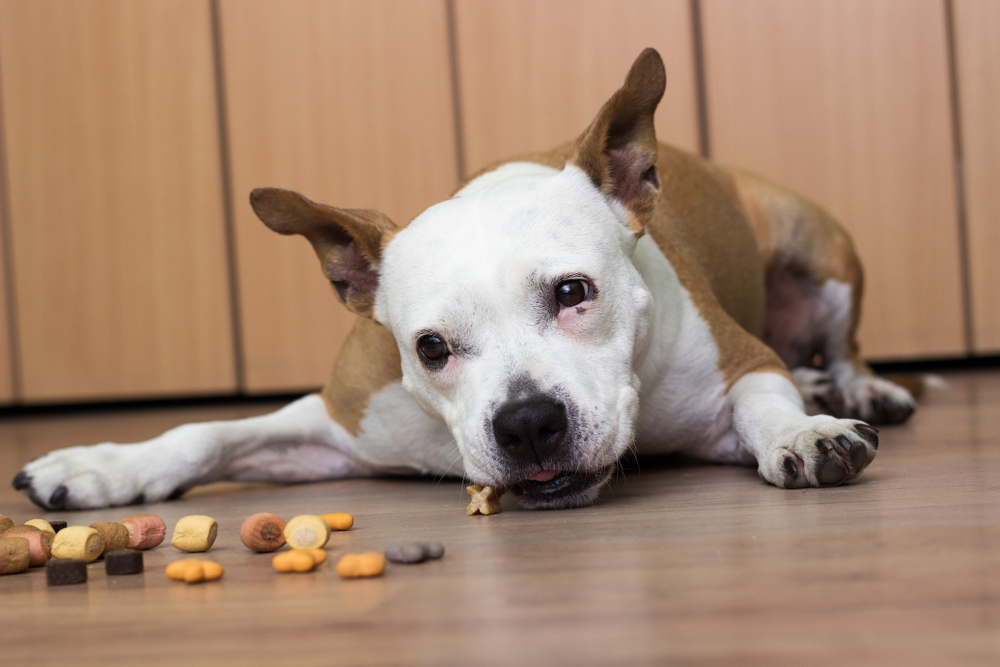
The biggest poisoning risks to dogs and cats are rarely exotic chemicals; they are ordinary items already sitting in your kitchen, bathroom, and garage. Sugar-free gum sweetened with xylitol, human pain relievers, lilies, rodent bait, and a surprising share of pantry foods can push a dog or cat into organ failure within hours. Cats tend to find trouble in plants and anything string-like, while dogs go after whatever smells remotely edible, so the two species need slightly different audits. Almost every accidental poisoning is preventable, and a room-by-room walk-through of your home will catch most of the hazards before your pet does.
No appointment stands between you and an answer at Peak Pet Urgent Care: pets do not schedule their trash raids, so our Reno clinic takes walk-ins every day. Our urgent care covers poison ingestion cases, with an in-house lab to check liver and kidney values after a suspected exposure and X-rays to help locate a swallowed object. If your dog or cat just sampled the medicine cabinet, the trash, or a mystery plant, call us on the way and we will be ready when you arrive.
Poison-Proofing in a Nutshell
- Most pet poisonings come from everyday items already in your home, like sugar-free gum, human medications, lilies, rodent bait, and common pantry foods, rather than exotic chemicals.
- Dogs tend to eat anything that smells edible, while cats get into plants and string-like objects, so each species needs a slightly different home audit.
- With many toxins the dose matters and symptoms are delayed, so calling a poison hotline or coming in quickly can change the outcome.
- Inducing vomiting at home isn’t always safe; get professional guidance first, and bring the packaging or a clear photo of whatever your pet ate.
Why Does Every Minute Matter After a Pet Swallows Something Toxic?
With many poisons the damage is already unfolding before your pet looks sick, and the amount swallowed, the substance, and your pet’s size all decide how bad it gets. Acting in the first minutes, while the toxin is still in the stomach, gives decontamination its best shot.
A dose that barely fazes a 70-pound Labrador can be lethal for a five-pound kitten, and cats often lack the liver enzymes to break down chemicals that dogs shrug off. That’s why guessing at home is so risky, and why a walk-in visit starts with a quick assessment that puts the sickest patients first. Some poisons, like certain rodenticides and mushrooms, hide their effects for a day or more, so by the time weakness or vomiting appears, the substance may already be harming the liver or kidneys.
What Should You Do First If Your Pet Eats Something Toxic?
Stay calm, get your pet away from whatever they ate, and call for guidance before doing anything else. Do not induce vomiting on your own, because for some substances it makes things far worse. Grab the packaging or a photo, note roughly how much and when, and call a hotline or us on the way.
There are two good options for understanding if what your pet ate is potentially toxic:
- The Pet Poison Helpline is staffed around the clock at 855-764-7661 to help you judge whether what your pet ate is dangerous and what to do in the first critical minutes.
- ASPCA Animal Poison Control answers day or night at 888-426-4435, and the case number they assign gives your veterinary team a head start on treatment.
Skip home remedies to induce vomiting like hydrogen peroxide unless a professional walks you through it, since the wrong move can cause chemical burns or aspiration. When you head our way, let us know you are coming and give us the case number from Poison Control so the right treatment is ready.
Which Foods in Your Kitchen Can Poison a Dog or Cat?
A handful of everyday foods do real harm: chocolate, xylitol-sweetened products, grapes and raisins, onions and garlic, macadamia nuts, and anything with alcohol or heavy caffeine. Signs range from vomiting to tremors, a racing heart, or organ failure within hours.
Chocolate toxicity scales with how dark the chocolate is: baking chocolate and cocoa powder pack far more theobromine and caffeine than a milk chocolate bar, and dogs clear those stimulants far more slowly than people do. Xylitol, the sugar substitute hiding in sugar-free gum, candy, and some peanut butters, can crash a dog’s blood sugar and cause liver failure within hours.
| Chew | Why it’s risky |
| Real bones, raw or cooked | A leading cause of fractured carnassial teeth. |
| Rawhide | Softens into a dense, hard-to-digest wad that can lodge in the esophagus or intestine. |
| Antlers and hooves | Notorious for slab fractures of the premolars, often noticed only when a dog starts favoring the other side. |
| Hard nylon bones | Can splinter into sharp points that scratch the gut. |
| Any chew worn to a nub | Small enough to swallow whole and choke on. |
If your dog or cat samples something on this list, secure the rest, scan labels for hidden xylitol, and reach out right away. We can start decontamination, run bloodwork, and hospitalize for supportive care if a toxin needs flushing out. For a fresh exposure, you can come in without an appointment.
Which Plants and Mushrooms Are Most Dangerous to Cats and Dogs?
Hundreds of common houseplants and garden varieties can poison cats and dogs, ranging from mild mouth irritants to species that shut down organs, so it helps to know which plants are toxic before anything new comes into the house. If a pet swallows an unknown plant or mushroom, snap a clear photo; the emergency mushroom and plant identification community on Facebook can often put a name to it while you call Poison Control and head in for care. Poison Control will direct you to post to that community if you aren’t 100% sure of the plant type.
Indoors, the usual plant offenders are lilies, sago palms, and irritating plants like dieffenbachia and philodendron that burn the mouth and throat. Lily toxicity is the single most urgent plant concern in a home with cats, since even a nibbled petal, brushed-off pollen, or a sip of vase water can cause fatal kidney failure. Bouquets, even those with pet-safe varieties, can be sprayed with pesticides and fertilizers.
Outdoors, oleander and foxglove strain the heart; azaleas, rhododendrons, and daffodils cause stomach upset; wild-growing poison hemlock can cause tremors and respiratory distress.
Can Grapes and Raisins From Backyard Vines Poison Dogs?
Grapevines along a fence are easy for a dog to reach, and both fresh grapes and sun-dried raisins are worth serious caution. Tartaric acid in grapes and raisins is the likely reason even a small handful can trigger acute kidney failure in some dogs, and sensitivity varies from dog to dog. Because no amount is proven safe, treat every grape or raisin exposure as an emergency and call us right away rather than waiting for the first sign of trouble.
Are Wild Mushrooms in the Yard Really That Risky?
Wild mushrooms are a genuine hazard, especially for dogs who explore the yard nose-first and swallow before you can react. Mushroom toxicity is hard to predict because wild species range from harmless to deadly, and the worst of them cause liver or kidney failure a day or more later. Others bring on stomach upset or neurologic signs like stumbling and tremors.
What Household Hazards Hide Outside the Kitchen?
Beyond food and plants, the real dangers live in the garage, medicine cabinet, and cleaning closet: antifreeze, rodent and insect bait, human medications, recreational drugs, and household chemicals. Organizing your audit by category, and by season, makes each hazard easier to catch early.
How Dangerous Are Rodenticides and Insect Baits?
Rodent and insect baits are built to be eaten, which makes them just as appealing to a dog or cat as to a mouse. Rodenticide safety is complicated by delayed symptoms and by “pet-safe” labels that mean little if the bait sits within reach, since different products poison through anticoagulant, neurotoxic, or other mechanisms. Anticoagulant types quietly block clotting, so bleeding may not surface for days. If you suspect exposure, bloodwork and monitoring can check clotting times and track your pet while treatment such as vitamin K takes hold. Safer pest control means covered bait stations, snap traps inside sealed boxes, and blocking entry points instead of scattering poison.
What About Marijuana, Edibles, and Other Recreational Drugs?
Recreational and illicit drugs send a steady stream of pets to urgent care, usually after a dog raids a stash of edibles or licks up spilled oil. Marijuana safety matters more as edibles and concentrated oils spread through homes, because THC is fat-soluble and highly variable in potency, and pets who ingest it can show stumbling, dribbling urine, and dangerous heart-rate changes. Opioids and stimulants hit harder still, causing heavy sedation, breathing trouble, or a pounding heart. Telling us exactly what your pet got into is never about judgment; it lets us target treatment fast, and what you share stays between us.
Which Human Medications Are Most Toxic to Pets?
The medicine cabinet holds some of the most common poisonings we see. Pain relievers lead the list: ibuprofen and naproxen can injure the kidneys and gut, and acetaminophen is especially deadly to cats, whose bodies simply can’t process it. Antidepressants, ADHD stimulants, and blood pressure pills also cause serious trouble. Childproof caps are no match for a determined chewer, so latch the cabinet and call us before giving any human product, even ones that seem harmless.
What Household Chemicals Should Pets Never Reach?
Garages and cleaning closets hide fast-acting poisons. Antifreeze is the most notorious: its sweet taste draws pets in, and even a small lick can cause fatal kidney failure, so a spill needs immediate cleanup and immediate care. Concentrated cleaners, solvents, fertilizers, and lawn pesticides bring burns, stomach upset, or worse. If your pet contacts one of these, our lab can run urinalysis and chemistry panels quickly to gauge kidney impact. Reno winters keep antifreeze within easy reach in most garages, so store products up high, wipe spills the moment they happen, and check for slow leaks when the seasons turn.
How Do You Pet-Proof Your Home Room by Room?
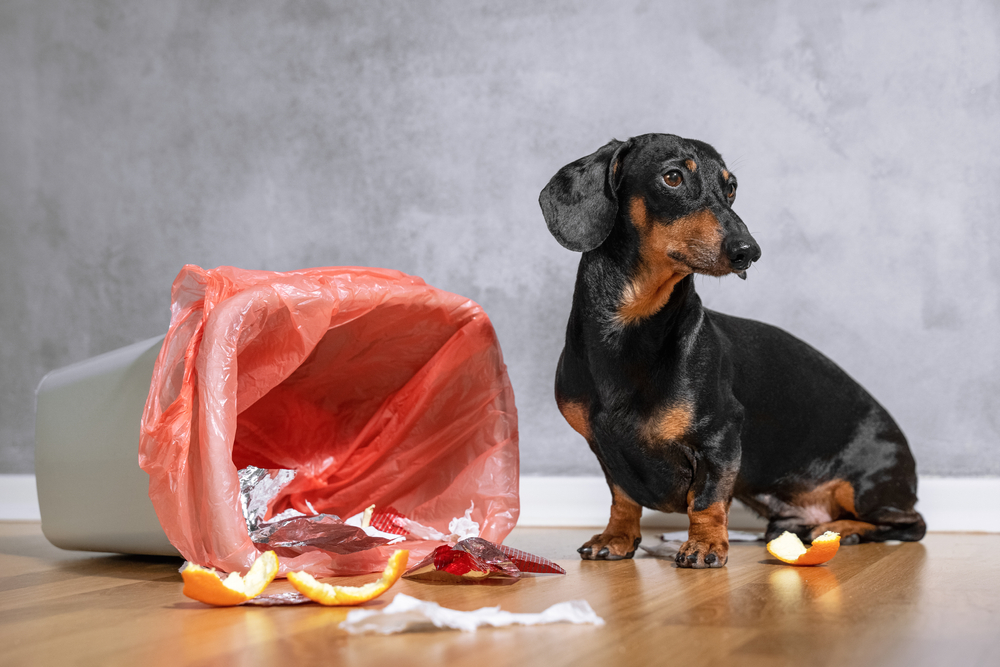
The most effective prevention is a slow walk through each room with your pet’s reach in mind, because a few small habit changes close most of the gaps.
Pet-proofing your home works best at your pet’s eye level: crouch down and notice what a bored dog or a climbing cat can reach, because that view reveals hazards a standing adult walks right past. Here’s where to focus:
- Kitchen and pantry: Keep chocolate, gum, and baking supplies behind closed doors, and use a covered or latched trash can, since counter-surfers and dropped food drive a huge share of calls.
- Bathrooms and bedrooms: Store every medication, human and pet alike, in a latched cabinet rather than a purse, nightstand, or countertop pill organizer.
- Garage and laundry: Shelve antifreeze, cleaners, and pesticides high and sealed, and mop up any spill the instant it happens.
- Living areas and windowsills: Swap lilies and sago palms for pet-safe greenery, and set bouquets where cats can’t reach the stems or vase water.
- Yard and garden: Fence off grapevines, pull wild mushrooms after rain, and place any bait in tamper-resistant stations well out of reach.
Walk through again each season and after guests come over, since a visitor’s bag with loose pills or a holiday bouquet can undo a well-proofed home in minutes.
Frequently Asked Questions About Pet Poisoning and Toxins
How Long After Eating Something Toxic Will My Pet Show Symptoms?
It depends entirely on the substance. Chocolate and xylitol can cause signs within an hour or two, while anticoagulant baits and some mushrooms hide their effects for one to several days, and grape or antifreeze kidney damage may not be obvious until the organs are already struggling. Because a normal-looking pet can still be in danger, decide based on what your dog or cat ate, not on how they look in the moment.
Should I Make My Dog or Cat Throw Up at Home?
You shouldn’t make your pet throw up without professional guidance first. Bringing food back up can help with some fresh ingestions, but it’s dangerous with others: corrosive cleaners and petroleum products burn the throat on the way up, and a wobbly or seizing pet can inhale what they vomit. Cats in particular rarely do this safely at home. Call a hotline or us first, describe what and when, and we’ll tell you whether to induce vomiting or head straight in.
What If I’m Not Sure the Exposure Is Serious Enough for a Visit?
When you’re unsure, it’s always worth a phone call, and being seen and reassured beats waiting too long. Bring the product name or label and a rough idea of the amount so we can weigh the real risk together.
Small Changes That Keep Your Home Pet-Safe
Nearly every poisoning we treat traces back to an everyday item within reach, which means most of these scary moments are preventable. Save the poison hotline numbers in your phone, do one honest walk-through this week, and act at the first sign of trouble instead of waiting it out. If something does happen, the team caring for your pet at Peak Pet Urgent Care in Reno is ready to assess the exposure and stabilize your dog or cat.





Leave A Comment