

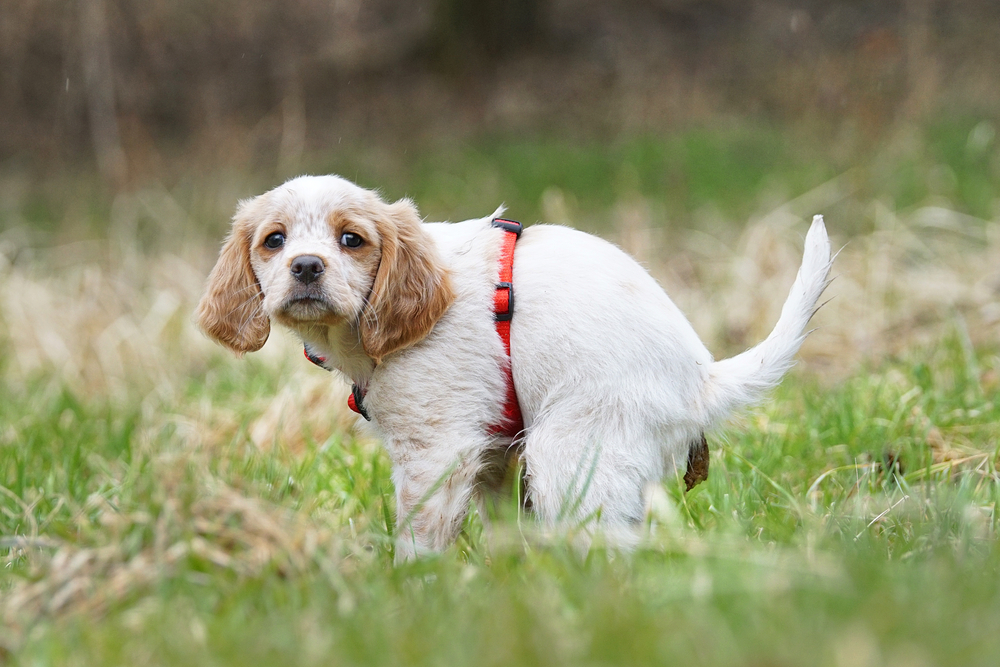
The sudden, watery diarrhea that has you scrubbing floors at midnight often traces back to giardia or coccidia, two of the most common intestinal parasites in dogs and cats, though only a fecal test can separate them from each other and from other causes of stomach upset. Both spread through contaminated stool, water, and soil, and they hit puppies and kittens hardest, sometimes turning a messy week into real dehydration. Giardia can occasionally pass to people, while the coccidia that infect pets stay in pets, so knowing which one you are dealing with also tells you how carefully your family needs to clean. The reassuring part is that both are treatable; the catch is that their cysts and eggs linger in the environment, so medication and disinfection need to move together or the infection circles right back.
Relentless diarrhea deserves a same-day answer, and same-day answers are what we built Peak Pet Urgent Care around: our Reno clinic runs fecal testing and bloodwork in-house, so most patients leave with a diagnosis and treatment already started before the day is out. We can start fluids and supportive care on the spot for a puppy or kitten who is losing fluid faster than they can drink it back, and when a little one needs overnight hospitalization, we coordinate the transfer to a 24-hour facility so no time is lost. If the mess is not slowing down, bring your pet in and we will find out what is causing it.
Two Gut Parasites, One Cleanup Plan
- Giardia and coccidia are common intestinal parasites in dogs and cats, picked up from contaminated stool, water, and soil, and puppies and kittens get the sickest.
- A fecal test is the only reliable way to tell the two apart and rule out other causes of diarrhea, from worms and dietary indiscretion to parvovirus, and it sometimes has to be repeated because both shed on and off.
- Giardia can occasionally pass to people, while the coccidia that infect pets stay in pets, so hand-washing and prompt cleanup keep your family safe.
- Both infections are treatable, but medication and thorough home disinfection have to happen together, or the parasites can circle right back.
When Should Your Pet’s Diarrhea Send You In the Same Day?
Diarrhea needs a same-day look when your pet is losing fluid faster than they can drink it back. In a puppy or kitten, that slide can happen within hours: a two-pound kitten carries very little reserve, so a day of runny stool a grown dog might shrug off can leave a little one wobbly and weak. Toy-breed puppies add one more danger, because a young pup who stops eating while losing fluid can run out of blood sugar and crash, sometimes within half a day.
That short timeline is why urgent care exists. Waiting three days for the next open slot at a booked-out clinic is fine for a skin tag; it isn’t fine for a twelve-week-old puppy who has had watery stool since yesterday. We’re the missing piece between your regular veterinarian and the emergency room, built for exactly the cases urgent care covers: sick enough that today matters, stable enough that a 24-hour ER isn’t necessary. Walk in, we triage, and the sickest patients are seen first. And if something feels urgent to you, it’s urgent to us.
Giardia and coccidia are two of the intestinal parasites most likely to turn a house-trained pet’s stool loose overnight. Come in without waiting if you notice:
- Watery or bloody stool that keeps up for more than a day or hits several times in a few hours.
- Signs of dehydration like sunken eyes, sticky or pale gums, and skin that’s slow to spring back into place.
- Vomiting or a refusal to eat or drink, which speeds fluid loss along.
- Weakness, wobbliness, or a tight, painful belly, which needs to be seen right away.
These symptoms in a young pet, especially one who isn’t fully vaccinated, mean move quickly. Little ones deteriorate quickly.
What Exactly Is Giardia, and How Did Your Pet Pick It Up?
Giardia infection takes hold when a pet swallows microscopic cysts shed in another animal’s stool, often from contaminated water, damp soil, or shared yards, and the parasite then latches onto the intestinal wall and disrupts how food is absorbed. That damage is what turns into the soft, greasy stool giardia is known for.
Giardia shows up most often in puppies, kittens, and animals living in kennels, shelters, or busy multi-pet households, where cysts pass easily from one animal to the next. It doesn’t take much exposure, either. A dog who drinks from a puddle on a walk, a kitten who grooms contaminated paws, or a pet who shares a water bowl at daycare can take in enough to get infected.
If your pet’s loose stool is dragging on and you’re not sure what’s behind it, a walk-in urgent evaluation lets us look at a stool sample and start sorting out what’s going on.
What Are Coccidia, and Why Do They Hit Puppies and Kittens Hardest?
Coccidia are single-celled organisms that burrow into the cells lining the intestine, and the damage hits puppies and kittens hardest because their immune systems are still developing. Stress from weaning, rehoming, boarding, crowding, or a bout of another illness can tip a quiet carrier into active illness, which is why so many cases surface right after a big change. Plenty of adult dogs and cats carry a few of these organisms without ever looking sick.
The infection spreads much the way giardia does: a pet swallows oocysts passed in stool, and those cells multiply in the gut lining before shedding back out. A litter of nursing puppies sharing one whelping box, or kittens just moved to a new home, can hand the parasite around fast.
How Do We Figure Out Which Parasite Is Behind the Mess?
You can’t tell giardia from coccidia by looking at the stool alone, since both cause similar loose, sometimes bloody diarrhea. A fecal test under the microscope, often paired with a quick antigen test, is what names the culprit and rules out other causes, from a recent diet change to parvo.
The hallmark sign is diarrhea that may look soft and greasy, watery, or streaked with mucus or blood, sometimes coming and going for weeks rather than resolving on its own. Alongside the stool changes, you might notice gas, a gurgly belly, weight loss, or a dull coat, especially in a young pet who isn’t pulling nutrients from food the way they should.
Because both parasites shed intermittently, fecal testing sometimes has to be repeated before a diagnosis is confirmed, which is also how those quiet carriers get caught. Since we can run and read a sample here, one visit is usually enough to get results, talk through what they mean, and map out a plan.
| Feature | Giardia | Coccidia |
| What it is | A microscopic protozoan parasite | A single-celled protozoan parasite |
| Spreads through | Cysts in stool, water, and damp soil | Oocysts in stool and contaminated ground |
| Hits hardest | Puppies, kittens, crowded settings | Puppies, kittens, recently stressed pets |
| Can people catch it? | Occasionally, with poor hygiene | No, the pet species stay in pets |
| Typical stool | Soft, greasy, sometimes pale | Watery, sometimes bloody or mucousy |
What If It’s Not Giardia or Coccidia at All?
A clean fecal test doesn’t end the investigation, because plenty of other problems produce the same mess, and a few of them are far more dangerous than either parasite. Sorting them out quickly is much of what an urgent care visit is for, since the workup that finds parasites also screens for their imposters.
The one we take most seriously is parvovirus. In an unvaccinated or partially vaccinated puppy, sudden foul, often bloody diarrhea with vomiting and profound lethargy is parvo until proven otherwise, and it’s a disease measured in hours, not days. A puppy who fits that picture gets tested and triaged ahead of the line, and because parvo patients need intensive round-the-clock care, we stabilize and coordinate an immediate transfer to a 24-hour facility when the test comes back positive.
The rest of the list ranges from mundane to surgical:
- Intestinal worms: Roundworms and hookworms cause diarrhea too, and hookworms feed on blood, which can tip a small puppy or kitten into anemia. The same fecal test that finds protozoa finds their eggs.
- Dietary indiscretion: The trash raid, the rich table scrap, or an abrupt food switch is one of the most common causes of sudden diarrhea, and usually the most forgiving.
- Stress colitis: Rehoming, boarding, or a chaotic week can produce mucus-coated stool with streaks of fresh blood, alarming to see and typically quick to settle.
- Toxins: Certain plants, human medications, and chemicals irritate the gut before they do anything else, so tell us about anything your pet might have gotten into.
- A partial obstruction: A swallowed toy or sock that blocks some of the tract but not all of it can cause on-and-off diarrhea and vomiting for days. Our in-house X-ray and ultrasound find it, and foreign body retrieval is done either through endoscope or through an abdominal exploratory surgery.
When diarrhea turns out to be chronic rather than sudden, a food sensitivity or inflammatory bowel condition may be underneath, and that longer investigation belongs with your family veterinarian. We send a discharge summary from every visit so they can pick up exactly where we left off.
Can Your Family Catch Giardia From Your Pet?
Giardia is the one to know about here: it’s one of several zoonotic parasites that can occasionally pass from pets to people. The coccidia that infect dogs and cats stay strictly in animals and pose no risk to humans.
The everyday risk of sharing an infection stays low with basic hygiene, though young children, older adults, and anyone with a weakened immune system are the most vulnerable at home. In practice, that means washing up after handling stool or litter, keeping young kids away from cleanup, and bathing a pet who has had messy accidents.
Our veterinarians are glad to walk your family through the specifics, especially when someone at home is pregnant, very young, or managing a health condition.
How Are Giardia and Coccidia Actually Treated?
Both infections are cleared with prescription anti-parasitic medication, usually given over several days to a couple of weeks. The specific drug differs for each parasite, and finishing the entire course matters even once the stool looks normal again.
For giardia, we often reach for fenbendazole, metronidazole, or a combination, with regular bathing so cysts clinging to the coat don’t let your pet reinfect themselves by grooming. Coccidia usually responds to a sulfa-based medication or a related drug that halts the parasite from multiplying while the gut lining heals.
Supportive care runs alongside the medicine to keep a sick patient comfortable: a bland, easy-to-digest diet, plenty of fresh water, and fluids given under the skin or into a vein during the visit when dehydration has set in. Stool should start to firm up within a couple of days of treatment. If you aren’t seeing improvement within 48 hours, or symptoms are getting worse, reach out to us or your regular vet.
Because these parasites can hang on, a recheck fecal test a week or two after treatment confirms the infection is truly gone and not just quiet. That recheck usually happens with your family veterinarian, and the discharge summary we send after your visit means they’ll know exactly what was found and treated. Some pets need a second round, and that’s normal, not a sign that anything went wrong.
How Do You Clean Your Home So the Infection Doesn’t Come Back?
Reinfection almost always traces back to the environment, so cleanup has to run right alongside medication. Giardia rinses off surfaces and coats fairly easily with soap, hot water, and thorough drying. Coccidia oocysts shrug off many household cleaners, so environmental decontamination leans on physical removal and heat rather than on any one product.
A handful of targeted habits break the cycle:
| Area | What to do |
| Yard and potty spots | Pick up stool at least daily; sunlight and drying help kill cysts |
| Hard floors and crates | Clear off debris, then use steam or a disinfectant left on for its full contact time |
| Bedding, towels, and toys | Wash in hot water and dry on high heat; discard anything that can’t be cleaned |
| Litter boxes | Scoop often, scrub down, and dry fully between uses |
| Your pet | Bathe throughout treatment to rinse cysts off the coat |
These cysts and oocysts can survive in soil and shady, damp corners for weeks to months, so a yard left uncleaned keeps handing the infection right back to your pet.
What About Your Other Pets, and How Do You Stop the Next Round?
In a multi-pet home, plan to screen every animal rather than only the one with symptoms. Treating and cleaning at the same time, and quarantining new arrivals until a fecal test comes back clean, are what keep the cycle from repeating.
It’s common for one dog to have loose stool while a housemate looks perfectly healthy yet is still shedding cysts. We tend to treat the household together and line up the timing so no pet is passing the parasite around while another is finishing up. In homes with cats, keeping litter boxes well away from food and water cuts down on how much gets shared.
Preventing the next round comes down to a few steady habits: fresh water instead of puddles, quick stool pickup, and a fecal check built into regular checkups so a new infection is caught early. Because stress and thin nutrition weaken the gut’s defenses, a calm routine and good food help too, especially for growing puppies and kittens.
Frequently Asked Questions About Giardia and Coccidia
Will an over-the-counter dewormer clear giardia or coccidia?
Most pet-store dewormers target roundworms, hookworms, and tapeworms, not giardia or coccidia, so they won’t clear either one. Both need a prescription matched to the specific parasite, and guessing wrong just burns time while your pet keeps losing fluid. A quick fecal test tells us exactly what we’re dealing with, so testing before treating saves you money and spares your pet a longer illness.
My pet finished treatment, but the diarrhea is back. What happened?
A relapse usually points to one of three things: the parasite wasn’t fully cleared and needs a second course, your pet picked it up again from a contaminated yard or bedding, or a housemate is still shedding. Once in a while it signals a separate problem altogether. A recheck fecal test sorts out which, so the next step is a real fix rather than a repeat of the same one.
How long is my pet contagious to other animals?
A pet can shed cysts or oocysts for as long as the infection is active, and often a little while after the visible signs fade. During treatment, keep potty and litter areas clean, wash your hands between pets, and hold off on dog-park trips until the stool is back to normal and a recheck comes back clear.
Clearing the Infection and Keeping It Gone
Most dogs and cats shake off giardia and coccidia completely with the right medication, a thorough home cleanup, and a recheck to confirm the parasite is truly gone. Skip any one of those three and the infection has a way of coming back. When the diarrhea won’t quit, or a young puppy or kitten is losing ground fast, plan a visit to Peak Pet Urgent Care in Reno and we’ll test, treat, and get your pet back to feeling like themselves.



Leave A Comment