

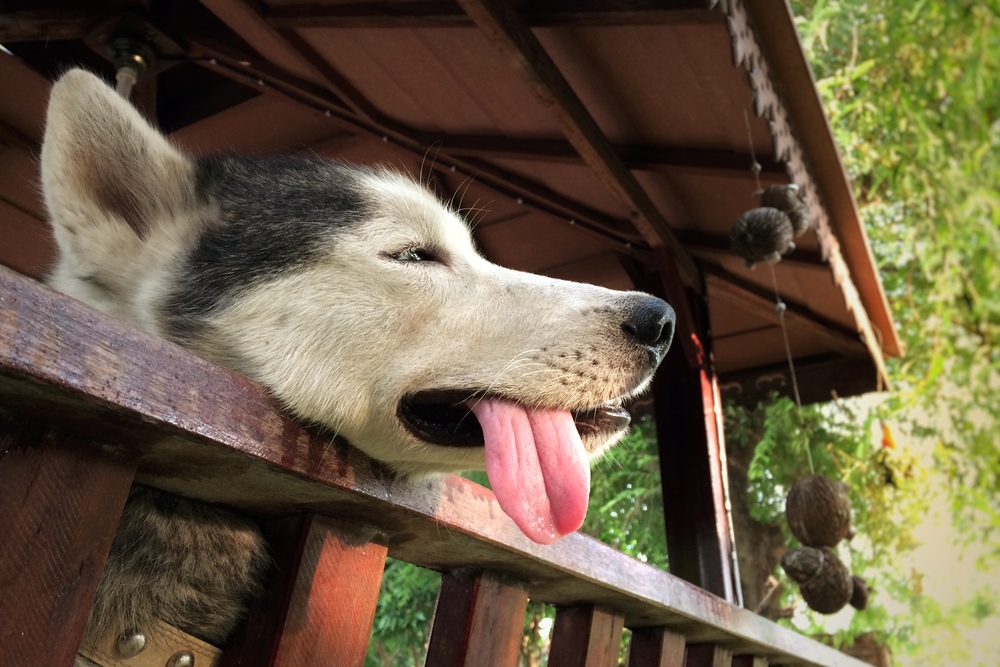
Telling whether your pet is just warm or actually in heat stroke comes down to whether their body can still cool itself. A dog who settles in the shade and stops panting heavily within ten minutes, or a cat who finds a tile floor and relaxes, is regulating fine. A pet whose breathing turns frantic, whose gums shift bright red or purplish, who drools thick ropey saliva, wobbles, or vomits has crossed into heat stroke and needs active cooling and a vet exam right away. Waiting it out is the mistake that could cost their life, because once kidneys, liver, or clotting systems start failing, rest alone will not reverse the damage.
Peak Pet Urgent Care in Reno is here for urgent care when your dog or cat has overheated and needs rapid attention. We have in-house bloodwork, imaging, and IV support to evaluate a dog or cat after a heat episode, cool them appropriately, check kidney and liver values, and admit them for monitoring when the picture warrants it. If you’re worried that your dog or cat has tipped from “hot but healthy” to “heatstroke”, call us or come in.
Five Things Worth Remembering
- Heat stroke is a true emergency where a pet’s body can no longer shed heat, and it can begin damaging organs within minutes even after you get them cool.
- Frantic panting, thick drool, bright red or bluish gums, wobbling, vomiting, or collapse mean you should start cooling with cool tap water and airflow, never ice, and call a vet on the way.
- A pet who perks up after cooling is not automatically safe, because kidney, liver, heart, and clotting problems can surface over the next one to three days and need monitoring to catch.
- Almost every heat emergency is preventable with timing, shade, fresh water, and the hard rule that a pet never waits in a parked car.
Which Signs Mean a Break, and Which Mean the Vet Now?
Heat stroke shows up as a ladder of warning signs, and where your pet sits on that ladder tells you how fast to move. Heavy panting, restlessness, and thick drooling come first. Bright red or bluish gums, vomiting, wobbliness, and collapse mean the situation has turned critical and needs a vet now.
Knowing the early signs of heatstroke in pets buys you the minutes that matter most. Cats hide it better than dogs, so an outdoor cat panting with an open mouth, drooling, or lying flat and unresponsive is already in trouble.
Here is the rough progression, from a pet who needs a break to a pet who needs a vet now:
| Stage | What you may notice | What to do |
| Early / mild | Heavier panting than usual, restlessness, seeking cool spots, tacky gums, more drool than normal | Move to shade or AC, offer small sips of water, watch closely for 10 to 15 minutes |
| Moderate | Frantic panting, thick ropey drool, bright red gums, glassy eyes, reluctance to move | Start active cooling, call a veterinarian right away, and plan to head in soon |
| Severe | Bluish or pale gums, vomiting or diarrhea, wobbling, disorientation, weakness, collapse, seizures | This is an emergency; cool on the way and get to an ER vet immediately |
Gum color is one of the most useful things you can check at home. Healthy gums are bubblegum pink. Bright brick red means the body is dumping heat as fast as it can, and blue, gray, or pale means oxygen is not getting where it needs to go. Any of those, paired with the heat signs above, means do not wait.
What Should I Do First if I Think My Pet Has Heat Stroke?
The first move is to get your pet cooling and get a vet on the phone, in that order and at the same time if someone can help. Start with cooling using cool tap water and airflow over the paws, belly, and armpits, not ice water that clamps blood vessels shut and traps heat inside.
Here is a calm, doable sequence while you head for care:
- Get them out of the heat: Move to shade, an air-conditioned room, or the coolest spot you can reach.
- Wet the right places: Run cool or tepid tap water over the paws, belly, armpits, and groin, where blood vessels sit close to the surface.
- Move air: Point a fan at the wet fur, or crank the AC in the car. Evaporation is what pulls heat off.
- Offer small sips: Let an alert pet drink a little cool water on their own. Never force it, and skip it entirely if they are woozy or vomiting.
- Skip the ice and the wet-towel wrap: No ice baths, no ice packs, and do not drape soaking towels over the body and leave them, which traps heat rather than releasing it.
- Do not overcool: Once your pet is acting more normal, stop actively cooling so you do not swing them into hypothermia.
Call ahead so we know you are coming. At Peak Pet Urgent Care your pet is triaged the moment you arrive, and the sickest patients are seen first. If a heat episode happens while we are open and your pet is not yet in full crisis, you can walk in during our open hours without an appointment. A pet who is unconscious, seizing, or collapsed needs a 24-hour emergency hospital instead.
What Happens Once the Vet Team Takes Over?
Heat stroke treatment works on three fronts at once. Once a pet reaches us, three-tiered heatstroke treatment runs controlled cooling to a safe range, intravenous fluids to refill the circulatory system and support the kidneys, and close management of the organ complications that can turn deadly in the first 24 hours.
The heat is only the opening act, and the organ damage is what follows. That management includes bloodwork on kidney and liver values and monitoring for abnormal clotting.
This is squarely the kind of case our team handles. We provide urgent care for dogs and cats who are sick or hurting but not in the middle of a life-threatening crisis, with in-house bloodwork, imaging, and IV support on site. When a pet needs round-the-clock critical care beyond our open hours, we stabilize and coordinate transfer to a 24-hour facility so nothing is lost in the handoff. The risk of death is highest in those first 24 hours, which is why a heat episode is worth taking seriously even when your pet seems to be bouncing back.
My Pet Seemed Fine After Cooling. Are We in the Clear?
Not necessarily, and this is the part that catches families off guard. A pet who perks up after cooling is not out of danger, because delayed organ complications after a heat event can strike the kidneys, liver, heart, and gut over the following 24 to 72 hours. The heat sets off a chain of inflammation that keeps unfolding long after the temperature reads normal.
A handful of delayed problems are the reason we push for monitoring even when a pet looks recovered:
- Kidney injury: Reduced blood flow and heat damage can leave the kidneys struggling to filter, sometimes days later.
- Liver and heart strain: Both organs can take a hit from the heat and the drop in blood pressure.
- Gastrointestinal damage: The gut lining is fragile in the heat, which can lead to bloody diarrhea and open the door to infection.
- Systemic inflammation (SIRS): A body-wide inflammatory response that can spiral into shock.
- Clotting problems: One of the most feared is disseminated intravascular coagulation, a breakdown in normal clotting that can cause internal bleeding hours after a pet looks recovered.
This is why we may recommend keeping your pet with us for observation and running follow-up bloodwork rather than sending them straight home. Our in-house diagnostics and hospitalization let us watch trends in kidney and liver values and catch a downturn while it is still fixable. A quiet afternoon of monitoring is a small price against a complication that shows up at midnight.
Which Pets Are Most Likely to Overheat in the Heat?
Flat-faced breeds, thick or dark-coated pets, the very young and very old, overweight pets, and those with heart or airway problems all overheat fastest. Every pet runs behind because they cannot sweat their way to cool, relying almost entirely on panting, with only a little cooling through the sweat glands in their paw pads.
Panting works by moving air across the wet surfaces of the mouth and throat so moisture can evaporate and carry heat away. On a hot, muggy afternoon, or in a pet whose airway or heart is already working hard, that system falls behind fast and the body’s cooling machinery starts to fail all at once. Some pets start the race with a real disadvantage. A few things stack the deck:
- Flat-faced breeds: Bulldogs, pugs, boxers, Persians, and Himalayans simply cannot move enough air across their shortened airways to shed heat, and brachycephalic thermoregulation gets even harder with extra weight.
- Thick or dark coats: A heavy double coat traps heat against the body, and dark fur soaks up more sun.
- Age extremes: Puppies and kittens have immature temperature control, and senior pets often have less reserve to cope.
- Body condition: Extra weight is insulation the body did not ask for, and it makes every organ work harder in the heat.
- Underlying health: Heart disease, laryngeal problems, and airway conditions all shrink the margin for error.
The takeaway is to plan for the pet in front of you. A young husky and an elderly pug do not get the same summer routine, and the flat-faced crowd needs the most conservative plan of all.
Can Hot Pavement Burn My Dog or Cat’s Paws?
Yes, and it happens faster than most families expect. If you can’t hold your hand on the pavement for more than seven seconds, it’s too hot for your pet. Asphalt, concrete, sand, and metal truck beds can climb well above air temperature in direct sun, hot enough to blister a paw pad in under a minute. A burn shows up as limping, licking or chewing at the feet, red or darkened pads, blisters, or refusing to keep walking.
If you suspect a burn, get your pet off the hot surface and onto grass or into the car, then run cool (not ice-cold) water over the paws and gently pat them dry. Keep your pet from licking the pads, since that slows healing and invites infection. A mild scuff may settle with rest, but raw, blistered, or peeling pads are worth having us look at, because deeper burns are painful and prone to infection.
The easier path is protecting those pads before they get hurt. Most of keeping paws safe in summer comes down to the same pavement check, sticking to grass and shaded trails, walking at dawn or dusk, and considering booties for pets who will tolerate them. In Reno’s dry summer heat, midday sidewalks and trailheads get hot enough to matter, so it is worth planning the day around.
When Is It Safe to Walk and Play Outside?
The coolest hours of the day are the only safe window for real activity when temperatures climb, and even then you dial the effort back. Most of preventing heatstroke on hot days is timing and restraint: walk at dawn or dusk, dial back the intensity as the thermometer climbs, and cut play short the moment panting turns frantic.
Why Is a Parked Car So Dangerous, Even for a Few Minutes?
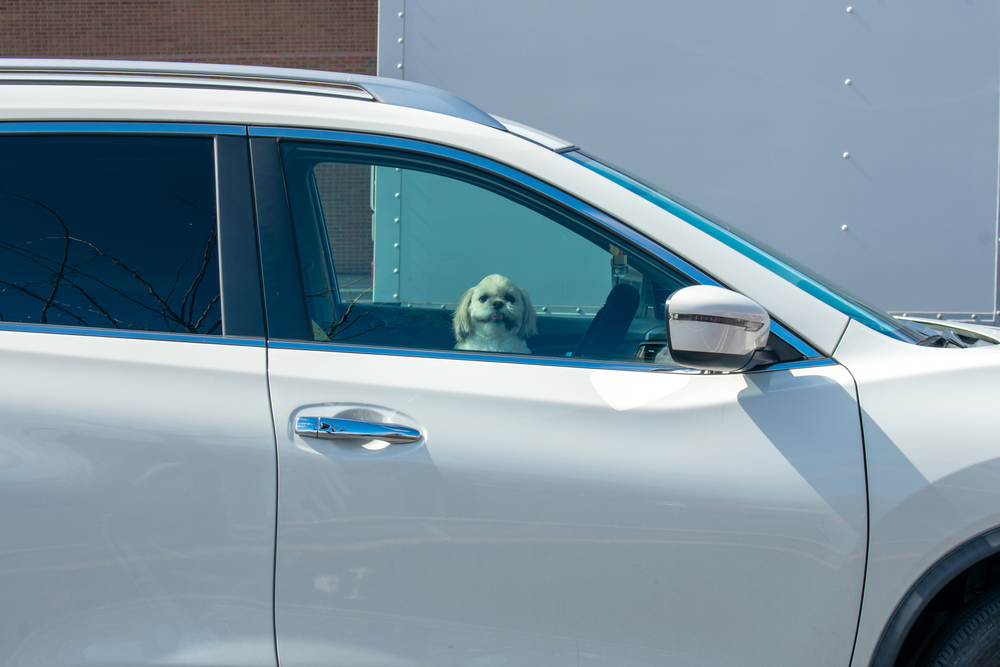
A parked car turns into an oven far faster than most people expect, which is why the rule is simple: never leave a pet in one, not even for a quick errand. A parked car can hit 120 degrees within 20 minutes on an 85 degree day; hot vehicles take pets’ lives every summer, and cracking the windows barely slows the climb. Reno summers make this a real hazard, and Nevada, like many states, has taken notice of animals left in hot cars, so the safest choice is always to leave your pet home. If your pet was shut in a hot car and is showing any heat signs, call us right away for triage guidance while you get them cooling.
Heat Stroke: Questions We Hear at Urgent Care
What temperature is too hot to walk my dog?
There is no single magic number, because humidity, sun, pavement, and your dog’s breed and fitness all shift the answer. As a rough guide, use extra caution above the mid-80s Fahrenheit, and treat anything in the 90s as a stay-home-until-it-cools day for most dogs. Flat-faced breeds, seniors, and heavy-coated dogs need a lower threshold. Always do the pavement check with the back of your hand before you head out.
Can cats really get heat stroke, or is it mainly a dog problem?
Cats absolutely get heat stroke. They regulate heat the same limited way dogs do, through panting and their paw pads, and open-mouth panting in a cat is a genuine red flag rather than a quirk. Cats are just better at hiding distress, so signs often get spotted later, when the situation is already serious. Outdoor cats and flat-faced breeds like Persians are at higher risk, so cool retreats and fresh water matter for them too.
How long does it take a pet to recover from heat stroke?
It depends entirely on how hot they got and how long they stayed that way. A mild episode caught early may resolve within a day with cooling and rest. A serious case can mean several days of hospitalization and monitoring, and the delayed organ complications can unfold over 24 to 72 hours even when a pet looks better. Because of that lag, follow-up bloodwork and a quiet recovery are worth it even after a pet seems back to normal.
A Fun Summer Comes Down to Getting Ahead of the Heat
Heat stroke is a real emergency, and the pets who come through it best are the ones whose families acted early, cooled correctly, and got a vet involved instead of waiting. Prevention carries most of the weight: shade, water, cool floors, smart timing on walks, and the non-negotiable rule about parked cars.
Those habits keep the vast majority of heat emergencies from ever happening. Learn your pet’s early panting, adjust the day around the heat, and summer stays the fun season it should be.
If a heat episode has you worried, you can bring them in for urgent veterinary care in Reno during our open hours or you can reach our team with any questions.



Leave A Comment